






The Big Interview: Coutts
Premier League clubs will have spent far more time than in previous years looking at the closure of the Chinese transfer window later today. This comes in the wake of a tumultuous January transfer window that saw players going on strike, heads turned by new markets and Premier League clubs record a transfer window profit for the first time.
With that in mind, sportindustry.biz spoke to two experts at the leading private bank and wealth manager, Coutts, to see what this all means for players arriving to ply their trade in England’s top tier.
Matt Wotton, Executive Director of Coutts Sports & Entertainment business, leads a team of Private Bankers specialising in the sports and entertainment industry, looking after clients including players and talent, as well as high net-worth individuals around the industry such as agents, team managers and owners.
Matt Bicknell, a Director in the team, manages client relationships day-to-day, and leads the football practice.
What involvement does Coutts have in the sport industry?
Wotton: “We work with some of the most talented names in sport. We understand that the demands facing sports’ professionals can leave little time for financial management, and that their needs will often increase in complexity as their careers progress. Highly connected within the sporting world, we work as part of our clients’ trusted advice teams – closely collaborating with agents, professional advisers and family for exceptional solutions that meet our clients exacting requirements.
It’s essential to have the understanding and empathy with any possible situation our clients may encounter, which is why it’s so important to stay connected at the heart of the industry
Do you work with players in all leagues?
Bicknell: “We predominantly work with players from the Premier League and the Championship. We also have an emerging talent proposition for younger players that have the potential to earn significant figures in the future. I’d say the majority of our time is focussed on the top tiers of English football though, and we also help players who are coming in from abroad.”
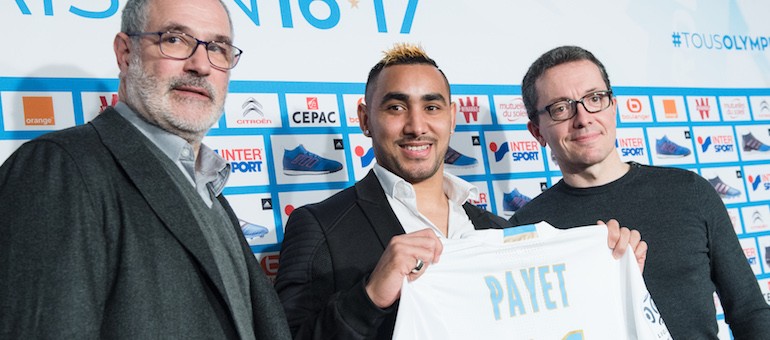
Dimitri Payet handed in shock a transfer request at West Ham United and returned to former club Marseille in the January transfer window.
So what’s the first step in terms of helping a new player settle in the country?
Bicknell: “We support players through every stage of their career. The first port of call is to meet with them and introduce the sports team, as well as understand what their needs and requirements are from the outset. If the player is from overseas, we will firstly open a bank account for them so they can start to settle themselves in the UK and feel more at home. Once they’re set up with our online banking, Concierge service and a support network, we’ll then get into the bigger decisions they’ll make while playing – that could be potential investments or mortgage needs – as well as advice on how to best utilise their money in order to safeguard their future once they’ve retired from the game.”
How do you work with the clubs and agents, and how do you work together to ensure these transitions take place responsibly and efficiently?
Wotton: “We’re very mindful of the different relationships that a player will have and we’ve established some excellent relationships with Player Liaison Officers at clubs who are very often involved with setting the new player up with everything they may need – particularly players that have arrived from overseas. Of course agents can be very influential in this as well, so we’ve made it our business to get to know and build dialogue and trust with many agencies across the country. There’s also new agents coming through all the time, so we want to ensure that they understand what Coutts has to offer and believe we are the best place for their players to build their financial relationship with.”
What other sports do you work in, away from football?
Bicknell: “Football is certainly the biggest business we’re in across our sports team, simply because of the vast number of high-earning individuals within it. That said, we are active in a number of other sports such as boxing, Formula One, golf, rugby and tennis, although not all of them have quite so complicated transfer windows to deal with! We have connections across all of the sports we look after, but certainly the majority comes from the world of football.”

Pogba made a big money move from Serie A side Juventus to José Mourinho’s Manchester United in the summer transfer window.
Speaking of transfer windows, we recently come through the January window, did you notice any patterns emerging within the market this year?
The January transfer window had a very high proportion of loan deals as opposed to permanent sales this year. That’s most likely a case of clubs retaining rights over players and ultimately delaying any real decision on their future. We’ve seen plenty of examples down the years of players stepping up, developing and improving thanks to time on the pitch or in a different set-up at other clubs, and when that is the case the parent club will retain that ownership and bring them back into the fold. But that system does see players move around the country and beyond to other clubs far more often, as deals become more temporary.
Another interesting feature this season has been the demise of Leicester City from Premier League champions to a relegation battle, which led to the recent dismissal of manager Claudio Ranieri. While they’ve spent a fair amount of money, losing an influential player like Kante really shows how the balance and dynamic of a team is so important, yet remains so fragile. Many players need time to adjust to a playing pattern or system, which can make multiple January transfers unsettling.”
Bicknell: “Yes and I think that’s why we see a lot of the top clubs staying out of the January transfer window if they can avoid it. They would ideally want to get their business done in the summer – Kante to Chelsea being an example of that – but sometimes the struggling teams need an injection of new blood to try and spark a run of form”
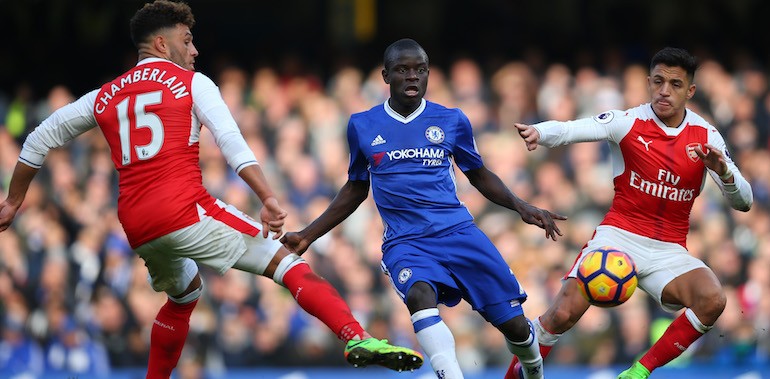
Kante made the switch from 2015/16 Premier League Champions Leicester City, to this season’s title contenders Chelsea FC.
Another constant throughout the January transfer window was China. Do you see the league as a threat to English football and the Premier League?
Bicknell: “Well we certainly can’t be complacent but ultimately most of the transfers have been players heading towards the end of their careers, making the most of the money on offer. There are exceptions of course, such as Oscar and Pato, but for players such as Carlos Tevez and Graziano Pelle [32 and 31, respectively] a couple of seasons in the twilight of their career will earn them a significant sum of money.
We’ve heard a lot of talk coming out of China, and even more money, but for now at least the Premier League has history and prestige on its side, which is incomparable. That’s not to say China won’t catch up in time, but I don’t see it as a major threat at the moment.”
Wotton: “China are clearly investing a lot of money in football and there will be some players who this appeals to. It’s already caused some ripples with some very high-profile players, not least with Diego Costa, and there may well be a threat in years to come for the Premier League and the other major European leagues. There’s also the lifestyle and cultural differences to factor in, as well as language barriers and education systems, particularly if they already have a young family, not to mention the idea of uprooting them in the first place. And of course, top-flight players will always be very well remunerated wherever they play.”