



The Big Interview: Csm Sport & Entertainment – The Industry
In part two of a two-part interview, CSM Sport & Entertainment’s Group CEO Matt Vandrau and North American chairman Harlan Stone speak to Sport Industry Group about the agency’s key markets, areas of growth, cause-related marketing, selling clients rights and creating a bespoke IP…
There is an increasing trend of freelancers and communities of freelancers trying to compete with the traditional agency model by offering lower rates and claiming to resource themselves according to need not availability of existing staff. Do you see that as a threat?
MV: It’s an interesting question. First and foremost our whole industry is relationship driven so if you have a client and you are doing a terrific job for them and that relationship is strong, then I don’t think a freelancer coming in offering them a slight discount on what they pay is going to lure them away.
HS: The great thing and also the challenging thing about our business is that it is relationship driven. So if you are a client and ‘John Smith’ is your guy, whether ‘John Smith’ is at CSM, a sole proprietor or part of Interpublic Group you’re going to try and do business with ‘John Smith’. What we hope to do and have done is assemble talent that like being in a collaborative environment under one roof and don’t have to spend the time to pull together all the services and figure out how they are going to then service the client.
I’ve been with four start-up agencies in my past and at that scale, like as a freelancer, you spend a lot of your time figuring out how you are going to get stuff done instead of having the toolkit available to just get it done.
Also, the same people that are going out on their own now, you may well see that if they keep up the good work many of them will be realigned with agencies two years from now and a new group will be formed.
MV: Also, we’re not anti-freelancers, we use them a lot. Certainly in our iLUKA business and CSM Live business. For example if there is an Olympics on we staff up with freelancers so that we can deliver what we need to. We like freelancers, if we have a gap and we know someone in the marketplace and we need them to come and help then we bring them on board.
You have 25 offices worldwide but where do you see the major opportunities for growth?
MV: Head office is here and we have always been very strong in the UK and Western Europe with good offices in Paris, Madrid and more. Four years ago we had nothing in North America, now we are 300 strong and that’s a huge opportunity for us.
HS: New York is the focal point, LeadDog is based there and we have put our Brands team there. We have a large office in Indianapolis; our Properties team is split between Connecticut and New York.
Who are the main clients in the US market?
HS: From a Brands perspective we have Audi, Hisense, Subway, Farmers and a fair amount of blue chip clients. From a Properties perspective we have the Ryder Cup, US Open Tennis, Little League Baseball, Cirque du Soleil from a non-sport perspective, also Westfield Malls. It’s a pretty wide variety. On the Live side we work for the Avon Walk, lots of cause-related marketing, NFL Players Association – it’s a long list.
Although increasing rapidly here, cause-related marketing seems to still be better understood in the US market. Do you agree?
HS: I would. And credit to LeadDog, long before we bought them, cause-related marketing has been a core pillar of theirs for ten plus years. Brands recognise the need to connect closer with consumers and in many ways they are able to step in where governments fail and frankly also where some not-for-profits fail.
Brands are so effective at reaching consumers so in some ways they have become the most effective at reaching consumers with a cause message. I don’t think brands get another credit for actually caring. Marketing folks within those companies, given the choice, would actually prefer to make conditions better. It’s not all about just needing to sell more soap or whatever it is, if they can do that and contribute to a recognised cause in a good way then that’s what they want to do.
In today’s market are you finding it harder to keep your clients on retainers and therefore having to do a lot more project work now?
MV: We are very fortunate that we have had some really good long-term clients who are on retainers with us and are very comfortable with that relationship such as HSBC, Jaguar Land Rover and Old Mutual. Increasingly we are seeing more clients move to more of a project base, certainly Unilever where they start with a zero budget policy at the beginning of the year and its more project led.
However, I also see that as an opportunity as well. Interestingly when people are working in that project environment, if you come up with something unique or innovative they are more inclined to make that happen. If you manage that process properly you can actually get some decent increase in scopes of work.
How much are you trying to develop your own IP and properties, for instance if you look at WME-IMG with the McGregor Mayweather fight?
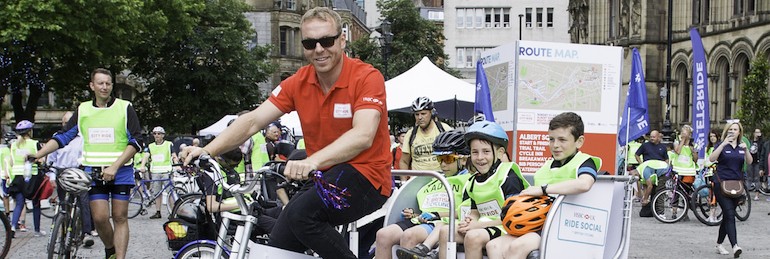
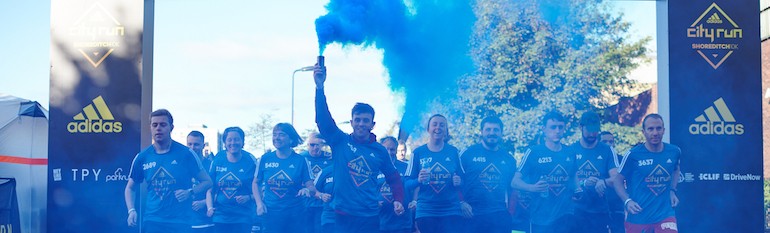
MV: From what I’ve seen it seems WME-IMG are absolutely heading down that route; it’s almost as if they aren’t that bothered about selling other people’s properties. I can understand that. However, we are a mixture with a lot of very good rights holders relationships and we’ll help those clients commercialise and bring sponsors on board. We also absolutely see the need to own and grow our own IP. We’ve started that a little bit in this marketplace, we have set up the CSM Active business and they have two run series events with more next year which Adidas have come on board to support – the Adidas City Run. We had Velo Birmingham this year which was an interesting challenge with the sort of negotiations they had to go through with city councils and the like. For a first year event they limited it to 15,000 riders and that sold out very quickly so it’s a big upward curve. We would love to grow the Velo series with three or four around the country.
Is all the development of your own properties within mass participation?
MV: For the most part but it came up again when we had our recent offsite management meeting that we should keep looking for that unique idea which we can develop and grow.
HS: Here’s a fearless prediction, across the industry I think you will see more co-ownership of properties with clients. When we are doing strategic work for brands, if the right idea doesn’t already exist, we have the toolkit and ability to create an event and we are open to different ownership structures.
Brands will begin to look more at what Red Bull does or Volvo with the Ocean Series and ask whether they want to invest all this money as sponsors without having any ownership. Big, strong existing properties won’t sell off to sponsors but new properties might and we can help them with that.
MV: I’d add a third dimension to that when you look at media rights. How much more can Sky pay for Premier League rights? Sky created TinStar and their own IP from a movie perspective; what is going to stop those guys from backing a great new idea because they need content.
HS: In the US NBC Sports now owns eight to ten of its own properties because they didn’t want to be in a business of always building a brand and then have the brand come back and say okay now we are opening up to the marketplace for media rights again.
MV: For our commercial business there is a frustration where you can become a victim of your own success. You can deliver fantastic commercial revenue into a rights holder and they have a change of management, see their long term revenues locked away and decide to build their own internal team to manage it. So after doing such a great job for them, then we can do ourselves out of a job. That’s why IP is attractive, it’s always yours.