





The Big Interview: Spartan Race
Joe De Sena, CEO and co-founder of the Spartan Race, talks to Sport Industry Group about the early struggles in an entrepreneurial start up, to evolving and adapting one of the biggest participation brands in the world…
How did the idea of Spartan Race first come about?
“Well, it’s effectively a 17 year old start-up and the idea really festered in my mind as I was doing races in the mid 90’s and I thought ‘you know what, I could put on an event that would be a lot cooler than these’.
And I was right, sort of. We put on really cool events…but I lost a ton of money and nobody was showing up!
So, in 2010, we opted to make it simple. A 3 mile distance, an 8 mile distance and a 13 miles distance. I’m sitting in a kitchen, I think we were eating veggies and rice, and the idea came to me to name it Spartan, and in turn that name combined to provide us with the theme and the style of racing. The rest is history I guess.
Since the launch, a number of big commercial partners have supported Spartan. What do you think makes the races so appealing to brands?
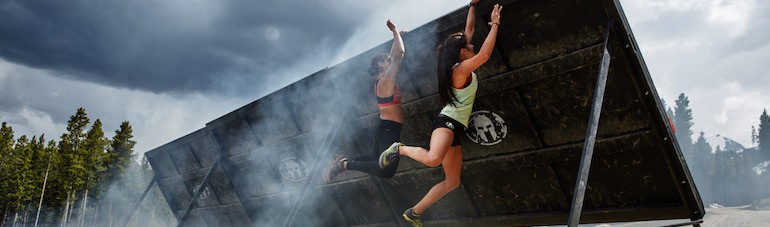
I think it’s just an easy way for a large brand to reach an enormous amount of people. We have one million people a day coming into our digital ecosystem, and another million racers per year, so if you are a brand and you want to not just reach a lot of people but also touch and engage with them, how do you not want to align with this brand? Not only that, you’re speaking to them while they’re going through one of the biggest struggles of their life and coming out the other side, healthier and more resilient.
It seems to be more than a branding exercise on your commercial roster. What to you look for with potential new partners?
I’ll be honest, there are a lot of partners we will not accept. The values have to line up. We are never going to line with a brand that does not fit with our values and focuses on healthy living. We are very particular with who we line with.
Where does Spartan position itself between making a race accessible for the masses and making a race more challenging?
That’s a very tough question. Of course we want to be accessible and we want everyone to be able to participate and change their lives for the better, but at the same time it’s got to be challenging, we have got to hold people accountable and push them to their limits. So that is the delicate balance. It’s a tough one.
I think there a lot of people who are afraid of this brand but that is also what makes it awesome!
Do you think people are afraid to do a Spartan?
I think they are!

So what would you say to someone who is afraid to do a Spartan?
Almost anything worth doing in life, people are afraid of. You only grow when you get out of your comfort zone and that is a good thing.
Spartan as a brand is expanding into wider active areas with nutrition and training outside of the event space, is this a conscious decision to move Spartan into a lifestyle rather than a one off event?
We definitely want to be a lifestyle brand. We want to touch people the world over and 100% want to be considered a lifestyle brand. We even want to touch those people who may never do a race but who maybe want to embark on a healthier nutrition plan or training plan. That’s okay by us!
Where do you see the future of OCR going?
The future of OCR is straight to the Olympic Games. This will be an Olympic sport. This will be a mainstream sport, and it will be all over the television. We already have a couple of television shows and growing rapidly.
When, realistically, do you see this in the Olympics?
Why not aim for 2024. We are already moving the needle along with pentathlon, where they have done their first exhibition event in incorporating obstacles into their event, and so this is on its way.
Here in London there’s a lot of city workers, a lot of men and women who are sitting down for 8 to 10 hours a day. How do you combat that?
You’ve got to get out! Wake up earlier in the morning and work out, work out at night. Eat healthier. The reality is to pay the bills you have to sit in the office most time and type on a computer. I hate it as much as everybody else, but I wouldn’t try and stop people doing that. But there’s changes anyone can make. Anything from a stand up desk, or – and who cares – every hour on the hour, ten burpees in the office in front of people. You might even drag some colleagues in to do it with you. Take the stairs instead of the elevators. Cut out all drinks except water. Maybe a green juice here and there. I think that would do it!