





From 2015 to Now: A Decade of Change in Sport with 54’s Group CEO
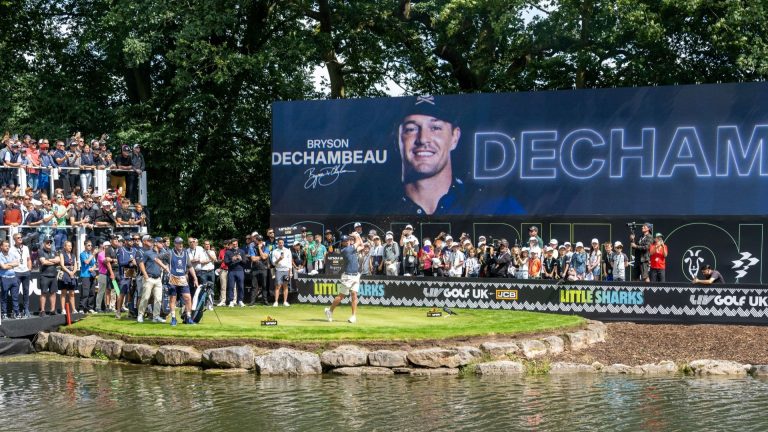
54 delivered strategic operational and marketing support to LIV Golf resulting in sell out crowds packing JCB Golf & Country Club at LIV Golf UK by JCB.
There must have been something in the water in 2015. It was the year a new generation of sports agencies emerged — agile, global-minded, and ready to challenge established norms. Among them was 54. A decade on, the agency has grown into a multifaceted owner/operator across sport, content, and technology. We sat down with the Group CEO, Jed Moore, to talk early days, the evolution of the industry, and what comes next for sport.

Let’s start in 2015. What do you remember about the moment 54 began?
It was a very open playing field. There was appetite for fresh thinking and a real sense of energy. We launched 54 not to follow a trend but to create something that felt more fit-for-purpose — more agile, more entrepreneurial. The name itself — referencing the perfect golf round — captured the mindset we had. Ambitious, maybe even idealistic, but grounded in the idea that sport could be reimagined.
Were you expecting the kind of transformation the industry has gone through since?
I wouldn’t say we predicted the specifics, but it was clear that change was coming. What we didn’t expect was how layered and simultaneous it would be — a kind of structural shift across capital, media, governance, and consumer behaviour. That’s what’s made the last decade so defining. We’ve moved from stability to something much more fluid.
What, in your view, has changed most about sport as a business?
Sport has always been irrational and emotional — that’s its magic. But in the last 30 years, it became financialised. It started to behave like an asset class. The challenge now is that the old assumptions — rising media rights, cheap capital, passive fans — don’t hold like they used to. The model is under pressure. The biggest shift is how sport is being asked to behave more like a modern consumer business, without losing its cultural roots.
How does that pressure show up day to day?
For a long time, sport could rely on broadcasters and sponsors to do the heavy lifting. Fans were someone else’s customer. Now, with younger audiences consuming differently, platforms fragmenting, and capital more cautious, there’s an urgency to rewire the whole approach. It’s not a crisis — but it is a reset.
Has 54 changed how it operates in response?
Definitely. We’ve evolved from a pure consultancy and rights advisory business into a group that invests, owns, and operates across the ecosystem. That’s been deliberate. The sports economy is increasingly interconnected — rights, content, technology, data — and we want to be present in the areas where value is now created.
That’s why we’ve invested into businesses like Creator Sports Network, which bridges sport with the creator economy — helping rights holders tap into audiences who follow creators more than teams. Or MOB, our award-winning content studio, which gives us the ability to tell sport’s stories in new formats, for new audiences.
And some of your other businesses reflect that same strategic thinking?
Yes. Reddoor Live is our events activation business — born out of the insight that in-person experience is still a critical differentiator, but it needs to feel modern, immersive, and digitally connected. Entourage is a white-label solution we developed to let rights holders, creators, or even federations build their own communities — to stop outsourcing engagement and start owning it.
VOXA is another business we’re proud of — a female-focused representation agency. The rise of women’s sport is one of the most exciting stories in the industry right now, but it needs new infrastructure — and VOXA helps athletes navigate that with real intent. And then there’s Behind the Volt, which works behind the scenes to enhance how sports present themselves — from stadium tech to hybrid fan experiences.
These aren’t isolated ventures. They’re each a response to where sport is heading — more personalised, more interactive, more fan-led.
Let’s talk about fans. How has the relationship with them changed?
Fundamentally. Attention is no longer guaranteed. Young people don’t consume live sport the way older generations did. They want storytelling, participation, interactivity. The highlights might matter more than the 90 minutes. That’s not a threat to sport — it’s an invitation to evolve. The job now is to meet fans where they are, and build value around that relationship.
So what’s the big opportunity in all of this?
Owning the fan relationship. For too long, sport has been a wholesaler of attention — selling access to others who then monetised it. The future belongs to those who treat fans like customers — with membership layers, data strategies, digital touchpoints, and direct communication. That’s how you build real lifetime value.
And what’s the biggest risk if sport doesn’t adapt?
Inertia. Waiting for media rights to rebound or fan behaviours to reverse. This isn’t a short-term dip — it’s a structural change. The organisations that will thrive are the ones that accept that and build for it now.
Do you think enough rights holders see that?
It’s mixed. Some are already making smart moves — investing in CRM, launching their own content platforms, segmenting their products. Others are understandably cautious. But the writing is on the wall: one-size-fits-all is over. Some sports will be premium, some local, some niche. You have to know what you are and build accordingly.
How has the investment climate shifted?
The capital is still there, but it’s more focused. Investors are asking tougher questions — about exit strategy, governance, audience monetisation. Speculative valuations based on brand potential alone don’t hold anymore. The upside is that it encourages better discipline. And for the right ideas, capital will still flow.
Lastly, if you were starting 54 today, what would you do differently?
I think we’d start from an even more product-led place. Not just advising or managing, but beginning earlier to build and own and interconnected portfolio of complementary entities. Sport has become part of the broader entertainment and tech economy — and that’s how we’d approach it from day one. But the philosophy wouldn’t change. Help sport evolve. Stay close to the fan. And never lose sight of the emotional power that makes sport so unique in the first place.
Subscribe to the Sport Industry Daily for regular updates on the biggest stories and latest news in the sport industry.