
If “talent Is Like Electricity”, Let’s Be More Switched On
For this year’s International Day of Persons with Disabilities (3rd December), Neil Callaghan reflects on the last year in sport.
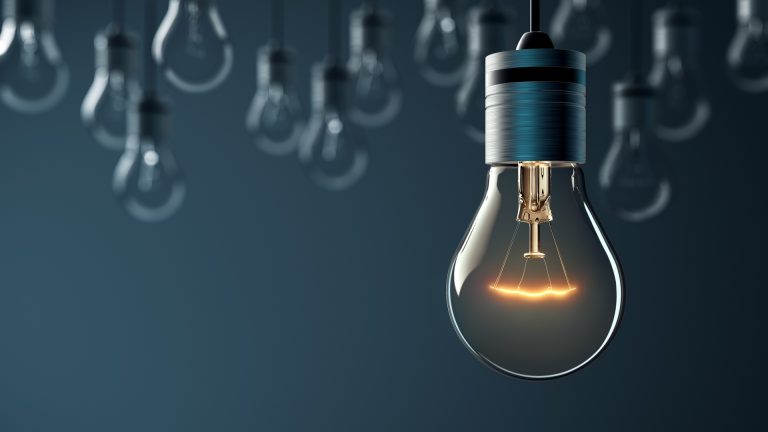
“Talent is like electricity. We don’t understand electricity. We use it.”
Maya Angelou
International Day of Persons with Disabilities (IDPD), first proclaimed by the United Nations in 1992, is a time to listen, learn, celebrate and advocate on matters relating to disability. Like any recognised EDI or purpose-led occasion in the calendar, it’s important that such focus is never limited to a designated day, week or month of the year alone.
Last year I wrote ‘In a year of firsts for disability in sport, the pace of change still needs to be increased’ and this remains true twelve months later. So, picking up on the ‘speed’ of progress and why it still feels too slow was an option.
But when reviewing the year, an inescapable and more positive theme of ‘talent’ stood out above all else. So valuable and important to any kind of success, and yet often insufficiently recognised or inadequately represented when it comes to disability. So here follows an ode to talent.
Soon after the last IDPD, an early Christmas present arrived for Welsh para-athlete Olivia Breen, when she was crowned BBC Cymru Wales Sports Personality of the Year 2022. Not in a separate ‘disability’ category, just the outright deserving winner. Bravo! Might this help encourage a less segmented approach, when it comes to the recognition of athletes in sport moving forward, whether disabled or non-disabled? We’ll see.
Early in the new year Dan Cook, the football blogger of ‘HLTCO’ fame, chose to speak publicly for the first time about living with cerebral palsy. Something he’d not previously disclosed, having not wished to be judged for anything other than his opinions and the football content he regularly creates. The story drew attention and support from across the industry, including Laura Woods on her talkSPORT show at that time. For me, it served as a great example of why a focus on talent, ability, and end-product, without ableist judgement, pre-conceptions or misconceptions of disability, is so important. No person should feel unable to be open about their identity for reasons of fear or discrimination, but that’s precisely the issue too many people continue to face.
In February, the coveted FIFA Puskas Award for best goal of the year went to Marcin Oleksy, a Polish amputee footballer, who’s outstanding acrobatic volley for his club Warta Poznań shone through above all other competition. Another out-right winner being recognised at the highest level, in a significant year for the on-going growth and development of para and disability football.
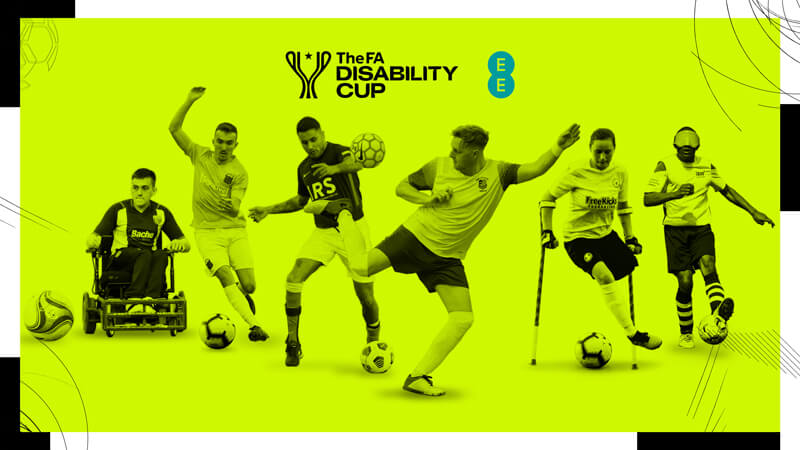
The FA Disability Cup continued to showcase the very best of the grassroots club game across six different impairment categories, broadcast live and accessibly on BT Sport (now TNT). During the two days of Finals coverage, there were also appearances from Michael Owen and his son James in attendance, plus Damaris Cooke and Rolf Choutan winners of EE’s ‘New Signing’ initiative to recruit British Sign Language (BSL) presenters (not interpreters) for the channel. Their story and live on-air conversation with lead presenters Lynsey Hipgrave and Ade Adepitan, along with two supporting BSL interpreters, paired in three camera facing presenting positions, was a great showcase for innovation of inclusivity, accessibility and production of sports coverage.
Something Arsenal also continued to invest in, becoming the first club to provide permanent BSL services at every home match. Launched around Level Playing Field’s ‘Unite For Access’ campaign in March, the pitch-side show will now have full BSL integration and all club content within the stadium will include an embedded BSL interpreter.
The England Men’s Powerchair Football team reached the World Cup Final in Australia, narrowly losing to France on penalties, with emerging young stars like Dan McLellan (aged just 14) playing alongside established teammates including captain Jon Bolding and vice-captain Chris Gordon.
Elsewhere, England’s men’s Cerebral Palsy team were European Championship Finalists, the men’s Partially Sighted team reached the final of the IBSA World Games (hosted in Birmingham), and the England women’s deaf team secured bronze at the World Deaf Futsal Championship in Brazil.
Jack Grealish also continued to model what a positive approach to disability inclusion looks like, through simple but important acts of authentic consideration. From stopping and speaking with a young visually impaired girl during the medal presentations at Manchester City’s Super Cup win (resulting in the remaining line of other City players following his lead to acknowledge and engage with her), to more recently spending time with a disabled journalism student behind the scenes after England’s win over Malta at Wembley.
On this topic, I must make (a non-impartial) reference to TAGS (The Ability Group in Sport), a network created for disabled people working or aspiring to work in sports media and production. This year TAGS members have continued showcasing their skills across the biggest and best platforms in sport, whilst also contributing to industry changing initiatives such as the Disability Journalism Forum and TV Access Project. Special mentions for Joe Skinner, a final year journalism student who became the first person to produce a sports article created via speech-to-text software, captured on a match-day at Burnley FC and published by The Times, in a project TAGS developed with News UK. Maria Verdeille, now a Bafta award-winning member of the Whisper production team, for their coverage of the UEFA Women’s Euro 2022. Gemma Collis, a sport producer for BBC Radio 5 Live, who also became World Number 1 for Women’s Epee Cat A Para Fencing back in March. Plus, Andy Stevenson, listed for a second time in the Shaw Trust Power 100, for his on and off-screen work in disability and non-disability sports broadcasting. A group of high achievers with some serious wow factor.
One of my highlights from this year was being on course to enjoy the inaugural G4D Open hosted at Woburn Golf Club, where Brendan Lawlor took the title. It’s an interesting time in the growth of golf as a sport for all, with big progress being made and great potential to develop further. The G4D Tour boasts a diverse and exceptionally talented collection of top-level competitors, playing golf and not an adapted form of the mainstream game. After the ‘Celebration of Champions’ event at The Open in St. Andrews last year, it was good to see Kipp Popert (world number one disability golfer) and Italian Tomasso Perrino, appearing in the Ryder Cup ‘All-Star’ match, played before Team Europe’s compelling win in Rome (and those post-match bus celebrations that followed!).
In other sports the achievements kept coming. Alfie Hewett is finishing this year as wheelchair tennis World No1 for the first time in his career. Great Britain picked up 14 golds and 38 medals in total at the Para Swimming World Championships (hosted in Manchester). GB’s Sarah Storey won the C5 individual time trial at the UCI Cycling World Championships to claim her 17th road world title, and 42nd world title overall in Para-cycling and Para-swimming. Fellow paralympic super-star Hannah Cockroft also continued breaking records, winning more world titles and collecting more awards to go with them.

Despite losing out to France in the final of the European Wheelchair Rugby Championship, GB’s men secured their place at the Paris 2024 Paralympics. Likewise, in wheelchair basketball, GB women secured silver and GB men an undefeated gold, at the 2023 IWBF European Championships, both securing their spots for Paris too.
Over four thousand participating athletes and millions of fans around the world, will be eagerly anticipating what promises to be an epic 12 days of competition next year at the summer Paralympic Games, soon after the Olympic Games. With it being the nearest thing in proximity and potential impact since London 2012, yet taking place in a very different economic and political climate, what the showpiece disability sporting event of the year will deliver, both on and off the field of competition, will be fascinating to follow. Including which athletes may emerge as new icons and global stars of the future.
Image: Paris 2024 Olympic and Paralympic logos
Before moving on (and again acknowledging my bias), it’s also important to recognise David Clarke’s appointment as CEO of ParalympicsGB. In the same year the record goal-scoring former England and GB blind footballer was awarded an OBE in the King’s Birthday Honours List, for his services to Paralympic sport. It makes David one of the very few CEOs of any major organisation (sport or otherwise), with lived experience of disability. A trailblazer in so many ways, his unique skillset, experience, and unwavering positivity, make him a perfect person to lead on the defined long term vision to inspire a better world for disabled people through sport, with strategic focus on performance and social impact.
And finally, to John McFall, another outstanding individual named on the Shaw Trust 100 list for Sport. The former Paralympic medallist, who I referenced last year for becoming the first person in the world with a physical disability to be recruited to a space agency, is hoping to be the first para-astronaut to undertake a space mission and also happens to be a qualified doctor and surgeon. Staggeringly impressive.
So, in all, a pretty compelling set of people and achievements, revealing only a small snapshot of immense talent in the world of disability and sport. Pioneers, in a year where Judy Heumann, an internationally acclaimed leading US disability rights activist widely regarded as ‘the mother’ of the Disability Rights Movement, passed away aged 75.
It’s important to acknowledge that applauding the remarkable achievers I’ve mentioned (with apologies to the many more I’ve not), is only one very small piece of a much bigger and less celebratory conversation around disability. The ‘Superhumans’ of sport, are not the full story.
I’ve written previously about the challenges, barriers and inequities that continue to exist, driven by a general lack of comprehension and competence on the topic of disability. Creating unimaginable and unacceptable problems, that are commonly left with disabled people to fight against.
So, I’ll try not to repeat myself. But I do believe sport, through its people and stakeholder partnerships, can and should play an important role when it comes to progress and lasting change around EDI, accessibility, and social sustainability in society.
Sport is a source of fun, enjoyment, competition, entertainment, but also incredibly powerful and life changing. Whilst it cannot right all wrongs in the times of crisis we are experiencing, there is much more that could be done. Improving disability inclusion and accessibility benefits everyone, and goes beyond participation alone. Existing partnerships in sport are being vastly under-exploited in service of this purpose and potential new opportunities remain un-imagined. A basic level of knowledge regarding disability that stakeholders in any role, at every level across the industry, should possess is missing. This has consequences. It impacts the decisions taken (or not), voices heard (or not), and the people in the room (or not), to inform them. Good intentions and the right words on the company website are not enough.
Being a positive contributor to a more inclusive and accessible society is something we can all take more responsibility to prioritise. Simple things can make a huge difference and may not be as daunting, difficult, costly or time consuming as many believe. Despite all the talk of triple bottom line, ESG, EDI, and sustainability, the commercial and social value of disability is still too commonly overlooked.
It should not have to wait until we join the group, for us all to understand and care more about disability. Could you be giving it more energy?
Neil Callaghan is founder of 20-Fifteen SPORT, a sponsorship and partnership marketing consultancy that specialises in disability and accessibility. He’s also a co-creator and advisor on the Management Committee of The Ability Group in Sport (TAGS).