






Nick Stocker: ‘red Bull Racing Partners Build Connections’
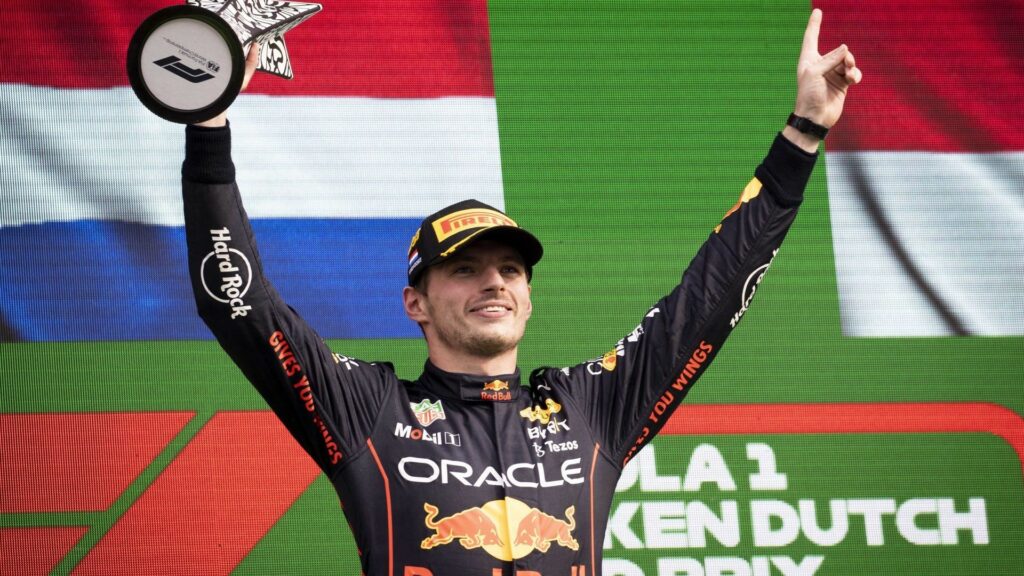
This weekend Max Verstappen will have the chance to wrap up the 2022 Formula 1 Driver’s Championship in Japan. His team, Oracle Red Bull Racing, also sits top of the Constructor standings. While the success on the track will grab the headlines, there are also some majors wins being secured off it.
The Red Bull Racing licensing team has doubled in size every year since 2020 and has seen revenue rise by 340% in that period. The latest deal added to its growing roster is with British sportswear brand Castore. We sat down Red Bull Racing’s Commercial Director, Nick Stocker, to find out more.
“I am fundamentally here to drive revenues, but also to bring in the right brands. It is not just about doing business for business’s sake. We must pick and choose to get it right.” Stocker says.
Manchester-based Castore has grown from a relatively unknown brand to a significant player in the sportswear space in a short amount of time, now adding Red Bull Racing to its impressive list of sports partners that includes Aston Villa FC and Andy Murray. Becoming the official apparel supplier to Formula 1 team currently sitting on top of the tree is one of its biggest deals yet.

“It was serendipitous when I met Phil and Tom from Castore. We had simple discussions about the apparel sector, their ambition and vision was laser focused. What blew us away most of all was the quality of their product,” Stocker explains when looking back to the beginnings of the partnership.
“We heard about the brand but didn’t believe it until product in our hand.”
Castore’s aggressive entry into the sports market was clearly something that impressed Stocker, describing its “disruptive approach” as “enticing“.
He also highlights specialisation as a key pillar of the commercial strategy when considering the Castore deal, specifically noting Premier League football club Manchester United’s model when it moved away from Nike.
“When United moved to New Era they doubled cap sales as they were a specialist in their space,” Stocker explains. By breaking apparel down into categories – team, caps, footwear, baggage, and racesuits, Red Bull can target specialist partners to supply the most premium products.
Stocker continues to underline the importance of product quality to Red Bull Racing. Firstly, for the fans, and the desire to provide “premium nature that is affordable and reachable,” but crucially for the team itself.
“We don’t take these partner decisions likely. It is a big undertaking,” says Stocker. “The decision doesn’t just go with the commercial team, but must be taken to the sports team, the engineers, the pit crew, the mechanics to ensure they are happy. Is the apparel oil resistant? Is it tough enough? Is it flexible enough? Can it wick away the sweat in Singapore? Does it keep you warm on those cold and rainy days at testing?”
At the elite level of sport, a teamwear deal moves beyond financials and marketing, and into “marginal gains” at the highest level.
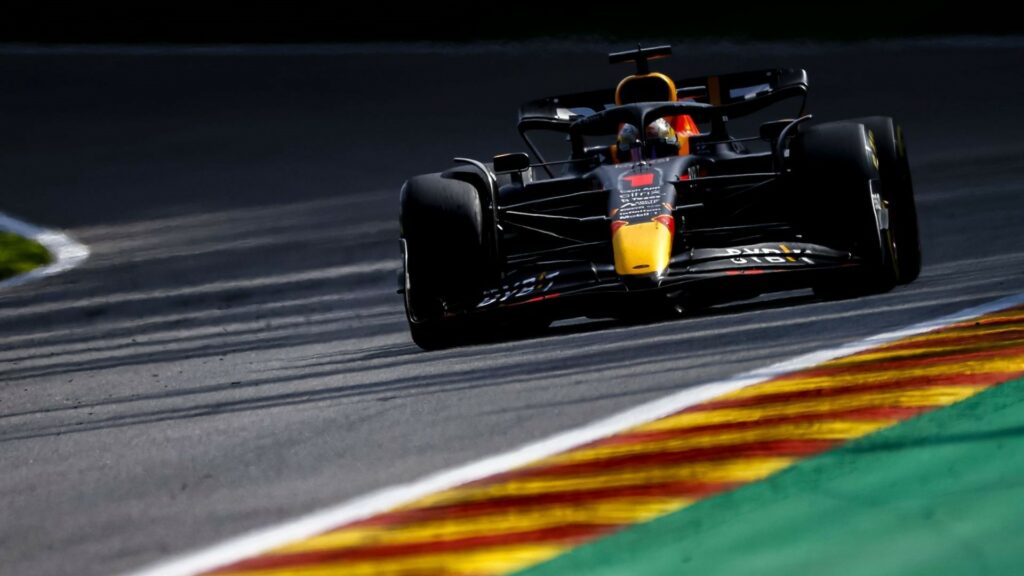
“Red Bull has held the record for the fastest pit stop for the last five years. The crew can change a wheel in 1.82 seconds. The right gear is crucial,” Stocker adds.

Now, approved by the UK-based Formula 1 team’s technical experts, Castore has signed on as Red Bull’s latest partner, joining a list that includes Zoom, Tag Heuer, Walmart, Gold Standard and Pokerstars. The collective annual revenues of these partners exceed $1.5 trillion per year, making Oracle Red Bull Racing the largest business network in Formula 1.
When discussing the cause of this success, Stocker firstly highlights that fundamentally the “sport is getting bigger.”
A rising tide will lift all boats, but Red Bull Racing is still pulling away from the competition. Stocker explains that “diversity of product” is important to Red Bull and likens the strategy to that of another high-profile sport.
“I hold NBA in high esteem. That relevance of street culture intertwined within their products; you don’t have to be a basketball fan to appreciate the culture of the NBA. We wanted to adopt the same process and reflect the diversity of interest within our young fan base. We are the only team that transcends beyond F1 with music, art, lifestyle, fashion,” says Stocker.
“I hold NBA in high esteem. That relevance of street culture intertwined within their products; you don’t have to be a basketball fan to appreciate the culture of the NBA.“
NICK STOCKER, ORACLE RED BULL RACING
As well as its partner brands, Red Bull holds a place in this category too. “Most fans can’t afford a McLaren, Mercedes, or Aston Martin but with Red Bull you can have that product in your hand and licensing means you can buy into it,” he says.
A focus on the fan is key to Stocker’s decisision making, describing the brands that Red Bull targets as “young, hungry, disruptive, and culturally relevant to the young audience” with core products that create “a connection, not just revenues.”
The attention to youth is consistent throughout the conversation. Formula 1 fans are becoming younger, with the average age currently at 32-years-old, down from 36 in 2017. Stocker credits this to the team’s audience and channel growth strategy, coupled with the popularity of Netflix’s fly-on-the-wall docuseries Drive To Survive.
“The new fans are interested in the fanfare around sport. Some will become the ardent F1 fans, the technically-minded purists. Some won’t. But the circus of F1 has become interesting and commercially viable,” he explains.
The Box To Box Productions series has also contributed to the explosion in Formula 1 interest from the US. Red Bull Racing has tried to mirror that in its commercial strategy with 75% of its new partners in the last two years headquartered in the Americas, with 12 of the 14 headquartered in North America.
With Las Vegas becoming the latest US Grand Prix to join the schedule next year, further growth is on the horizon and Red Bull aims to capitalise by proactively investing in the likes of “city centre fan parks,” track side energy stations at the current Grand Prix in Austin and Miami and continuing to push the agenda online after seeing its “largest digital growth from the US.”
Red Bull’s target for further growth is obvious, with a focus on youth and the US a strategy Stocker is keen to follow, falling in line with the sport as a whole. For Red Bull, the challenge is to remain ahead of the competition.
Max Verstappen may well lift the championship trophy in Suzuka this weekend, marking a huge milestone in what has been such a successful period for Red Bull Racing. But the speed on the track is not the only thing worth celebrating, with Stocker’s commercial team continuing to drive forward.