

One Year On: Winning Young Agency Of The Year
Nick Cooke, director at GOAT – named Young Agency of the Year at the BT Sport Industry Awards 2017 – speaks to Sport Industry Group about the impact a BT Sport Industry Award had on the agency, learning from mistakes, and the key to sustainable growth…
Tell us about the GOAT journey so far?
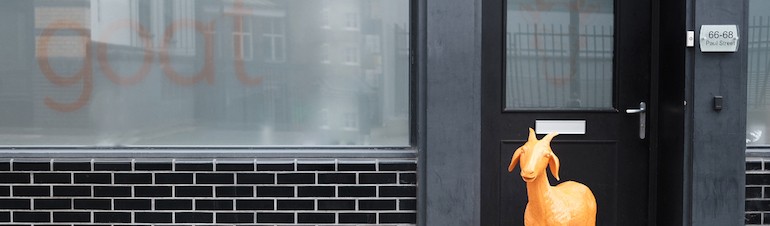
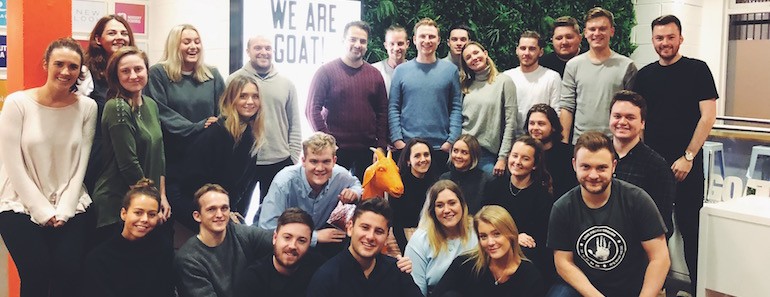
We’re just over two years old. One year ago we still only had 12 employees in the business, the team has since grown to 42 – moving into our new office space in Old Street. To give an indication of our growth, in the last quarter we’ve won £3.5m+ of new business and our October 2017 revenue was 8x that of October 2016. Obviously we’re delighted with this rate of growth but it has brought it’s own challenges.
Coming from Sportlobster we secured work early with a range of fantasy, gaming and social products for performance driven campaigns. We knew how to drive acquisitions through performance driven campaigns with influencers, and this has become the basis of our business. We reduce the cost per click, cost per registrations and cost per deposit/sale for clients and it’s an incredibly scalable model.
Based on the performance data we have, we’re the only agency able to make guarantees across deliverables like video views and clicks, at real scale. We don’t own accounts or manage influencers so we’re able to be unbiased when selecting influencers, and we’re now running truly global, seven figure campaigns in local languages, which no-one else is in a position to do.
What we are now doing is working in bigger budget-territory and competing with media buyers, whilst working alongside many of the large PR, ad and creative agencies. This has enabled us to work on amplifying sponsorship deals and creating mass awareness around sports like cricket and rugby through work with the major federations – working with the likes of Chelsea FC, Unibet, The FA, Formula E and Football Manager, to name a few.
The growth of the market for influencers in the industry has made it possible to educate and work with brands, federations and sponsors who are starting to understand the use of influencers. Previously influencers were seen as a risky option in terms of delivering a trackable ROI and communicating the brand in a less regulated way. The trust is there now and we are able to take more of a lead across the board, from creative to influencer selection and reporting.
Many of the senior team came from Sportlobster, were there any key lessons learned from that experience?
There were many lessons we learned. GOAT was almost created by accident. At Sportlobster we spent a large amount of money, a lot of it not particularly wisely, but for every pound spent effectively using influencers we also learnt which channels really aren’t effective when looking to engage fans and report on a true ROI. It was from our work reaching out to football fan pages about five years ago we learnt that they convert much more effectively than traditional forms of PR, paid social, above the line etc. We built a small in-house influencer team that built our network of sports influencers and collected data across hundreds of data points. This means we now know what will convert best across individual influencers, posting times, platforms, messaging, incentives and calls to action.
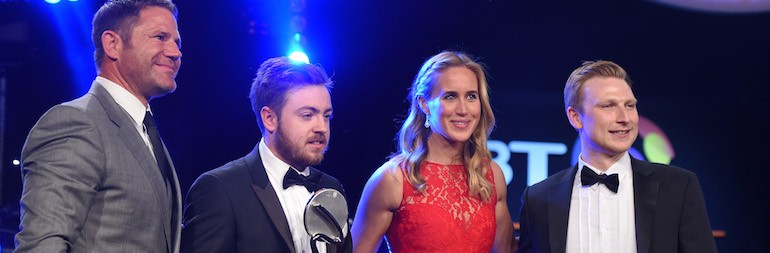
What impact did being named the first ever Young Agency of the Year at the BT Sport Industry Awards have on your business?
It was a huge accolade for us! As an agency we are structured to deliver campaigns but we are not the best at the PR side of things and talking about how amazing we are. We don’t shout about it when we win new clients, which is something we should probably be doing, but our focus has always been on delivering results and retaining clients.
Winning the award was a surprise for us, and a wake up call for how well we had been doing. Internally it was a massive confidence boost to the whole team, but externally the outcomes have been fantastic.
In terms of reputation, we have since walked into a number of important meetings where people have referenced our win, or said they initially heard about us at the BT Sport Industry Awards and had been meaning to speak to us ever since.
We have had clients who have came directly from the BT Sport Industry Awards, including a sports star that attended on the night (but I can’t name names!). We were also approached by some brands that reached out immediately after the event, so there have been genuinely tangible results off the back of the award.
Whilst these direct client wins have been a huge bonus for us, I think the reputation and the confidence the recognition gave us as a team was the biggest boost.
For you personally how did it feel to collect the award on stage?
It was an amazing experience. It was the second award of the night, after Dame Jessica Ennis-Hill had been on stage with Tom Daley and Laura Kenny, which was already an amazing start – and then suddenly we were going up to collect an award!
We’ve attended the awards for a number of years. I think I was about 23 when I first attended and thought it was the best thing ever, being surrounded by my heroes. I was in awe of it all. So to come back five years later and be on stage collecting an award was unreal.
What is the key to keeping the rapid growth you have seen sustainable?
We now have a core management of superstars, all of whom have been with us for over a year and know exactly how we do things. They are now passing that knowledge down to their respective teams to ensure we’re able to grow quickly while still maintaining our standards.
I guess another important thing is the relationship between Harry, Arron and myself. At Sportlobster Arron was my boss and I was Harry’s boss – we’re now equal partners, but that previous experience has really helped us to understand each other’s strengthens and weaknesses. I think the key is that we are comfortable spending a lot of time together, making key decisions, whilst letting other members of the team deliver what they are capable of.
As a result, we’ve won over £3m of work in the last three months, and we’re projected to do £15m-£25m over the next 12 months.
Lastly, we are willing to take risks. We have been unfunded from the start and we have run the business by executing successful campaigns, putting that profit towards building the team. We haven’t really spent any money on marketing, so our reputation and contacts have been crucial. The real key is to keep delivering great campaigns, which means over 50% of our work each month is from repeat clients. That has been the foundation to this growth.
Our growth structure has been built on hiring young, talented and bright people rather than looking at CVs and hiring people who have been at another agency for a number of years. No one has done this before and it is a new industry, so you can’t hire someone who has been in influencer marketing for ten years. They don’t exist yet!