






Opinion: Putting Innovation In Racehorse Ownership
Being renowned as ‘the sport of kings’ conveys the prestige and provenance of horse racing in Britain, but – as Great British Racing’s chief executive Rod Street asks – has this image proved a thorn in its side when attracting new investment into the industry as owners?
In 2015, the British Horseracing Authority announced a ‘Strategy for Growth’, in which key stakeholders would work together for racing’s future. One of the stated targets was to increase the numbers of racehorses in training by 1,000; the subtext to that figure was to seek to deliver a greater diversity of participants to the sport and attract more people to the excitement of racehorse ownership.
Shortly thereafter, research conducted by the Racehorse Owners Association has informed us most owners start off by having a share in a horse and that their passion develops from that point. It’s therefore fairly established that in order to encourage more people to get involved, we need them to enjoy the benefits of part-ownership, or being part of a club or syndicate so that they can become the owners of the future.
Attracting new owners and supporting those we already have is a virtuous circle for racing; more owners should mean more horses, which is good for breeders, good for trainers, hopefully good for stable staff, good for racecourses, and in turn for the betting industry and TV too.
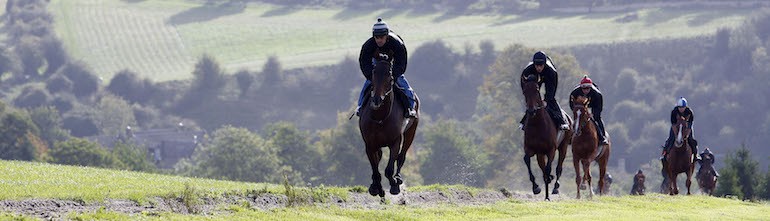
However, perceptions that racehorse ownership is purely the domain of the rich and famous persist and that’s what we’re trying to tackle by showcasing the affordability and thrill of getting involved with a racing club or syndicate. There has also been a lack of independent information and, simply put, if someone doesn’t know how to go about getting ownership in the first place, it’s often acted as a deterrent in taking their dream any further.
Aiming to tackle both of these issues, Great British Racing launched InThePaddock.co.uk at the start of the year. It allows visitors to find independent information about racehorse ownership, to follow experiences of those already involved, and to search for ownership options that can be tailored by elements such as cost and location and whether their interest is in jumps or flat racing. The site highlights shared ownership options starting from as little as £100, which certainly communicates the affordability of some forms of racehorse ownership to those who come looking.
It’s not just about cost but also the experience that you’re buying into too. On an average raceday, there are six or seven winners, but an awful lot of losers too, which means customer experience is really important. So we’re keen to communicate how it’s of course not just about the winning but also the behind-the-scenes access that syndicate ownership offers people, in terms of going to visit your horse at the stables, being able to see it train, as well as the social aspect of meeting new people or getting involved with a bunch of friends.
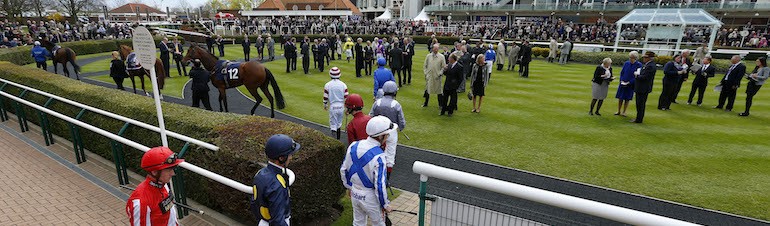
The people we are talking to are typically already interested in racing and amongst those making one of the 6 million visits to racecourses across the country each year. Of course, a giant billboard on Oxford Street would serve little purpose, because we think we need to be talking to people who have already made some commitment to racing, whether it be someone who is a punter who likes a bet when they are watching the big races on television on a Saturday afternoon, or whether it’s someone who is already a regular racegoer and enjoys the social occasion. We’re preaching to a relatively small proportion of the population, but hopefully a fertile one in that they are already engaged.
We’re conscious that racing is part of a crowded leisure market and that if you’re getting involved in a club or syndicate, customers have the right to expect certain levels of service. This is something else that we have been working on with the BHA, ensuring that all of the clubs and syndicates working with us have terms and conditions that guarantee to provide a minimum level of service.

If you come into the sport as an owner, that you can expect transparency: You should know what is happening with the finances, that you will get a fair share of their prize money, you know what your costs will be and what levels of communication you can expect. The BHA will soon issue a code of conduct to that effect and is an important step in ensuring that the first ownership experience will be a positive one.
The early metrics have been encouraging. We have 90 syndicates and racing clubs on board already (they register their offering on the site independently), and in less than a month we have had over 7,000 unique visitors. Indeed, we got twice the numbers in the first week than the old promotional site for ownership got in a whole year, which was a good start. There have been over 3,000 searches using the search function on site and a number of direct enquiries to clubs and syndicates as a result.
A recent statistic from Australia revealed that one in every 310 people are involved in an ownership syndicate. Applying the maths crudely, that would mean if replicated in the UK, something like 250,000 people would be directly involved in ownership, even if at a very small level. Replicating that here is clearly a way off and is linked to the prize money levels on offer in Australia and not the UK, but getting closer to that figure would do the future of British racing no harm at all.