


Simon Mundie: ‘what Sport Can Teach US About Thriving In Business’
Simon Mundie explores how the world of sport can be rich and fertile ground for businesses if they are looking for an edge in the 21st century.

Having written Champion Thinking: How To Find Success Without Losing Yourself for Bloomsbury – which draws on exclusive interviews with World Cup winners, Olympic Gold medallists as well as world renowned psychologists, scientists and philosophers – the parallels between sport and business are obvious. As the saying goes, ‘sport is a metaphor for life’. And, in my exploration of this view, I am now in a position to reveal deeper truths to help you thrive in life and business. Here are my top takeaways.
BURNOUT
Levels of stress and burnout in the workplace have been steadily rising for years, and hit new highs in 2023. One report said that almost half of UK workers are ‘running on empty”, and despite hybrid working becoming the norm, such figures continue to rise.
One ongoing and unavoidable issue is that we have a staggering amount of inputs in this day and age, from email to instant messaging and social media. And once the working day is done, people habitually reach for their smartphones and start scrolling, keeping themselves in a state of stimulation. We never have to be bored with our hand-held devices, and that is a problem.
I spoke to World Cup winning rugby legend Sir John Kirwan, who was knighted for services to mental health after suffering a serious depressive episode during his career, about this phenomenon. He shared a powerful analogy that can help anyone avoid burnout.
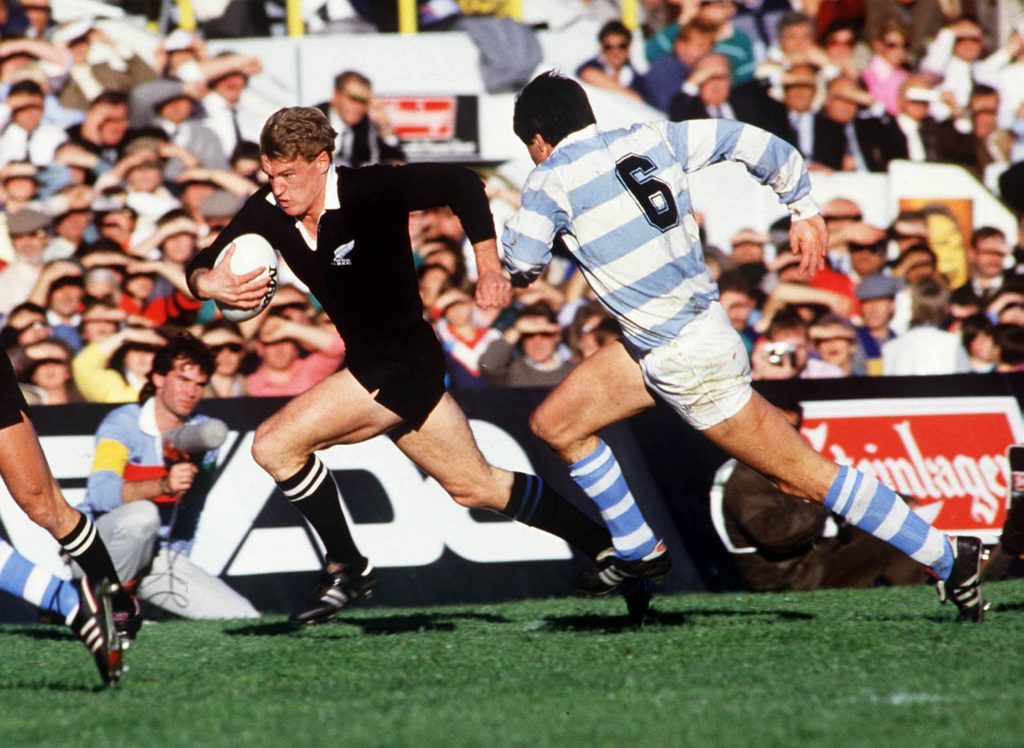
What do you do when your computer starts playing up? “Turn it off and turn it on again – 99% of the time that works.” We need to do the same thing with our brains. Kirwan is an “active relaxer”. He reads, walks and plays the guitar. Whatever it is, it is vital to find ways to power your brain down that don’t involve scrolling, and then factor them into your day. Even just taking time to stare out of the window, or embracing boredom while waiting in a queue or on the train, can have a powerful impact on levels of stress and creativity.
PSYCHOLOGICAL FLEXIBILITY
Psychological flexibility is our ability to engage fully with the present moment, without defence. The fact is, we all experience uncomfortable thoughts and feelings. Take ‘imposter syndrome’ when we feel like a fraud and experience doubt and anxiety. During my research, and after having given lots of talks about this very subject, I have never met anyone who has not been through this.
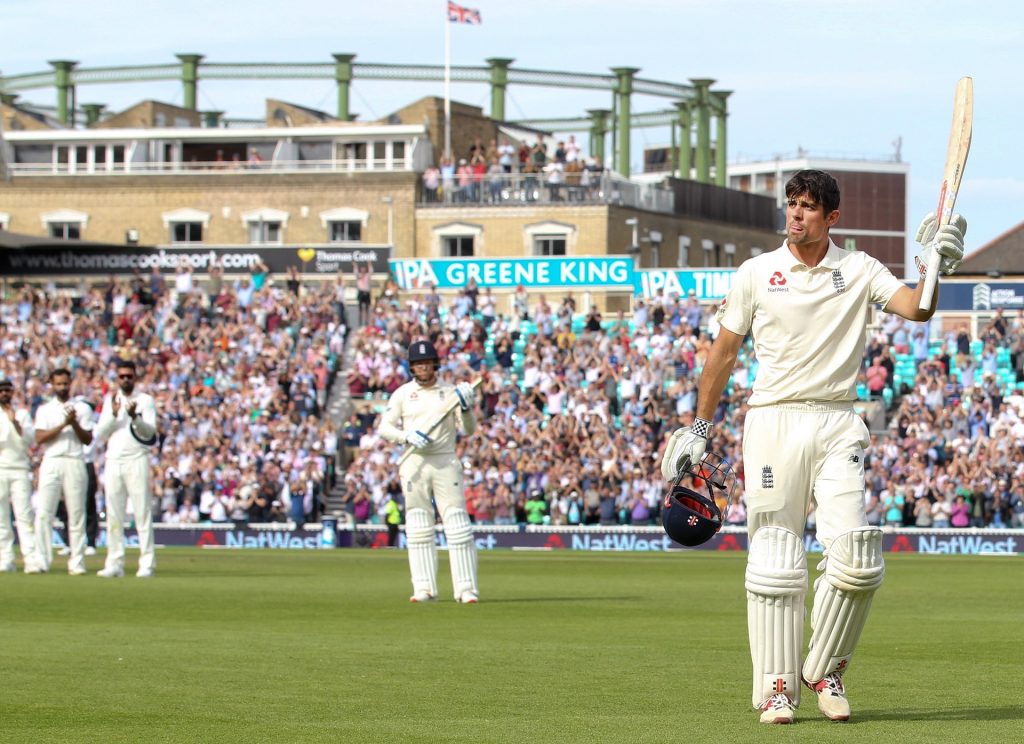
The question is, how do we do what we need to do, even when our inner critic is running riot? Rather than seeking to change the contents of our thoughts, and distract ourselves from the accompanying sensations in our body, we can recognise that these are an entirely normal part of the human condition, and embrace them. This was something Sir Alastair Cook learned to do to great effect ahead of his career-defining Ashes performance in 2011.
One powerful technique to consider is using a defusion technique. If you are able to notice a thought saying, ‘I’m going to mess this up’, instead of identifying with it or resisting it, we can add the following prefix. ‘I’m aware of the thought… I’m going to mess this up’ creates space between you and the thought. Thereafter, bring yourself back into the present, perhaps by paying attention to what you can hear, or the sensations you can feel. Then we can do what we need to do, irrespective of what the voice happens in our head happens to be saying.
GET IN FLOW
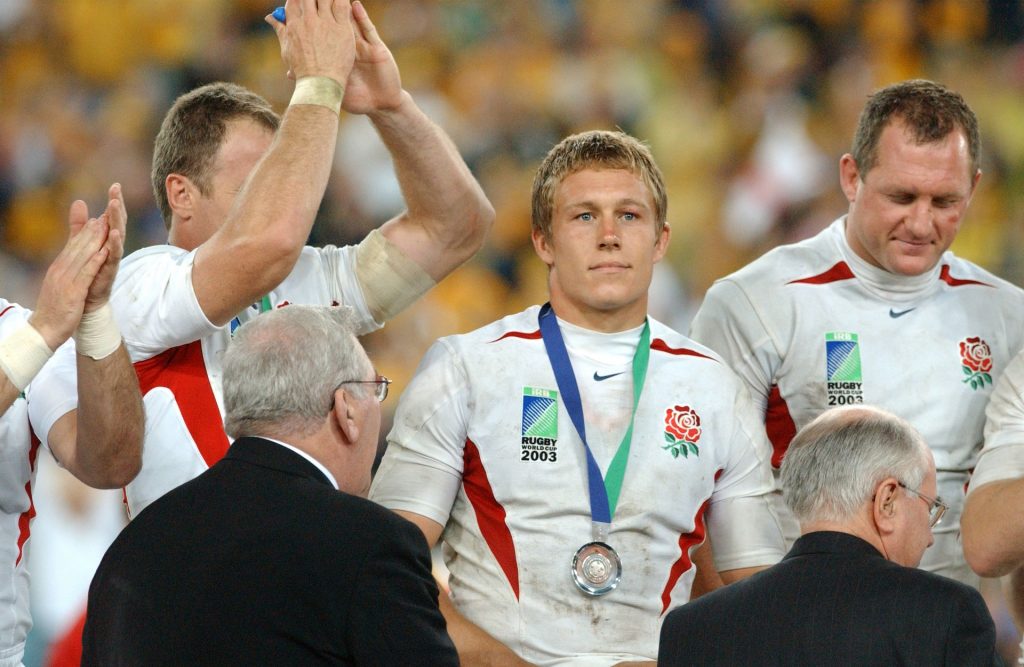
Flow is a state in which we feel and perform at our best. In sport, these are the moments when athletes produce other worldly performances, and describe the experience of their sense of self disappearing. “It wasn’t ‘me’ kicking it, it was a ‘knowing’ of it”, Jonny Wilkinson told me, speaking about his World Cup winning drop goal of 2003.

A key aspect of flow is that it follows focus. If we are being continually distracted by email, WhatsApp, and social media, it remains ever elusive. When thoughts arise urging us to reach for our phone arise, we can use the aforementioned defusion technique to stay on task.
When we feel stretched and frustrated, that is actually a good sign. After taking a short break to switch our brain computer off, we are more likely to drop into flow on our return. The business consultancy McKinsey studied top executives in flow and found that they reported being as much as 500% more productive.
Champion Thinking: How To Find Success Without Losing Yourself, published by Bloomsbury, is on sale now. Simon Mundie also hosts The Life Lessons Podcast.