





The Netflixification Of Sport
This article is from Pitch, a magazine that tells the stories of modern sport. You can find out more and get yourself a copy here.
Paul Simpson covers a ton of ground in assessing televised sport’s quest to stay relevant. Fuelled by pragmatism, some dynamism, and a good dose of cashing-in cynicism, are documentary makers not lawmakers its last, or just latest, salvation?
If you tell young people, this today they won’t believe you but 50 years ago the most popular live sport on British TV was snooker. BBC2’s Pot Black is probably still best remembered today for commentator Ted Lowe’s classic line: “For those of you watching in black and white, the pink is next to the green”, but you could argue that this programme revolutionised the relationship between sport and entertainment.
And the man behind this sedate revolution was none other than David Attenborough.
In the late 1960s, as controller of BBC2, Attenborough had a problem. The channel itself was relatively new – making its debut in 1964 – and was intended, in part, to promote colour television. The challenge he faced was that the first colour TV cameras were cumbersome, expensive and difficult to move around. So, what he needed was a programme that was visually colourful and almost stationary. Snooker fitted the bill perfectly. One table, two players and a mysterious spectrum of coloured balls (which even the game’s historians are at a loss to explain) which were absolutely central to the action.
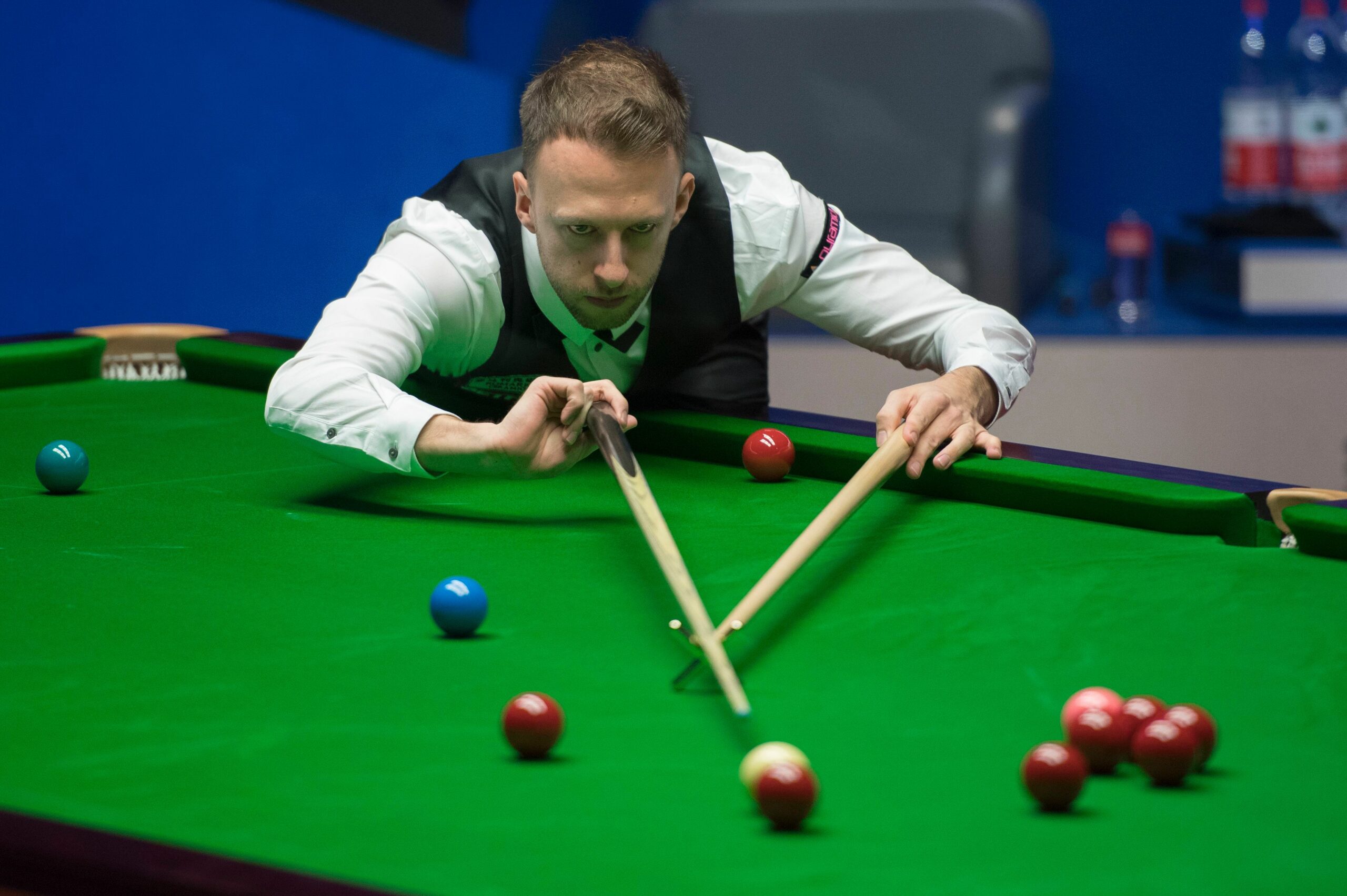
The really clever, innovative and farsighted thing that Attenborough and BBC2 did was to change the format. There was no way the channel could squeeze a 35-frame match into a prime-time TV slot so the action took place over a single frame – and who- ever potted the black won (hence the title). As new formats go, it was much simpler than such recent reinventions as The Hundred in cricket, for example. The programme makers also invited only the best players to take part – another idea that was decades ahead of its time – and the likes of Ray Reardon, Eddie Charlton and Alex Higgins didn’t just become gods of snooker (as the title of the recent BBC series put it) they became gods of the small screen, as familiar to the British public as Bruce Forsyth, Pat Phoenix and Basil Brush.
Attenborough was an unlikely revolutionary, and the BBC was hardly the kind of organisation expected to storm the barricades, which may explain why they were not vilified for taking diabolical liberties with such a venerable sport. Imagine the furore if they tried to do it today – in fact, you don’t have to imagine, you can just flick through a recent issue of The Cricketer magazine where you will find such headlines as ‘The Hundred Sows Damage and Confusion’ and ‘The Hundred Is Only The Fourth Most Plasticised Invention in Sport’.
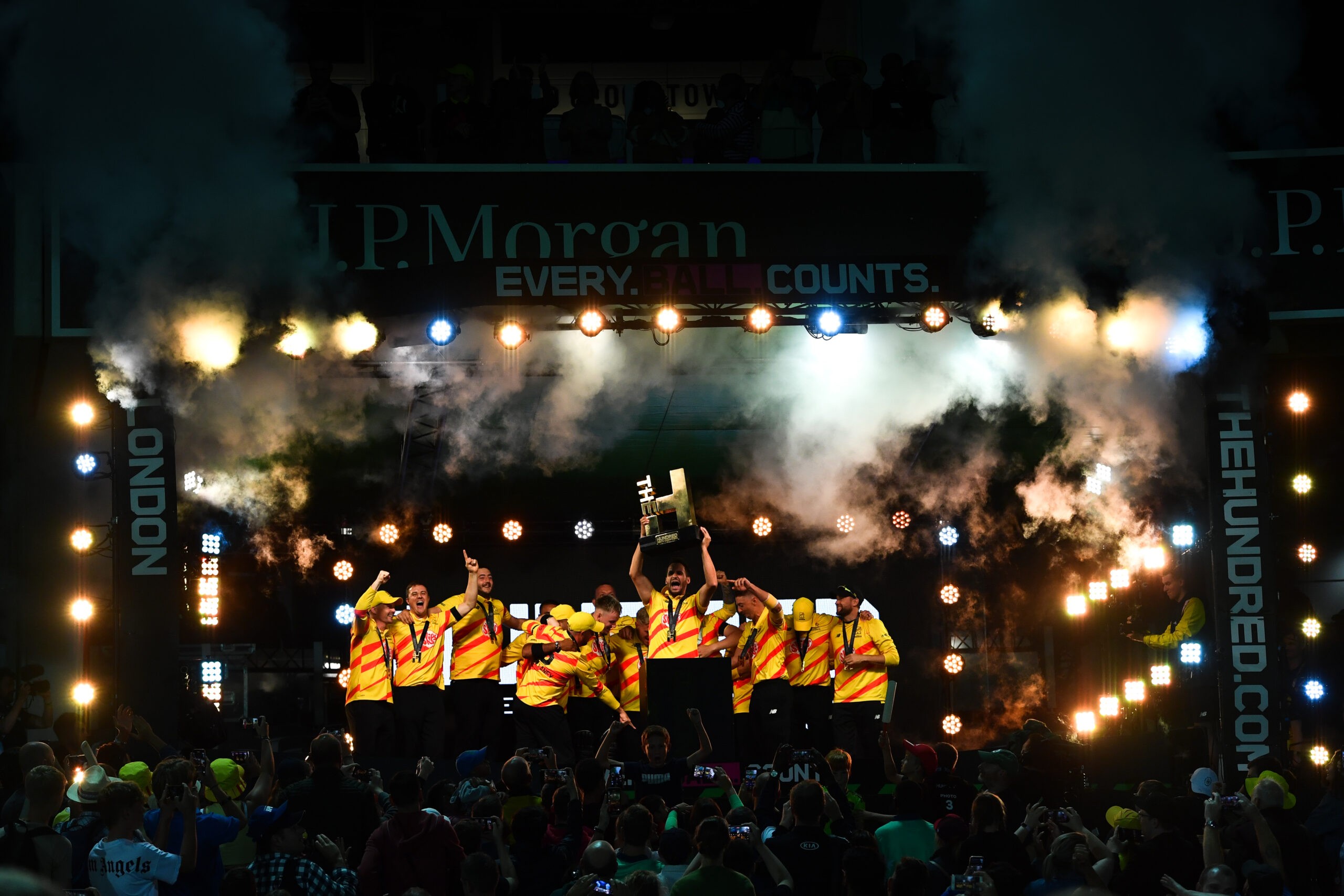
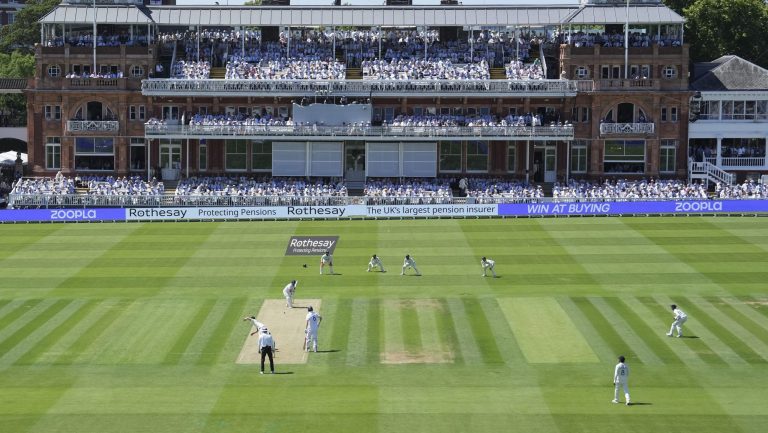
In a way, the outrage from purists is understandable. Cricket used to have two principal match formats: three-to-five-day games and limited over one-day contests, contested between two teams of 11 players. The game’s administrators have concluded that, in what some pundits call ‘the attention economy’, the traditional game is in danger of reinforcing the idea that the sport is, as Robin Williams once quipped, “baseball with Valium”.
Now there is a smorgasbord of shorter formats – including the T20 (which, through the blockbuster success of the Indian Premier League, has become the sport’s commercial powerhouse) The Hundred, the T12 (nine-a-side), and T10 (six-a-side).
At the present rate of compression and experimentation, it can’t be long before, as Barney Ronay joked in The Cricketer, someone launches a 15-ball tournament in which all the players are on e-scooters.
To give cricket’s authorities their due, they have as David Owen, one of Europe’s leading sports business writers, done one simple thing very well: “It’s very much an old man example but the live streaming of County Championship matches attracts a substantial audience of enthusiasts who would probably only rarely pay to access coverage. This will probably significantly enhance the value sponsors derive from their association with counties. Everybody wins unlike traditional sponsorship models where commercial interests prevail by extracting more cash from the devoted fan/customer.”
The pace and scale of change in sport has alarmed some fans but Frank Dunne, who covers sport, commerce and media for Sports Business, says we need to put this apparent turmoil into perspective. The commercialisation of sport is an inevitable, if unforeseen, consequence of the professionalisation of sport and, as Dunne points out, “For almost as long as television has existed, broadcasters and producers have been telling sports governing bodies ‘We like your sport but we need to fit it into two hours on prime-time TV, so we need you to make a few changes’ and administrators have done what they asked. Let’s face it, if you’re a sport which has relied on TV for 60 per cent of its revenue, what else are you going to do?” In his view, the digital economy, livestreaming, Netflix, TikTok et al didn’t invent this model, they just accelerated it.
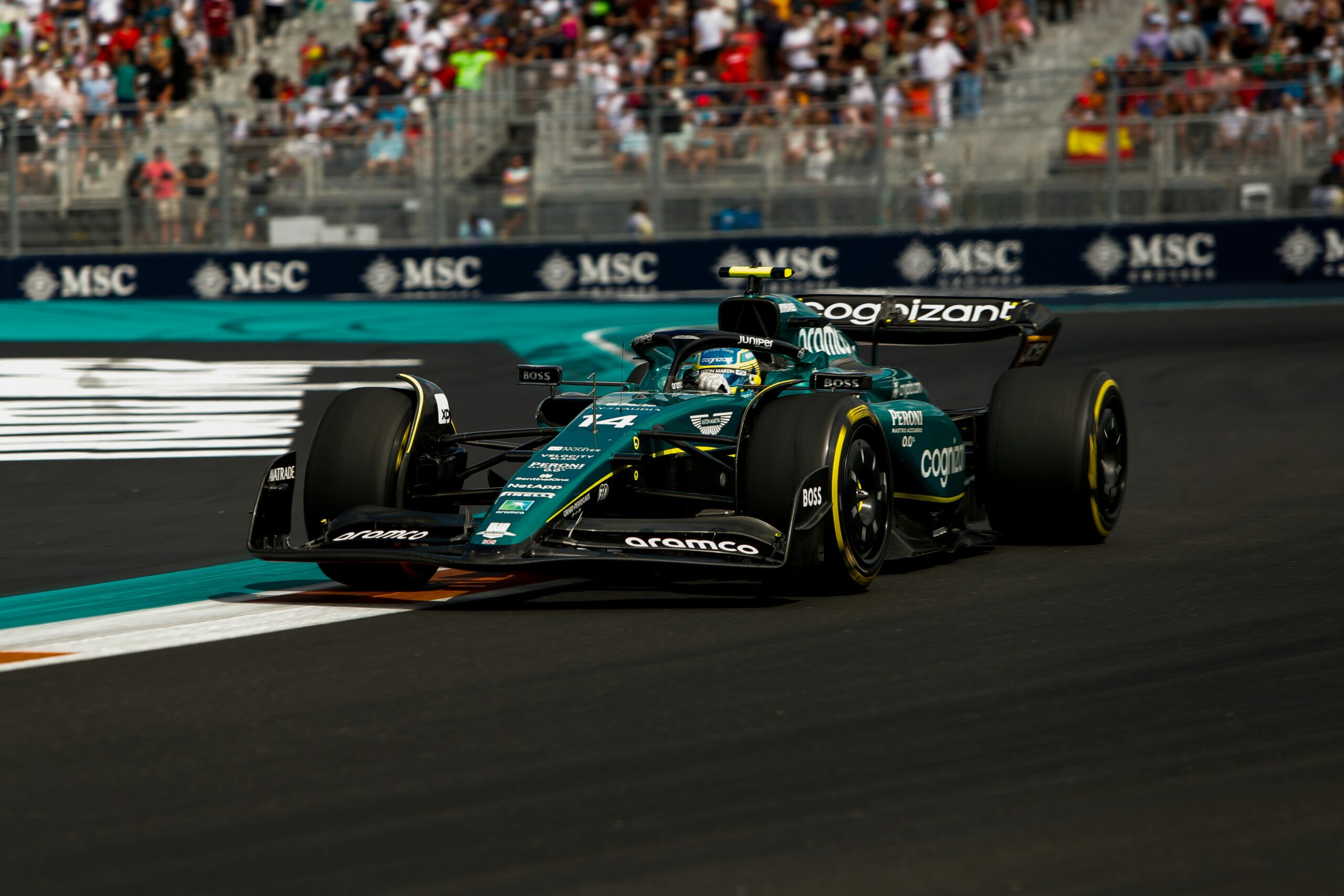
In other words, when John-Burn Murdoch lamented, in the Financial Times in May, that “European football now belongs to the highest bidder”, that has always been true to an extent. What has changed is that the highest bidders now are not just sponsors, or media companies, but sovereign wealth funds from countries such as Qatar, Saudi Arabia and the United Arab Emirates, which now own teams (indeed Saudi oil giant Aramco, a global sponsor of F1, has an option to buy a stake in the Aston Martin team), sponsor content and even launch their own competitions, as the Saudi government is doing in golf. The latter’s drive is so lavishly funded, estimated to represent a $2bn initial investment. The price tag might have been even higher if Tiger Woods had accepted a reported offer of $700-800m to take part.
And yet, to Dunne’s point, the magnitude of this disruption may be new but the principle isn’t. In July 1982, FIFA president Joao Havelange flew directly from World Cup hosts Spain to Mexico City in a plane owned by Emilio Aszcarraga, the head of Tele- visa Mexicana. Colombia had already been selected as tournament hosts in 1986 but the level of drug-related violence, and gangs’ involvement in the domestic game, clearly worried the federation, teams and sponsors. What was not so clear is why Mexico, who had hosted the finals 16 years before, were chosen instead.
Havelange later declared “People can write what they want but my conscience is clear” which was a tad disingenuous as it is almost clinically proven that he never had a con- science. FIFA’s official brief – to help football reach the parts of the world that it had not previously reached – would have suggested a switch to the USA, a vast potential market and a determined bidder. Yet America’s bid was not even considered by the selection committee, prompting its most famous advocate Henry Kissinger, the former American Secretary of State, to say: “The politics of FIFA make me nostalgic for the politics of the Middle East.”
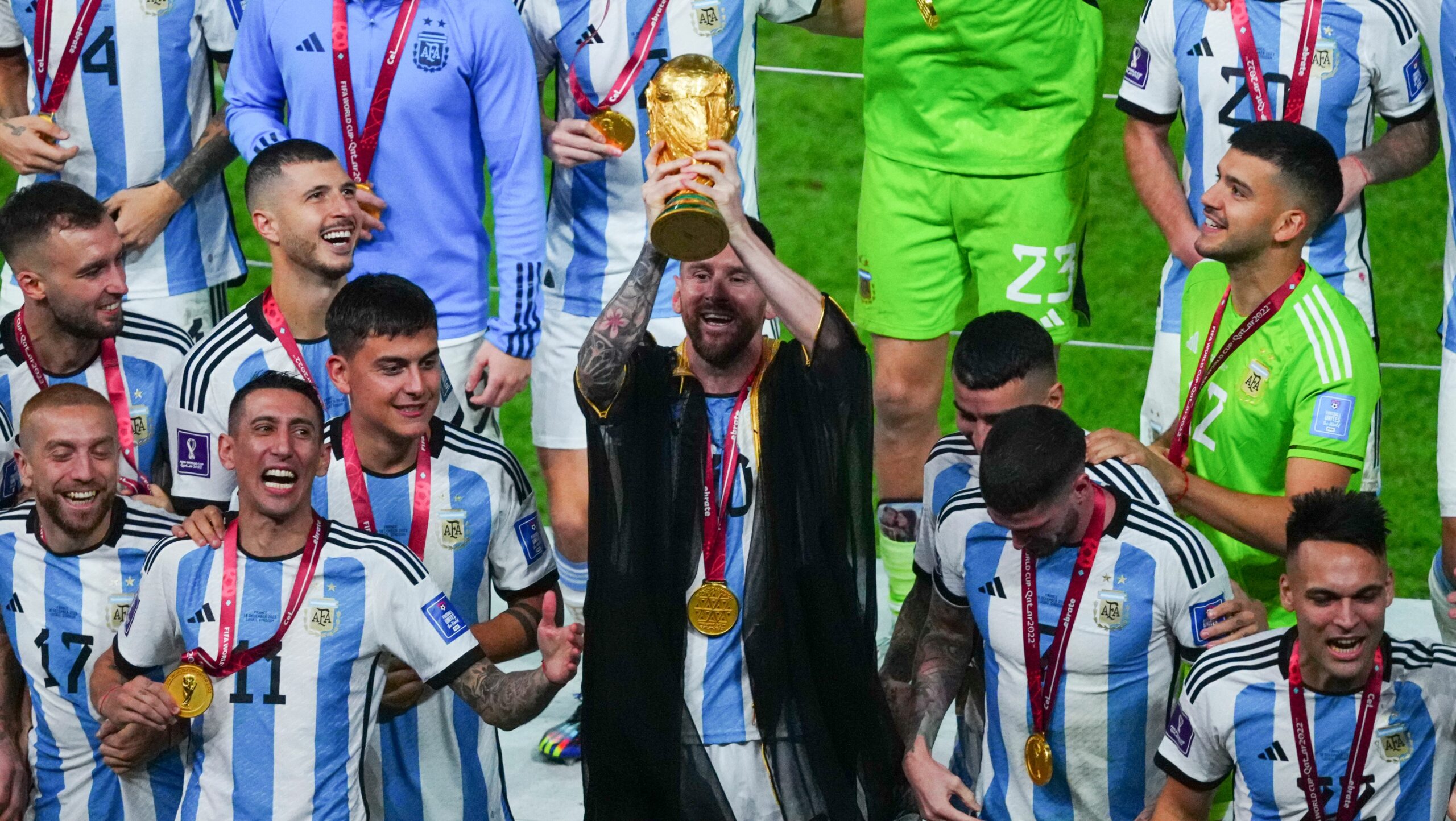
Under Havelange’s successor Sepp Blatter, FIFA re-embarked on a globalisation strategy worthy of Alexander the Great. After World Cups in the USA and France, the tournament was hosted in Japan and South Korea, Germany, South Africa, Brazil and Russia. Football has ignited the world’s masses in a way that few other sports have, which means it can afford to tinker at the margins, rather than fundamentally reappraisal the- game. Many other sports do not have that luxury, which is why administrators – known derisively to fans as ‘blazers’ – have been scrambling to reinvent their formats. You may like or loathe the changes they are making but, in most cases, this collective soul-searching is driven by the recognition that if we, as consumers, aren’t paying any attention, we’re not going to pay to view their events and they have nothing to sell to sponsors, broadcasters (in the widest sense of the term) and investors.
Yet niche sports can, Owen argues, turn their weakness into a strength: “Mainstream broadcast rights for the vast majority of sports have very low value. For all these sports, the proliferation of platforms gives them the opportunity to be creative. If streaming costs are low (and they are) and you can get new sponsors – or please your existing ones – why not make live action or other content available on new media platforms as well as your own website?”
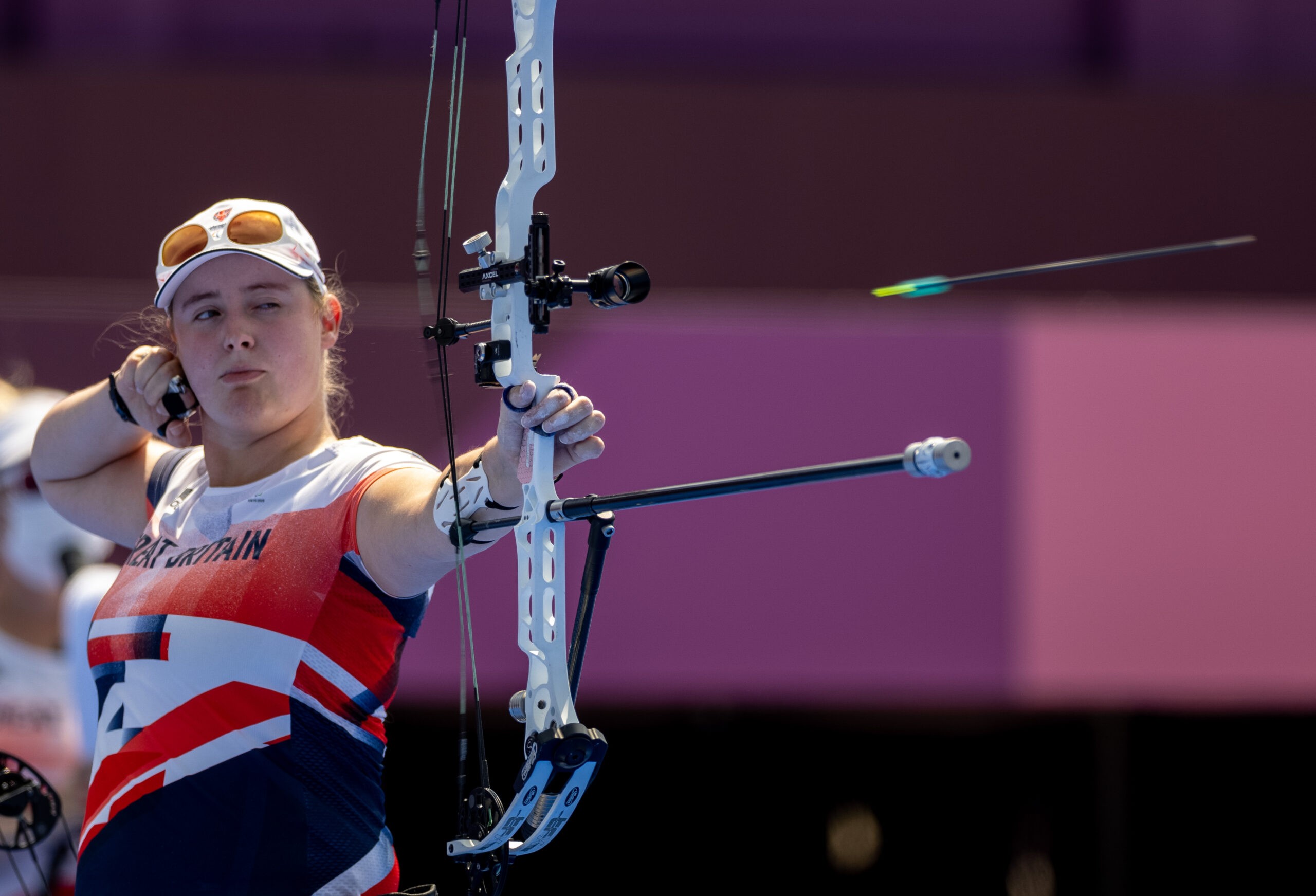
Some sports could reconfigure their events to suit these platforms. Archery is a good example. Under new rules, an athlete only has 30 seconds to make a shot which, given that the average TikTok lasts between 21 and 34 seconds, brings it within touching distance of being easily accessible – and digestible – on such platforms.
Research backs up Owen’s argument, with a study by the technological arm of La Liga, the Spanish football league, finding that viewers under the age of 34 followed an average of 6.3 sports and in total, viewed 65 different sports, a bigger spread than for older demographics.
Some of the changes sports have made are minor tweaks. Speedway and water polo are launching shiny new World Cup tournaments next year, the modern pentathlon has replaced the equestrian event with an obstacle course in the (possibly vain) hope of securing its Olympic future beyond 2026 and in handball, still one of the most popular sports in northern Europe, the maximum number of passes a team can take before relinquishing possession has been reduced from six to four. In the past two years, American Football and Major League Baseball have both changed their play-off format to (they hope) generate more revenue and boost TV audiences. And although we, as sports fans, can be a conservative bunch, we need to re- member that change is not inherently bad.
The rules, formats and regulations that have come to be regarded as sacrosanct were often the product of compromise, convenience and by situation and therefore, as Dunne sees it, if they need to be adapted because circumstance demands it, then so be it. “In 1991, after a World Cup which averaged just 2.21 goals per game, FIFA abolished the rule that allowed a goalkeeper to handle a back pass. They understood that this practice slowed the game down and encouraged time wasting. And I haven’t met a single fan since who thinks we ought to go back to how we were before.”
Other sports, like cricket, have opted to be more ambitious and take great- er risks. “When the three-on-three for- mat was launched in 2005 there was a real concern that it would cannibalise the audience for mainstream basketball [in which teams can use up to 13 players]. It hasn’t: three-on-three has become huge but the NBA is as strong as ever,” says Dunne.
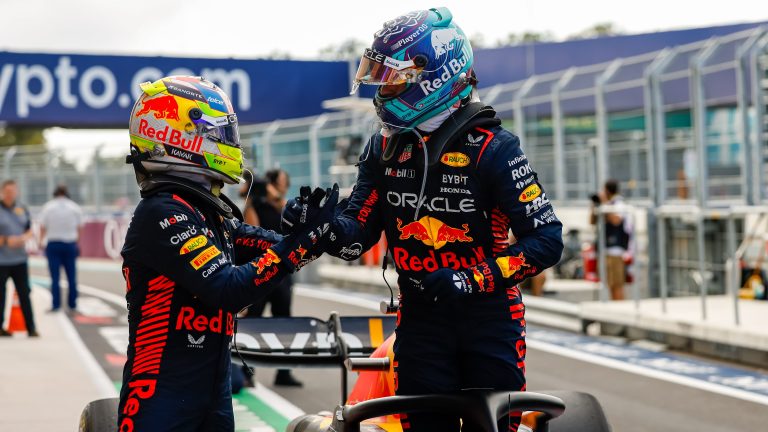
In some ways, the most audacious and successful reinvention in sport has not been a new competition but a new kind of programming. The ‘behind-the-scenes’ documentary Drive To Survive, which first aired on Netflix in March 2019, has been credited with transforming the image of F1 racing. With Hollywood production values, slick editing, genuine back- stage insight (in series 1, you actually see Daniel Ricciardo agonising over whether to leave Red Bull and join Renault) and a sense that this is an unfiltered (if somewhat glamorised) view of life inside F1, the programme has brought a whole new audience to a sport which has historically been more compelling in person than on TV. Skewed towards a younger audience, with a stronger appeal to women, the series is watched by millions who would never sit through a full Grand Prix but that doesn’t matter.

“In three years, Drive To Survive has done what Bernie Ecclestone tried and failed to do for 25 years: made America fall in love with F1,” says Dunne. The country will host a third Grand Prix in 2023 – with the new one, fittingly enough, being held in Las Vegas. “The new TV rights deal for 2022-2025 is worth between $75-90m a year, compared to $5m a year for the previous deal. Now you need to have a certain mass appeal to support such a model – the production costs for a series like Drive To Survive will run into tens of millions – but with that kind of increase in rights value, every sport will be looking at that option.
Indeed, golf and tennis have already announced similar programmes and many more sports will build documentaries into their media strategy,” says Dunne.
If you’re running a sport, developing your own documentary strand may seem like a no-brainer, but Owen cautions: “For the most popular sports, if your main broadcast partners will agree to provide extra content on streaming/social platforms, why not? But administrators will need to be certain that this will not under- mine the major existing contracts and preferably add value by reaching a new audience, particularly younger viewers.
If your extra content generates revenue, you might be inclined to accept some cannibalisation of the TV audience but even if you have perfect data, that is a fine judgement to make.”
It is no coincidence that Owen equates ‘new audience’ with ‘younger’. The uncomfortable truth that keeps administrators awake at night is that sports fans are ageing. Research by Sports Business Journal showed that in America, the average PGA golf fan was aged 64 in 2016 (compared to 59 in 2006). The comparable figures for horse racing were 63 and 56, respectively, and for Nascar – America’s home-grown motor racing sport – 58 and 49. In other words, even for major sports, the need to reach out to different audiences on different platforms is becoming ever more acute. The apparent hyperactivity of cricket’s blazers may reflect the fact that, in the UK, one in four fans is in the 55-64 age bracket and only 15 per cent are under 25.
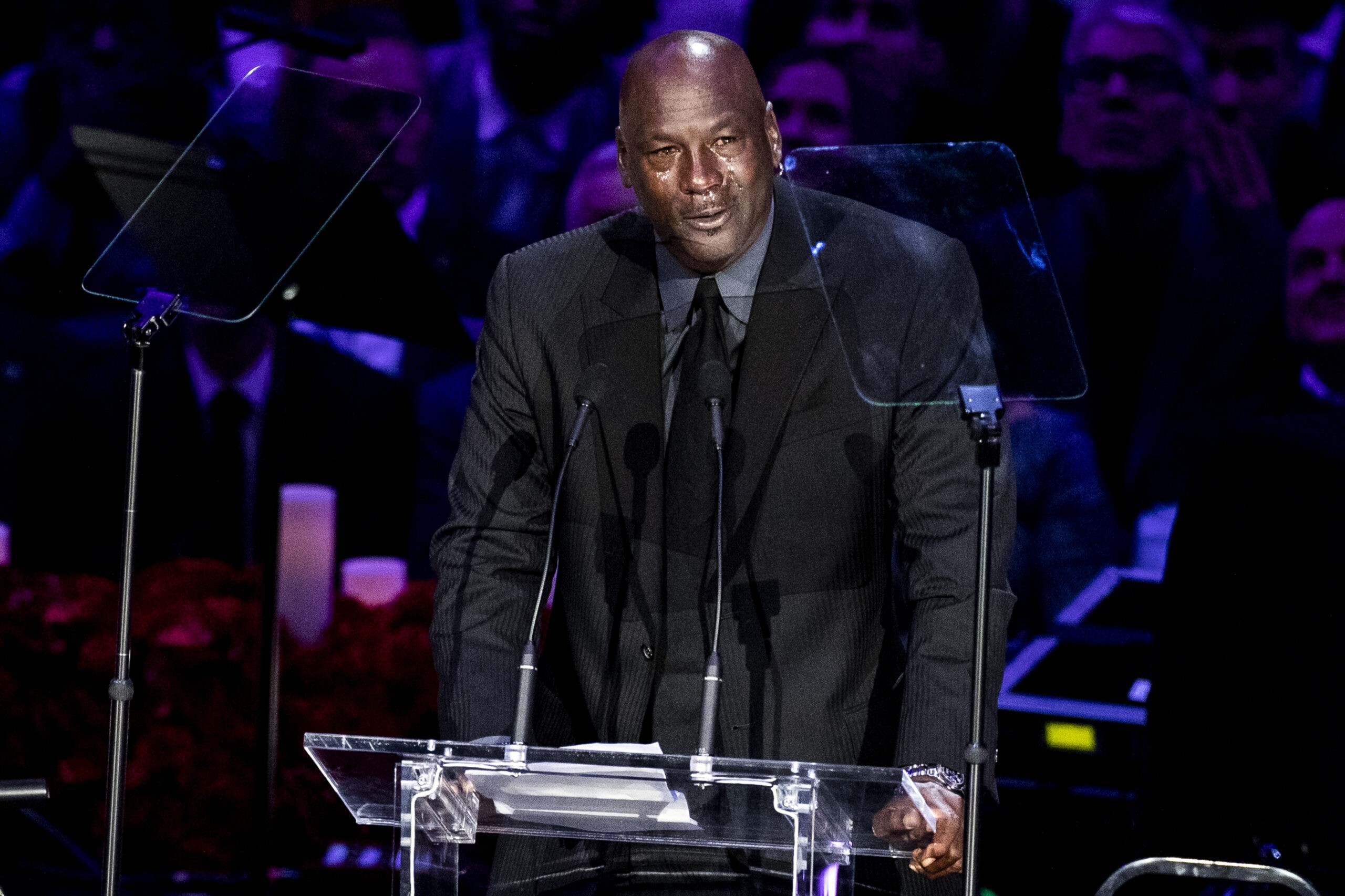
The buzz around Drive To Survive – especially in its first season or two – and the critically acclaimed Netflix production, The Last Dance, which celebrates Michael Jordan’s mighty Chicago Bulls – prompted talk that we have entered into the golden age of the sports documentary. That proposition will astonish anyone who has watched any of the All or Nothing series on Amazon Prime which, al- though showcasing such iconic teams as the All Blacks, Dallas Cowboys and Manchester City have, in terms of delivering content that wouldn’t get past the PR department, generally erred on the side of nothing.
Drive To Survive on Netflix has been credited with transforming the image of F1 racing. With Hollywood production values, slick editing, genuine backstage insight and a sense that this is unfiltered.
Even Drive To Survive and The Last Dance have their critics. F1’s reigning world champion Max Verstappen now refuses to be interviewed for the programme, arguing that, by con- structing false narratives – particularly about the rivalry between drivers – it is turning into a docusoap. It’s a difficult dilemma for F1’s owners, Liberty Media, because the audience for the programme is still growing – the fourth series has been Netflix’s most watched show in 33 countries – but its melodramatic style has led to some mocking memes online, sowed some dissension within the sport and irritated many tradition- al fans.
Many of Jordan’s team-mates were disgruntled by their portrayal in The Last Dance. Scott Pippen was particularly vitriolic, saying in his memoir Unguarded: “Every episode was the same: Michael on a pedestal, his team-mates secondary, smaller, no different to when he referred to us back then as ‘my supporting cast’.” America’s most famous documentary maker Ken Burns, noting that Jordan’s production company was involved in the series, described it as “not the way you do good journalism – or good history.”
When the first Olympiad was staged in ancient Greece, probably sometime in the 12th Century BC, there was no doubt that demand for sport exponentially exceeded supply. More than 3,000 years later, is there a danger that supply will soon disastrously exceed demand? As Dunne says: “The one thing we do know is that sports will do what they have to do to make money. So things like bigger goalposts, longer ad breaks, Super Leagues are constantly under discussion.”
By that logic, why should FIFA only hold a World Cup every four years?
Why not every two. Heck, if the market can stand it, why not every year, like the European Nations League? It has already got to the point that comedian David Mitchell has mocked the pro- fusion of fixtures – and the demonic urgency with which these games are presented on TV, proclaiming: “It’s impossible to keep track of all the football but your best chance is here on Sky 4. Thousands and thousands of hours of football each more climactic than the last, constant, dizzying, 24-hour, year-long, endless football, every kick of it massively mattering to someone presumably.”
At the moment, some sports are getting high on petrodollars – but many aren’t. The International Olympic Committee has already put three sports on its naughty list – weightlifting, boxing and modern pentathlon – meaning that unless they are deemed to have pulled their socks up they may not feature in the 2030 Olympics. Boxing has other ways of making money although its pay-per-view revenues are under pressure — but can weight- lifting and the modern pentathlon survive without the $15m the Games are estimated to generate for them every four years?
Is TikTok the answer? Or a distraction? Can an all-singing, all-dancing app ride to the rescue? Or will a behind- the-scenes documentary strand do the job? How do we appeal to Gen Z, let alone to Gen Alpha? (If you’re wondering what Gen Alpha even is, it’s people born in 2010 or after.)
These questions are well beyond most governing bodies’ traditional fields of expertise. Most of them were founded in an age when every item on the agenda could be decided in a smoke-filled room by a select cabal. The only concession some of these organisations made to transparency was to stick a mirror in reception. The fact that we can now watch sport on a dizzying array of devices is great for us but, at the moment, something of a headache for them. It is one thing for these bodies to envisage where their sport needs to be in five years time, but quite another to actually see them get there. As Saudi Arabia’s foray into golf – and a less publicised anti-trust lawsuit against FINA – swimming’s governing body – has shown, the blazers can’t even rest assured that they will retain control of their own sport.
The world’s biggest team sports do not face such an existential challenge.
Yet. But even for a sport which looks to be booming – such as football – all is not as rosy as it seems. The growing popularity of football in the Middle East and Asia – and of the women’s game – has helped to mask a decline in participation rates in Europe and North America. As sports industry analysts consider participation rates an early indicator of a sport’s future, this looks ominous in the long term.
There are also concerns that the growing competitive imbalance in major leagues – especially in England, France and Germany – will alienate younger viewers. Bayern have won the Bundesliga for the past decade, PSG have won eight out of France’s past ten league titles while in the Spanish league the title has not left Barcelona or Madrid since 2004. At first glance, England’s Premier League looks more competitive but the gap between first and last in the table last season was 71 points and a goal difference of 134 compared to (adjusted for three points for a win) 33 points and a goal difference of 34 in 1975.
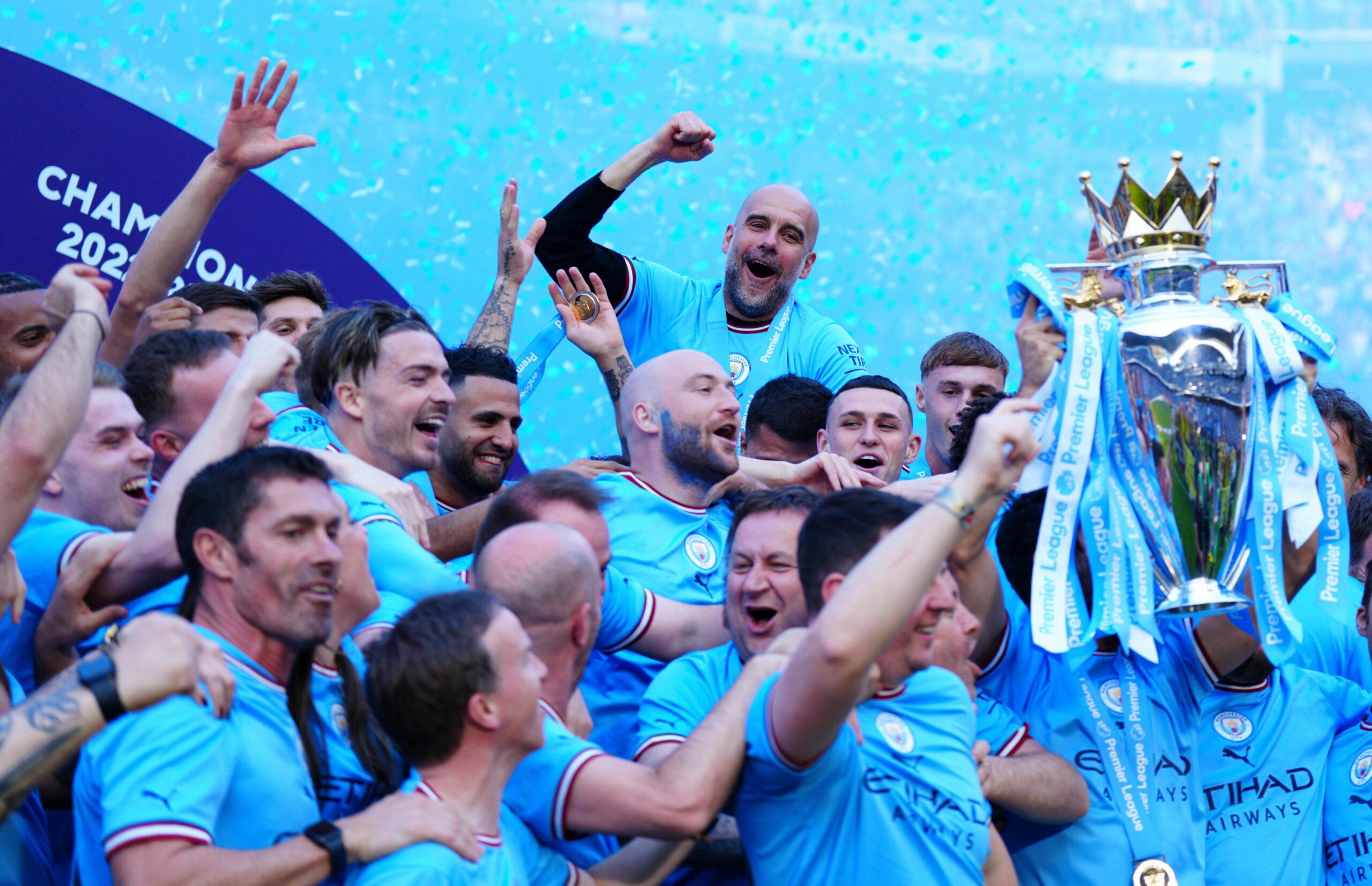
Over the next ten or 29 years there is always the risk that a ruling prince in Abu Dhabi, Qatar or Saudi Arabia will decide that winning the UEFA Champions League every two years, or funding a new golfing competition is not the wisest use of their profits from black gold, especially as these countries’ greatest economic asset becomes less valuable in the global shift towards a net zero economy (a transition that will also cost them billions of dollars.)
Looking ahead, it is also inevitable that the war for our attention between broadcasters (both traditional ones, new streaming services and digital platforms) which has driven up the value of sports rights reverts to the mean over the long term. Indeed, at some point the irresistible force of rising rights costs will meet the immovable object of our growing reluctance to pay more money to watch our favourite sport or team.
How long can it be before someone – an administrator, a media company, a sponsor, club owner or a sovereign wealth fund – experiments with ways to make a sport more smartphone-friendly?
Putting such imponderables aside – and taking Dunne’s point about sport’s financial needs – the greatest risk may well be that bedazzled administrators ruin the very things that make us like sport: the fact that it is unscripted, unpredictable and unexpected. Many fans, as the weekly soap opera about VAR has proven in England, also like the fact that it is not technological.
That constant quest for the elixir of younger viewers may lead administrators astray: given that more than half of Generation Z and Millennials prefer to watch sport on their phone, how long can it be before someone – an administrator, a media company, a sponsor, club owner or a sovereign wealth fund – experiments with ways to make a sport more smartphone-friendly?
Quite possibly by breaking it up into smaller packages of content because, so the generalisation goes, Generation Z do not have the attention span to watch longer sports. (This is slightly contradicted by the Spanish football study which shows that they do watch longer events but also do other things at the same time, such as play games, monitor social media and post on fan forums).
Football fans are already familiar with the phenomenon of the YouTube player – the seven-year-old Brazilian wonder kid who performs miracles on a 20-second video clip but is mysteriously never heard of again – but what about a YouTube match? (Let’s hope that the people who run cricket aren’t reading this.) Even within F1, revived by Drive To Survive, some drivers and teams already fear it will turn the sport it was created to celebrate into a sideshow. And then there’s the Europe- an Super League which is not dead but dormant, ready to be revived by the kiss of a handsome – and more importantly, ridiculously wealthy – prince from, plucking a name at random out of the air, Saudi Arabia?
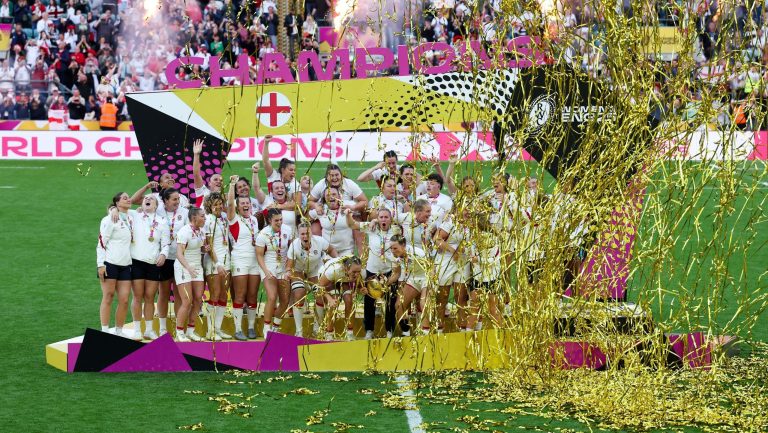
There is also the possibility – which is exciting many sports club owners and governing bodies – that the metaverse, in particular virtual reality, will effectively magnify capacity by making it possible for millions of fans to feel as if they are watching a marquee event such as the Rugby World Cup final even if they can’t get there. The only problem with this money-spinning scenario is that, as things stand, if you ask three experts when the metaverse will arrive, you will get three answers: “Sooner than you think”, “In ten years” and “Never”.
The prospect of such a revolution has prompted this vision of the future from one American sports analyst. He’s writing about football, but the principles could apply to most sports, although probably not tiddlywinks. “Soccer alone will no longer do the trick. The fan should have a memorable experience. They should be able to place bets with friends, drink a beer on the stadium terrace, to make a hologram of their favourite player, watch holograms of the mascots flying around the stadium and get real-time data on their favourite player or team.”
There’s much more in this vein but you get the drift. This “soccer plus experience!” – the exclamation mark is a bit of a worry – which he calls ‘footainment’, -will sound like heaven to some and hell to others. Johan Cruyff, one of the greatest footballers to grace the game, liked to say: “Simplicity is genius “and there is a danger that if sport loses its simplicity it becomes just another cluttered, confusing, only mildly satisfying experience.
Let’s hope that everyone inside sport heeds another of Cruyff’s maxims: “Before I make that mistake, I do not make that mistake.” Simplicity is genius. As Pot Black proved.