




Vicky Gosling Obe: Skiing, Surfing And Promoting Women In Sport
Vicky Gosling keeps busy.
The British Olympic Association board member and Chief Executive of GB Snowsport has recently become the Chair of British Surfing – tasked with creating a world class programme so GB can be competitive at the LA Olympic Games.
Alongside those roles, Vicky is Chair of the Rugby Centurions, a charitable organisation made up of rugby players who have gained 100 caps for their country.
And now, she is about to take on her next challenge – launching a mentorship programme that will help give young, aspirational females the skills, experience, and opportunities to be future leaders in sport.
We caught up with Vicky to find out more.
Can you tell us a bit about your career to date and current roles?
I’ve had an incredibly varied career to date in terms of breadth of experience. I started out in the military which culminated in being a Group Captain and Base Support Commander for a helicopter base in Oxfordshire.
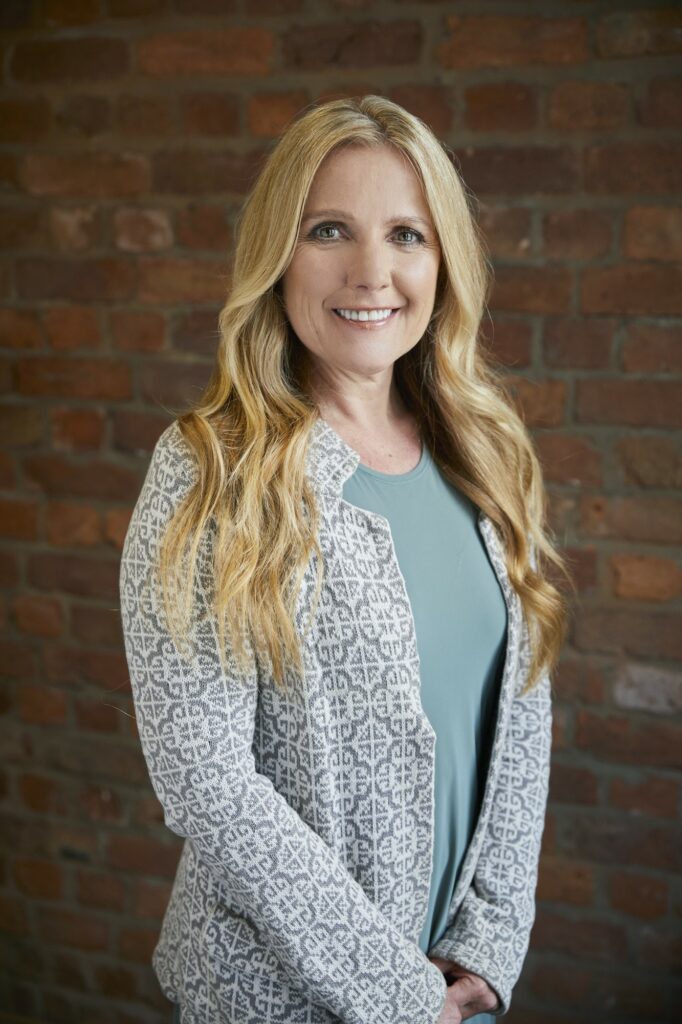
During my time in the military, I was known for establishing adaptive sport groups and finding facilities that could cater for and provide support for injured men and women. As a result, I was known as somebody who really understood the power of sport for recovery, and I was therefore selected by the Ministry of Defence to help set up what became the Invictus Games. I went on to became the Chief Executive of the second games in Orlando.
That set me off on a completely different career path and I first branched out into rugby, working with John Smit and the Rugby Centurions, which effectively brings together all the rugby players who’ve been capped 100 times or more, and creating a global social impact using their platform.
I then helped set up the Sage Global Foundation which was my first proper corporate experience. From there I went into help build what is now GB Snowsport as Chief Executive, and took the Olympic and Paralympic teams to the Winter Olympics earlier this year. I am also on the British Olympic Association Board and am Chair of British Surfing.
Away from sport, I am helping build a FinTech in the northwest which is centered around improving financial health and wellbeing for individuals who find themselves financially squeezed.
What work are you doing to ensure British Surfing can be competitive at the LA Olympic Games?
It’s about putting the right foundations in place to make sure that we nurture the talent we currently have, and the additional talent we find, and ensuring that they are given the right platform and the required support with regards to strength and conditioning, nutrition, physio, and just general performance coaching.
We also need to ensure that they have access to world class facilities so that the camps and competition structure we put in place will help them to grow and be competitive.
And then I think it’s very much about ensuring that we retain a very inclusive and diverse culture. So, as I say, bringing it back to the beginning about finding the talent, we need to make sure that we’re an attractive place to be.
We have to make it accessible, and we have to ensure that we’re taking down the barriers. And of course, investment and the right partnerships is going to be critical for this.
And what are the biggest challenges you face with this?
I think it will come down to two things.
Firstly, access world class competitions which are usually found in countries such as Portugal, Brazil and the USA.
And secondly, we need the investment to enable the surfers to access the international platform that is available. So, it’s a combination of access to the right facilities and training grounds, which we’ll probably largely find overseas, and funding in order to be able to afford and access them.
We are in a similar position with snow sport, so I can take a lot from my experience with GB Snowsport ahead of the Olympics and Paralympics in terms of access to mountain ranges, and utilising Europe as our training ground.
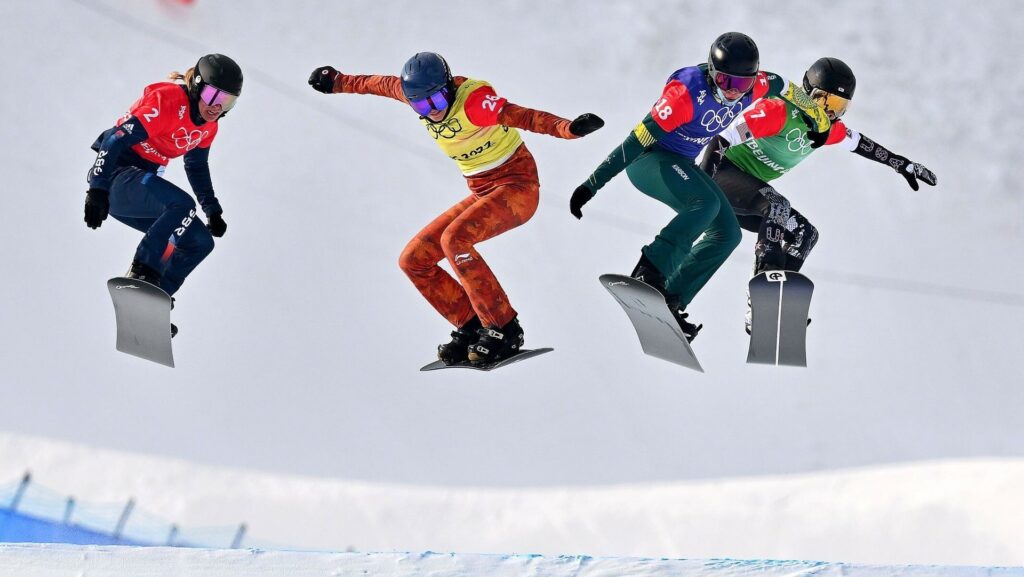
In roles at GB Snowsport and Chair of British Surfing, how do you go about generating interest and opportunity in sports that are not ‘traditionally British‘?
What we are seeing with the current young generation is that they find freestyle sports hugely entertaining.
We are a nation full of Brits with grit, and kids love the edgy sports because, particularly in the era of digital media. They are extremely attractive to Tiktok and other forms of social media that offer engaging and exciting content.
So, I don’t think it’s too challenging. Yes, the sports may not be ‘traditionally British’, but the reality is, they’re extremely attractive to the young British audience.
Can you tell us a bit about the new mentorship programme you are launching?
This is really a fun thing for me to be doing, and I feel it’s time for me to give a bit back. I really enjoy working with individuals who want to get involved in sport and administration, and I am excited to see what people can achieve with some support and guidance.
The mentorship is designed to create opportunities where I can use the platform I’ve built, the lessons I’ve learned and the experiences I’ve had. I have learned a hell of a lot through both good and bad experiences, and having been there, seen it and done it, and I’m now in a stronger place to be able to open up the door and hopefully help them on their journey to where they want to be.
I’ve already met the individuals and they’re great fun. They’re really talented, and they’ll bring a lot into sport, so I’m super excited about it.
What are the things you are looking for in someone to join the mentorship programme?
I think having the right mindset with a determination to succeed, a willingness to learn and explore and take a bit of risk. It’s far easier to help somebody that comes with that drive than somebody who doesn’t, and somebody who’s got the appetite to want to give things a go and want to succeed.
I like to operate with people who have shared values, a common sense of purpose and ability to approach things with an open mindset. One of the questions on the application was to identify an issue or area in sport and to give their thoughts for how it could be resolved. This gave me a real insight into each applicant and helped give an idea of which I might be most beneficial for.
Although you will initially only be mentoring three females, can this programme have a wider impact?
Yes, absolutely. It is fun to work with these three females, and although more does need to be done to make British sport more representative of British society, we are starting to see more gender diversity.
I often do support men in these environments as well and I want to see talented people from all genders advance. If there is ever a way I can help someone, then I will try to do what I can, whoever they are.
Looking back at your own career, what are the biggest lessons you have learned as a woman in sport and how will you take this into the mentorship programme?
I don’t think it’s about being a woman in sport, necessarily. I think it’s about the skills that I’ve probably learned from being in the military through having to problem solve, being adaptable when bumping into barriers, being mission orientated, being able to communicate, being able to listen and being able to lead.
These factors, some of them are probably innate, some of them are learned, and actually, I think taking those into sport, rather than being a female in sport has been quite key.
Looking ahead, do you see the programme growing further?
Yeah, massively, I think it’s got great potential. I always think there’s an opportunity for people, like myself, who have benefited from some exceptional opportunities to share their lessons through a mentorship and help the next generation get to where they want to be.
I would love to do more myself, obviously time permitting, and find a way to encourage others to do the same.