






What It Takes To Lead A Nation
Tom Young, psychologist and author of ‘The Making of a Leader’, considers the unique challenges that come with leadership in international sport.
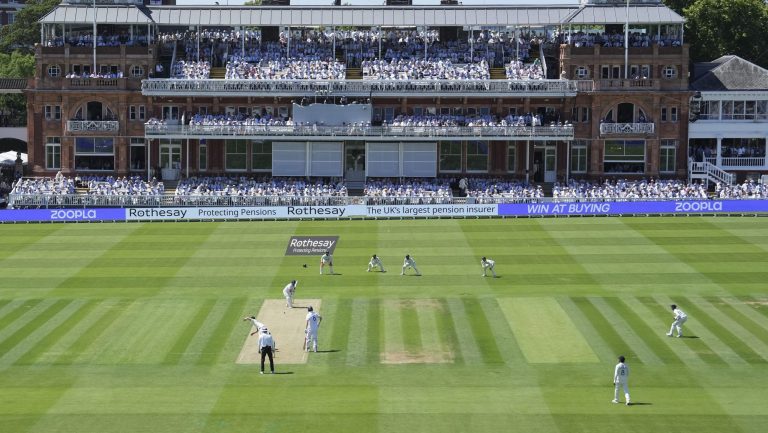
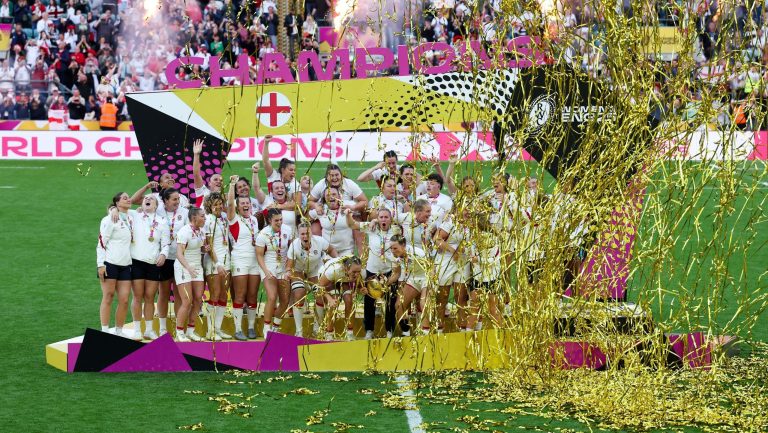
The end of 2022 has brought an abundance of international sport. The Red Roses fell agonisingly short against New Zealand. The men’s cricket team, inspired by Ben Stokes, overcame Pakistan to win the T20 World Cup. At home, Gareth Southgate has announced his squad for the forthcoming World Cup in Qatar, Eddie Jones’ team is under the usual scrutiny, and we enter the final stages of the Rugby League World Cup.
So, how does leading an entire nation compare to leading a club side on a daily basis?
The following passage is an excerpt from the book, ‘The Making of a Leader’, and features direct insights from:
- Stuart Lancaster – former England RFU Head Coach and now Senior Coach at Leinster
- Roberto Martínez – Head Coach, Belgium FA Red Devils
- Gary Kirsten – World Cup-winning Head Coach of the Indian cricket team
- Ashley Giles – former Managing Director of Men’s Cricket at the ECB
Club versus Country
Those leaders with experience of a range of cultures highlighted the differences they had encountered between international and domestic sport. Ashley Giles observed the demands of international sport, which is ‘much more transactional’, and referred to the intense scrutiny that comes with representing an entire nation: ‘If you don’t win you are going to get it in the neck.’ Giles compared this with domestic sport, where the coach has ‘much more time, as you should do. You are working with them all the time. You have the opportunity to try to mould them and improve them.’ A leader will always need to face the facts and respond to the cultural demands of a situation.
Roberto Martínez’s biggest challenge when taking his role as head coach of the Belgium national side was the same lack of time with the players that Giles refers to. Whilst the nature of the role did not come as a surprise, it is still in stark contrast to the day-to-day approach that Martínez has been able to apply consistently throughout his career at club level. This has led him to utilise a more ‘common-sense approach’ where he feels the need to prioritise a lot more. He tells me that ‘international football is about finding the priority that is needed in a specific camp and working with real clarity towards it’. With limited time on the field and with the players, a clear and streamlined approach communicates confidence and a sense of control to a squad bursting with talent.

During our discussions, Gary Kirsten drew on his contrasting experiences across the cricketing world. He describes leading a team in the affluent Indian Premier League (IPL), an intense, franchise- based, domestic competition, where the coach works with players from a cross-section of cultures in an environment where ‘there is less pressure externally but you have a massive responsibility to the owners who are investing huge sums of money’. He compares this with coaching international sides, where you find ‘there are greater stakeholders and bigger responsibilities, but there is a stability because you work with people for a long time’.
Specific scenarios will invariably throw up shifting priorities, but leaders, as demonstrated here by Roberto and Gary, possess an active level of self-awareness that allows them to flex their styles accordingly.
Stuart Lancaster describes the challenges of achieving cultural change at international level, as players who are used to competing against each other on the domestic stage come together to play for their country. ‘That sense of mates playing together is quite hard to achieve when everyone is fighting to be number one. Selection is a big factor in the dynamic. They all come from different clubs where often they are playing in big games against each other. So, people think at international level it’s easy, you pull on a shirt and it bonds you. It isn’t. Not at all. It takes a while to build together and experiences of good and bad times have a huge impact.’

Ultimately, elite rugby is a hugely physical, competitive and collision-based sport. The presence of intense club rivalries within an international camp dictates that conflict (physical and otherwise) is inevitable. The leader must manage this process, so that such conflict actually contributes to a healthy and competitive culture rather than detracts from it.
Achieving a cultural shift in a club environment, Lancaster continues, often occurs at a faster rate due to the fact that ‘you are working day in day out, week in week out, you are doing it for thirty- five weeks of the year and there is a real performance development impact you can make on individuals. If it’s young players, senior players, you name it, it is a player development and player performance role.’
He compares this with the nature of international coaching. ‘You have long periods of not coaching and nothingness because you’ve got no games, so you are waiting for the next games to come along. Then when you get the players, you’re organising them, you are taking the best players and organising them in a very short space of time. It is less about player development and more about delivering on a single day, and can be an unbelievable high, but the unbelievable lows when you lose as an international coach, you know, are tough to take.’
It is less about player development and more about delivering on a single day, and can be an unbelievable high
Lancaster’s words emphasise the emotional extremes of international sport, which are heightened due to the absence of a ‘next game’ mentality and the intense national profile. Often a team must linger on a single performance for a sustained period, harbouring emotions and thoughts without an immediate outlet, before having the chance to respond. This time period provides outside voices with a window of opportunity to scrutinise and debate the team’s performance and the leader’s decision-making, often to the frustration of the team. This combination of factors means that a leader’s own grit and resilience are tested in a unique way.
The Making of a Leader is available in shops and online now.
Find out more about Cognite Performance here