





women’s Cricket Needs Historic Wpl Investment To Trickle Down
Following the first weekend of the inaugural Women’s Premier League, Victoria Monk – Women’s Sport Lead at CSM – considers three critical factors in ensuring that the tournament’s game-changing financial investment results in long-term success for the sport.
In a hotel conference room in Mumbai, just a few weeks ago, 17 companies bid for a franchise in the new Women’s Premier League (WPL), producing the largest single-day financial injection in the history of women’s sport. The $572 million paid for the five teams was more than the men’s teams attracted in the inaugural IPL back in 2008.

To drive up this price, the BCCI held the broadcast auction beforehand with Viacom18 – which also broadcasts the IPL – securing the rights for $117 million, a shade under a million per game. In simple terms these figures make the WPL – a month-long and currently untested competition – the second most valuable women’s sports league in the world, behind the WNBA.
History suggests that a frenzied sale for a franchise competition in cricket’s biggest market is a precursor to irrevocable change. The challenge then is getting this change right not just this tournament, but for the health of the whole of the women’s game.
I see three potential fault lines which must be navigated to ensure that the WPL is a sustained step forward for women’s cricket.
FUNDS FOR THE FUTURE
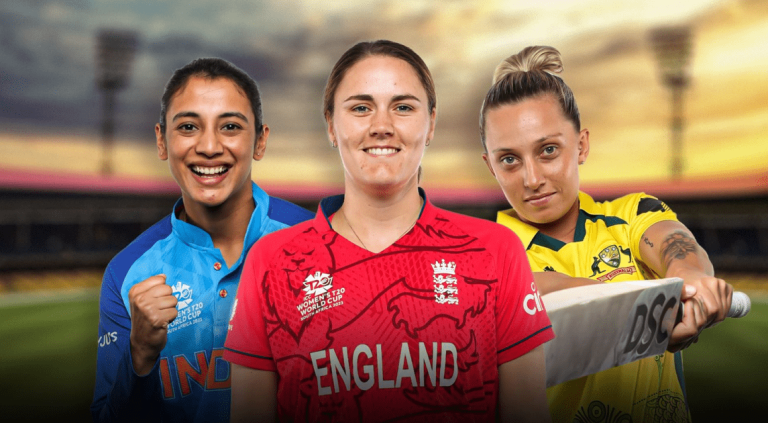
With a salary cap higher than the men’s Big Bash League in Australia, at $1.5 million per team, it was little wonder than more than 1,500 players threw their name in the hat. The auction did not disappoint, with England’s Nat Sciver-Brunt, Australia’s Ash Gardner, and local favourite Smriti Mandhana, all attracting bids north of $350,000.
The hope among rights holders will be that as salaries, interest, and excellence are taken to new heights the rest of the game is pulled up with it. For cultural, social, and economic reasons the rate of change surrounding perceptions of female athletes has been slower than in the UK or the U.S., but with the success of the Indian Women’s team and the introduction of the WPL this tide is turning. Going forward, in cricket’s biggest market – a potential gold mine for talent - young hopefuls, and first-time viewers, will instinctively associate women’s cricket with prime-time viewing, partisan crowds, high value sponsorships, and high-stake games.

While it is wonderful to see the top players in the world finally being paid well, the key now is to ensure the funds trickle down further. The number of top-tier women’s players is still small. There is therefore a risk that the same players will be playing across all competitions – from T20 through to international. Before long fans will become fatigued with the same players contesting the same rivalries, producing the same storylines. To negate this risk of the product becoming less compelling, the BCCI and other organisers must now make a concerted commitment to increase the talent pool, not just in India but globally.
SAME SAME BUT DIFFERENT
How best to use the older, bigger, and hugely popular brother, will have been front-of-mind for the BCCI since it first conceived the idea of a sister competition. Draw too little connection and momentum will gather too slowly. Create too much association and this new voice will be lost in the deafening din that surrounds the IPL.
As well as attracting new fans to the sport, it is also important that large swathes of the vast IPL fanbase are introduced and converted. The key to this conversion sits with the existing teams and their superstars. With three of the WPL franchises also competing in the IPL, there is a chance to create a narrative – and a fanbase – which knits the leagues together. Likewise, with Viacom18 owning broadcast rights to both competitions it can offer an equal platform and a sense of symbiosis through cross-promotion.
“How best to use the older, bigger, and hugely popular brother, will have been front-of-mind for the BCCI since it first conceived the idea of a sister competition. Draw too little connection and momentum will gather too slowly. Create too much association and this new voice will be lost in the deafening din that surrounds the IPL.”
VICTORIA MONK
This duality also offers enticing opportunities for partners to bring together talent, to shape this shared narrative, and to add to this sense of equal billing. You got a taste for the power of cross pollination when Virat Kohli – a modern day cricketing deity in India – shared with his 234 million Instagram followers his delight at news of his franchise RCB adding a women’s team to the billing.
The BCCI’s decision to opt for a tender process for partners indicates confidence that there is plenty of interest. What will be intriguing however is the calibre of the brands, the size of the deals, and how they choose to play it. While some brands will bridge the leagues, others will make the most of the clean air that the WPL has been afforded.

The Hundred has won accolades and fans by running its two leagues concurrently – the only elite domestic sport that has presented its men’s and women’s offerings on a completely level footing, creating a rare opportunity for brands that want to market with parity. However, the BCCI believes that the WPL needs – and is ready – to command its own attention.
The organisers feel certain that the appetite exists, and that the sport’s most valuable market is a nascent one. They will have seen the popularity of the curtain-raising women’s games at previous IPL fixtures and the 47,000 people who witnessed a thrilling Super Over victory for India women over Australia in Navi Mumbai in December.
BEING WISE BEFORE THE EVENT
The transformation of the men’s game over the past 15-years, since the inception of the IPL, should serve both as a source of excitement, and caution.
Women’s cricket is starting from a far lower base in terms of professionalism, investment, interest, and history, than the men’s game was before its shake-up. This means it is more vulnerable, and likely to feel more keenly the ramifications we can now see in the men’s game.
“This centralisation of influence, growing global inequity, club vs. country wranglings, introduction of new franchise leagues, and rising player power – live issues in men’s game – should form the agenda for a rights holder roundtable on the future of women’s cricket.”
VICTORIA MONK
The WPL’s significant financial injection, and subsequent expansion of opportunity and talent, will only further set India apart. Australia and England, with relatively deep playing pools and pockets, can hope to stay in touch, but what of the rest? From the men’s game, the tales of the West Indies – with its rich depths of talent hollowed-out by the franchise world – and Sri Lanka – being destabilised and debilitated by a political power struggle – should ring the alarm bells of inequity. Three teams playing competitively does not constitute a global game.

At present there is no mechanism by which the WPL finances can be distributed beyond the borders of India, outside of international players’ salaries, or the altruism of the BCCI. The same is true for The Big Bash, and The Hundred. This centralisation of influence, growing global inequity, club vs. country wranglings, introduction of new franchise leagues, and rising player power – live issues in men’s game – should form the agenda for a rights holder roundtable on the future of women’s cricket.
The men’s game was slow to sense the change, and too established to act on it. Here lies the opportunity for the women’s game to be wise before the event, making use of this foresight and its agility, to collaborate for the good of the game, not individual gain. These decision-makers must come together to create a global calendar of events that fits together, works for all, and supports long-term and wide-reaching growth.
In the WPL women’s cricket has a vital ‘see it to be it’ platform. The challenge now is to ensure that those future stars come from all around the world, creating a broad, competitive, and sustainable global cricketing landscape.
Featured Image Credit: Sky Sports