



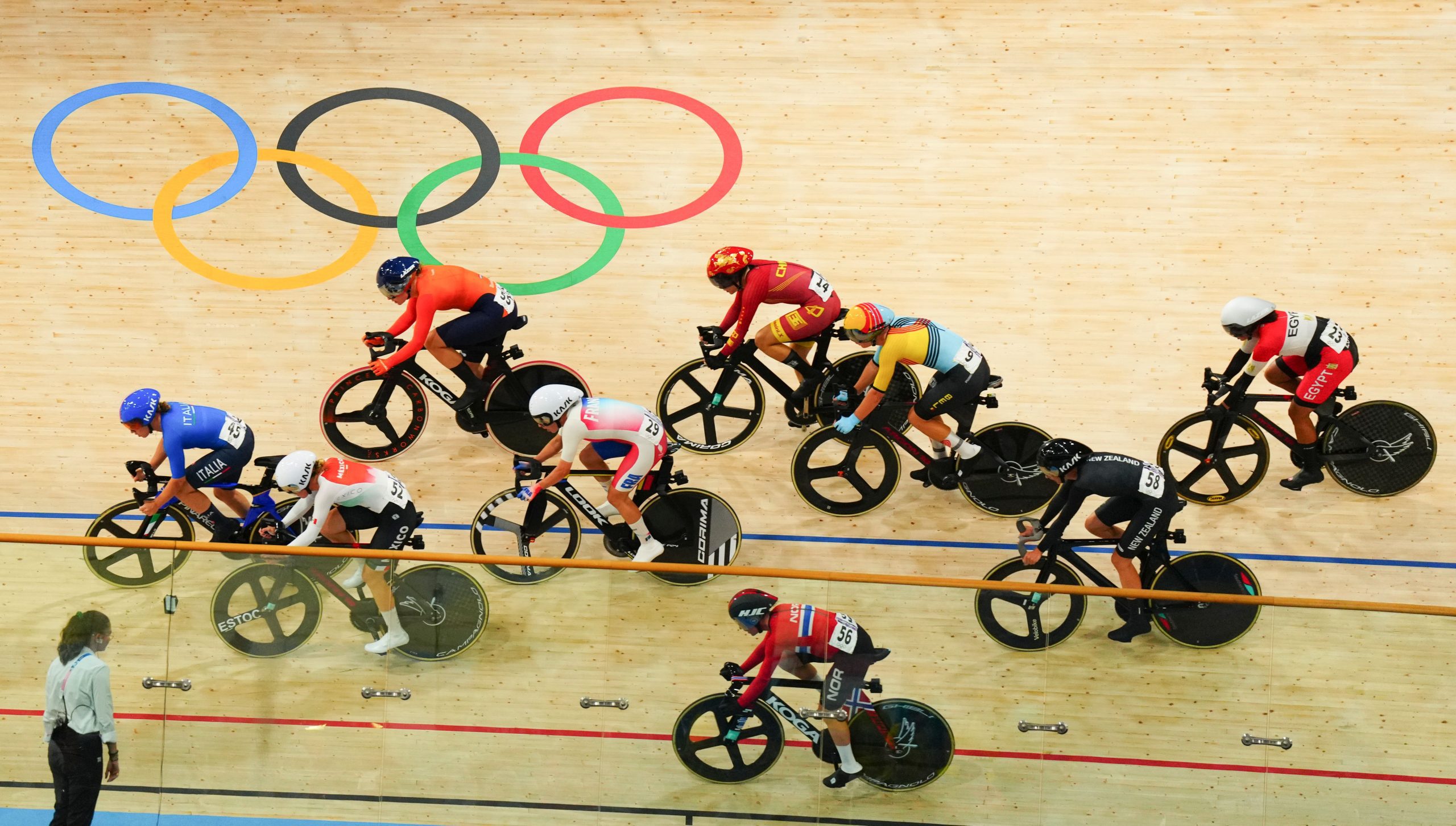
Balancing mental health and talent in young athletes

Kelly Richardson, Brand Director, Rocket Sports & Psychotherapist, BACP and BPS
Our young athletes are rightly celebrated for their successes, physical prowess, resilience, and ability to perform. However, behind this outward success lies a far more complex and often hidden challenge: the immense psychological pressure to meet expectations.
Be that from their coaches, families, the sport itself, or, for the most accomplished of them, their entire country. None of which is likely to match the battle they might have with themselves.
Most young athletes have been working towards a career in their sport from an unfathomably young age. How many of us decided our elite careers before secondary school? How many of us achieve elite careers? The most talented individuals are often spotted and followed early on. When athletic commitment and expectation become intertwined with identity, it’s hard to see beyond performance. The media interest and scrutiny that athletes achieve are byproducts of their sport, not their reason for competing. By default, they are often sheltered from the everyday experiences of adolescence that make us who we are, the good, the bad, and the behind the bike shed moments.
Does being an athlete make it easier to grapple with issues of self-identity, pressure, and emotional regulation? In my experience, being successful in your sport does not make it easier to navigate love, moreover heartbreak, or grief. Layer intrusive media scrutiny into the mix and being an athlete may intensify these struggles. Consider social media, for example, a tangled web of opportunity and risk for all young people. It seems to me that the naivety of youth and the desire to conform are not always afforded to our young talent. Something I hear all too often is, “If you don’t like it, then don’t do it.” Yet social media is now the preferred language of our young generation. This perspective oversimplifies a nuanced reality. Social media is a critical tool for many young athletes and it is not always about those performing at the peak of their sport, with agents who can monitor feeds. Many are aspiring, on their way up, travelling alone or on a budget. Many of their friends communicate through social media. What about being connected, and how do you grow much-needed commercial revenue if you keep your profile private? It’s complex and all too easy to judge.
Young athletes are expected to handle fierce media scrutiny, manage their social profiles, dismiss trolls and compete at the highest level, all while appearing calm, confident, and composed in their teens or twenties. In our perpetual curiosity as observers, conflicting messages are pervasive; we expect too much of these young people, then turn to therapy in our 50s to deal with our own issues that began at their age. We ask too much of them: be strong but not too strong, brave but not too bold, be vulnerable but not weak. Young athletes are still growing, learning, and navigating complex emotions despite their performances.
Athletes’ successes are often celebrated publicly, yet we speculate about their losses, career choices or futures without considering the physical toll of high-level competition, the risk of real threats, injuries, fatigue, and burnout. When the unique life of a talented young person becomes woven into the fabric of their identity, it can be hard to separate sport from life. Quite often, they are seeking something tangible outside of it.
In therapy, sport represents one part of the person, and it may or may not come into the conversation. We are a sum of our many parts, so what makes up the rest? What values are important, the role of friends and loved ones? Which parts of themselves need more care and attention? What resources can they draw upon off the field? These are the wins and losses we focus on. Being viewed as human first and an athlete second is vital, despite the tangled web of identification with their sport, team, or expectations. Working with the present moment and what keeps them grounded and happy can foster healthier relationships with their sport, themselves, and life in general. As we all know, we thrive when we are happy, kind to ourselves, and free from undue expectations. That is the real win.