

Beyond Match Day: Designing 365 stadiums for modern UK sport

‘Layrd Design’
Stadiums of the future must deliver value every day, not just on match days.
The most successful clubs are already recognising a fundamental shift: the transformation from traditional match-day-only facilities to dynamic ‘365 stadiums’ that serve as year-round community and business hubs.
This goes beyond simply hosting more events: it demands reimagining stadiums as versatile hubs, balancing multiple purposes with the unique atmosphere of football. The result: greater financial sustainability, deeper community ties, and optimal use year-round.
Design should enable seamless transitions: from match-day hospitality to conference facility or community event space, all without compromising atmosphere or functionality.
The Great Rethink
This shift demands more than simply booking a few more events. It requires fundamentally reimagining what a stadium can be – not just a football venue that occasionally hosts other activities, but a sophisticated community hub where diverse experiences unfold seamlessly within spaces designed to celebrate club identity.
This means considering acoustic requirements for business presentations alongside the celebratory atmosphere of match day. It means lighting systems that can create intimate dining experiences or bright, focused environments for conferences and events. It means furniture and layout solutions that can reconfigure quickly and intuitively.
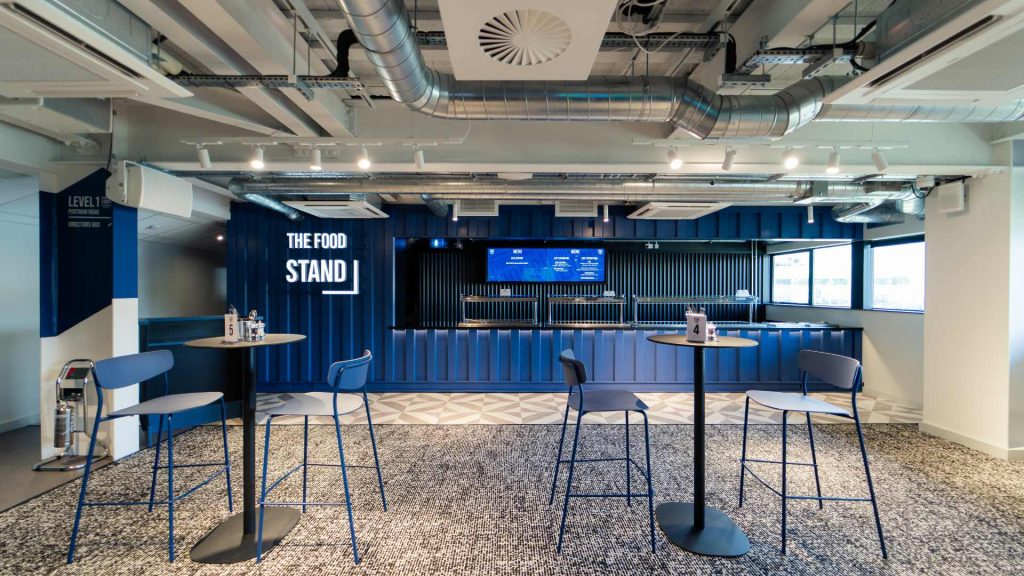
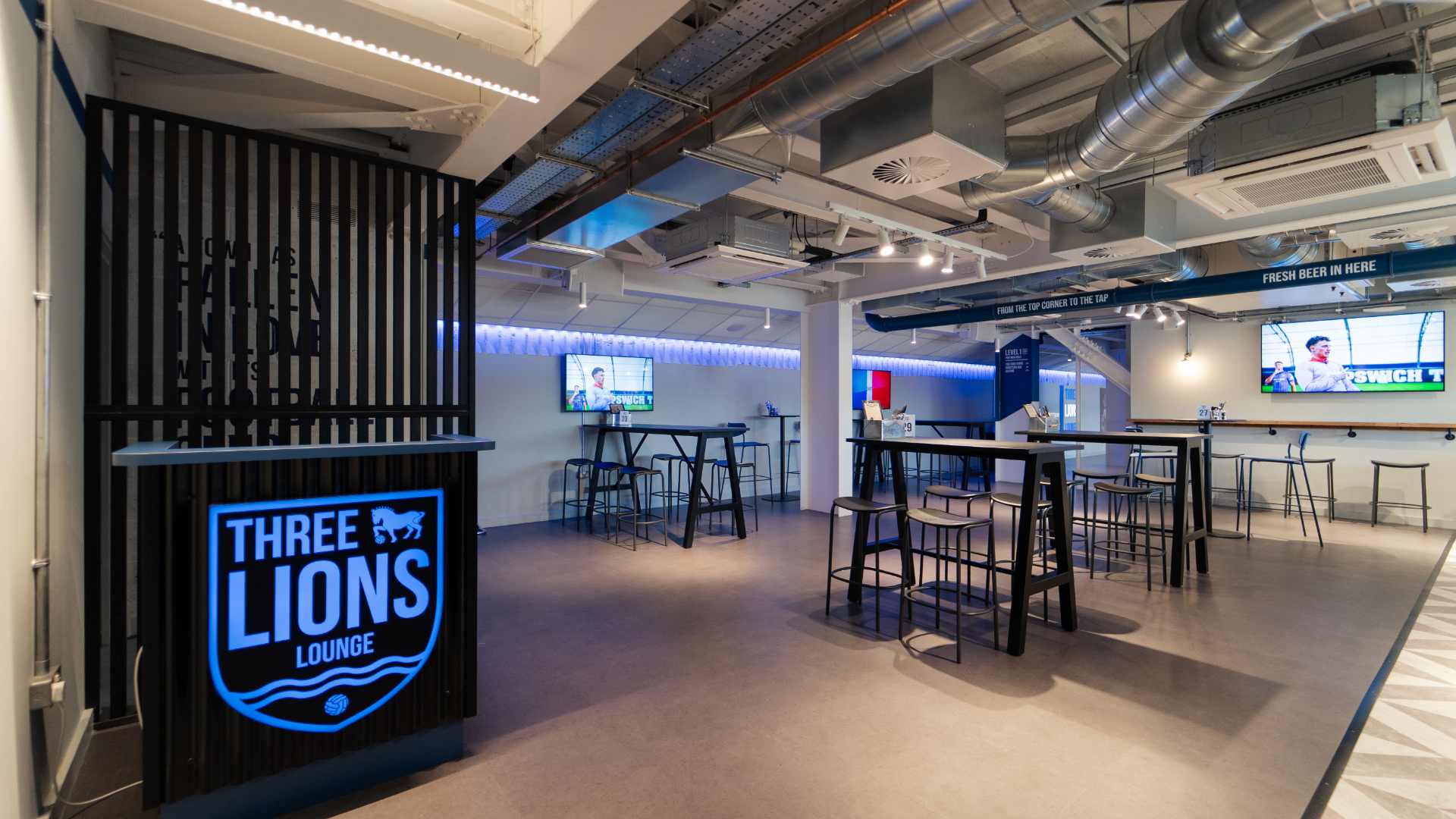
The most successful spaces celebrate football identity whilst seamlessly adapting to diverse uses – spaces where club heritage and premium functionality enhance each other rather than compete.
Engineering Adaptability
Creating truly flexible environments means solving fascinating design challenges. How do you craft lighting schemes that can shift from match-day excitement to boardroom focus at the touch of a button? What furniture systems allow rapid reconfiguration? How can acoustic solutions be optimised for the respective noise levels of matchdays and quieter meetings?
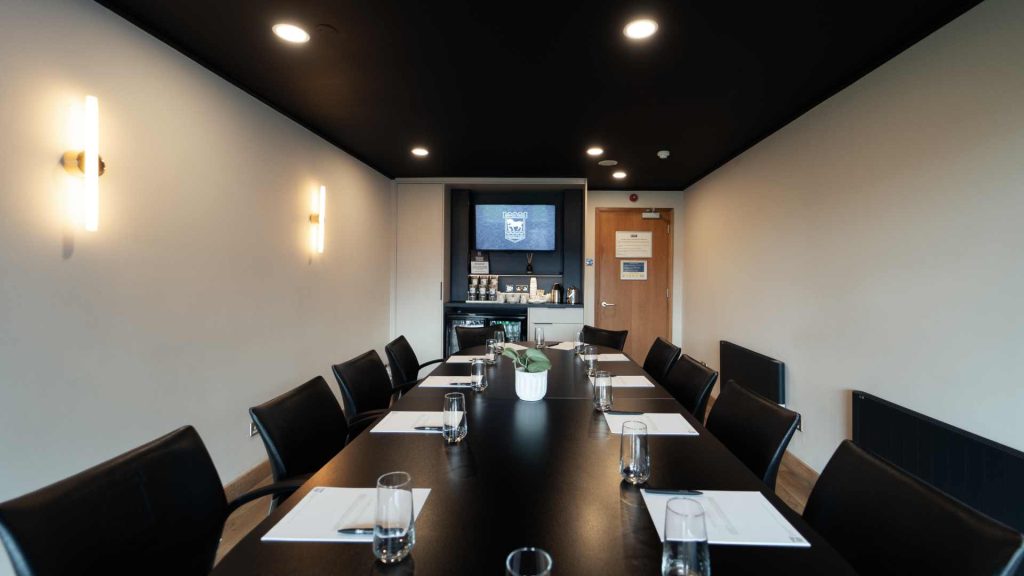
The solutions emerge through strategic thinking about modular design, smart technology integration, and careful attention to the subtleties of atmosphere creation. Successful spaces use design elements that subtly transform character – perhaps through adjustable lighting temperatures, movable acoustic panels, or furniture that serves multiple purposes while still looking slick.
Technology Integration
Intelligent systems are becoming the invisible engines of venue adaptability. Advanced lighting controls don’t just brighten or dim spaces – they fundamentally alter mood and purpose. Audio systems seamlessly transition from match commentary to presentation support. Booking platforms integrate multiple revenue streams while maintaining service standards across diverse event types.
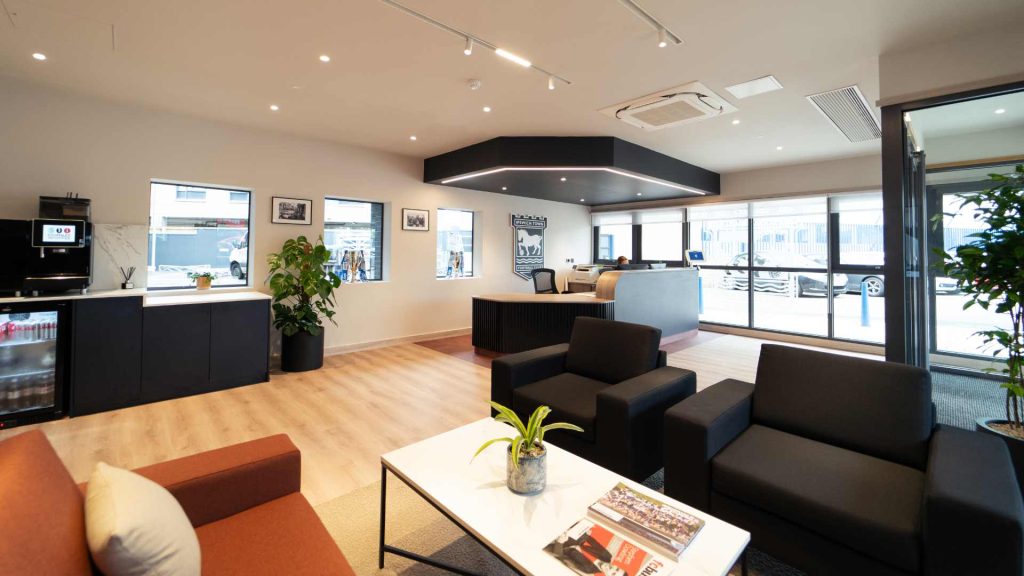
The most sophisticated venues are embedding flexibility into their very DNA, using technology not as an afterthought but as the foundation of their operational strategy.
Rooted in Community
The most successful stadiums will be those that become genuine community assets rather than functioning exclusively as football facilities. This requires design thinking that celebrates local identity and culture whilst creating spaces sophisticated enough for high-level business use. Regional materials, locally-inspired design elements, and partnerships with area suppliers don’t just reduce environmental impact – they create venues that feel authentically connected to their communities.
The Sustainability Imperative
Beyond the obvious environmental benefits of maximising existing infrastructure rather than building separate facilities, a versatile stadium design represents a more fundamental approach to sustainability. These venues create employment opportunities beyond match day, support local supplier networks, and reduce the need for communities to develop additional commercial venues.
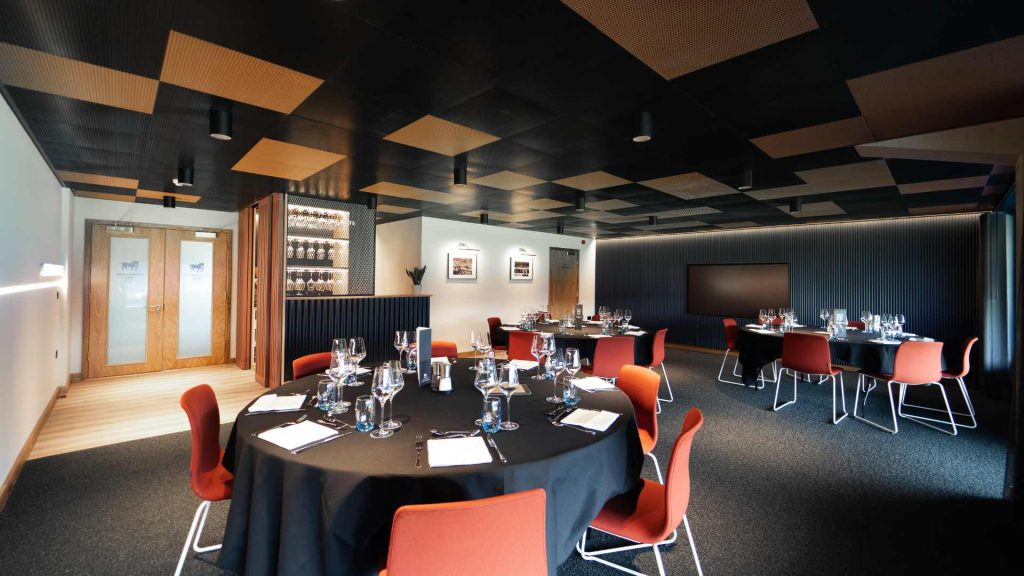
Smart material selection, energy-efficient systems, and design for longevity become crucial considerations when spaces must perform multiple functions daily rather than occasionally.
Overcoming Design Challenges
Creating truly flexible venues requires solving complex design puzzles. How do you maintain brand identity across different uses? How do you manage the practical challenges of rapid reconfiguration?
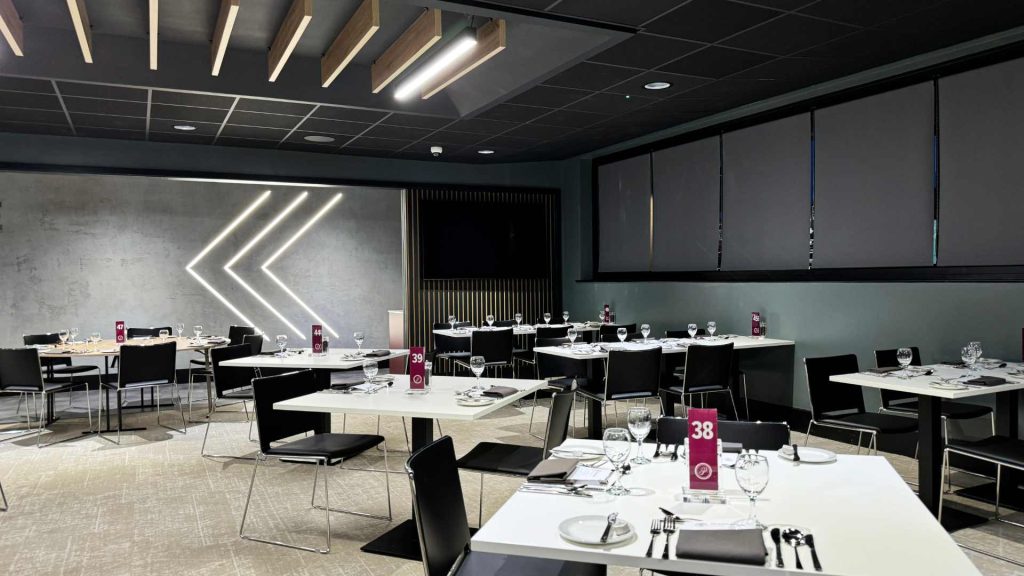
The answers lie in strategic zoning, modular design thinking, and careful consideration of sight lines, acoustic treatment, and lighting design. Successful venues use subtle design cues and adaptable elements that can shift the perceived character of environments without requiring major physical change.
The Competitive Advantage
Clubs that successfully create a venue that works for 365 days of the year gain significant competitive advantages. Beyond obvious revenue benefits, these venues become powerful tools for sponsor engagement, community relations, and brand building. They create year-round touchpoints with key stakeholders and position clubs as not only entertainment providers but key business hubs.
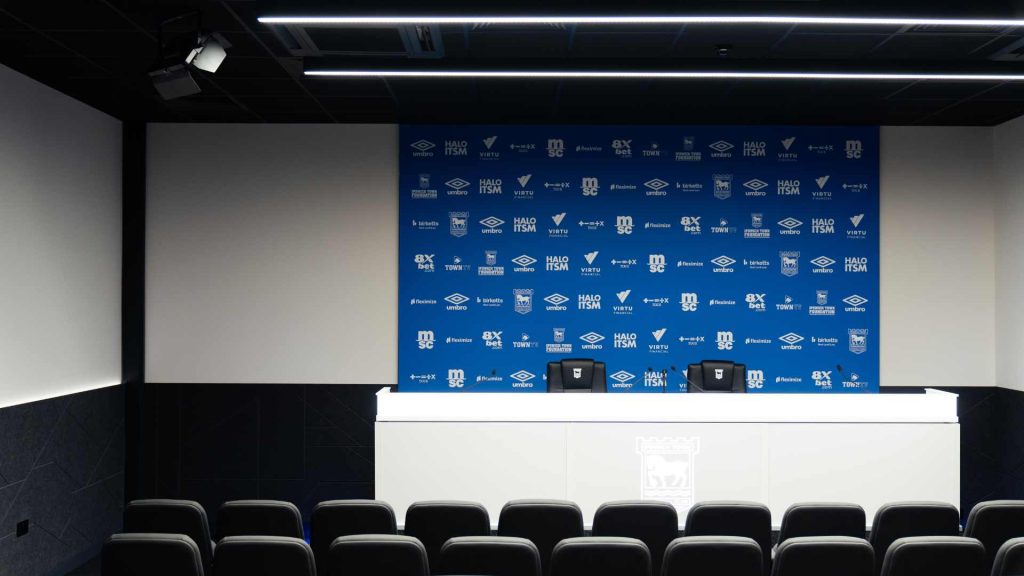
The 365 stadium concept represents the future of UK sport venue development. As the industry continues to professionalise and communities expect greater value from major sporting investments, venues that can adapt, transform, and serve multiple purposes will become the standard rather than the exception.