




![SIBC_3[28]](https://sig-staging.ypstagingserver.com/wp-content/uploads/2016/09/SIBC_328-768x515.jpg)
Education Needed To Help UK Esports Market Flourish
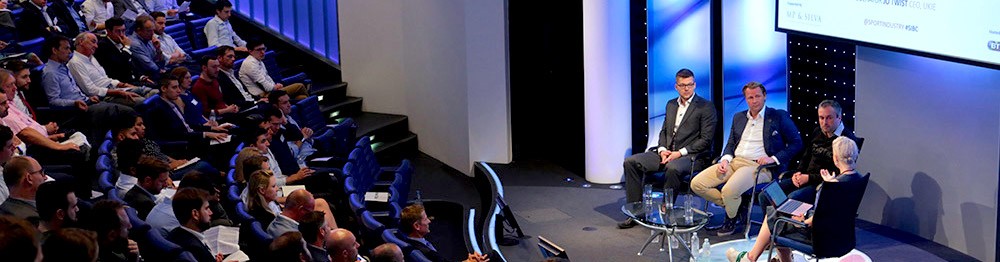
eSports is still yet to reach its full potential in the UK sport industry, and has plenty of room to grow, according to an expert panel at this morning’s Sport Industry Breakfast Club, supported by MP & Silva.
The panel featured Wouter Sleijffers, CEO of Fnatic; Chester King, CEO of International eGames Group; and Hannes Kranich, eSports specialist at DraftKings on the panel, offering insight into a sport that draws in millions of online viewers, as well as an increasing number through traditional broadcasters and sold out venues around the world.
The discussion – moderated by Jo Twist, CEO of UK Interactive Entertainment – saw the panellists agree that more and more brands and agencies will embrace the sector as understanding improves, with the average age of the eSports consumer continuing to rise year-on-year.
Sleijffers commented: “Countries like South Korea have all sorts of brands supporting eSports, and if you look closer to home at countries such as Sweden, eSports is being covered in mainstream media and news outlets alongside more traditional sport. It’s about changing that perception and willingness from all areas of the industry.”
“We’re working on grassroots at the moment, there’s some fantastic lifeskills and intrinsic rewards that come with gaming,” said King. “Children are playing these games instead of watching TV because it’s rewarding, as well as developing cyber skills. There are certain games that are better for you than playing chess, and would you ever get a parent saying you’re playing too much chess?”
“There’s an education process that we’re working on as an industry, and that’ll lead on to more British talent. People in this room can have a massive influence on that as well.”
Speaking of the UK market, Kranich added: “It’s very much a growing market. Obviously one of the reasons for that is that the UK eSports fanbase is still getting older and older each year. People growing up with eSports are extremely loyal, and we’re seeing more and more people getting into eSports when their kids starting playing it. There’s a stigma about games that you just stay at home wasting your time, but as soon as people spend a bit of time to understand that world their mind soon changes. It’s become much more socially-acceptable in the past couple of years.”
Sleijffers added: “Some events can hit over 100 million viewers, with up to 30 million concurrently. It’s 24/7 and digital-native, so distribution is very simple and allows for causal viewing because there’s so much content out there. There are a lot of opportunities for development and eSports still has a lot to learn.”
King, who has over 20 years in the sports market, laid down a challenge for the UK sport industry, commenting: “Personally, I don’t think the marketing of the live streaming in eSports hasn’t been good enough. I think traditional sports do a much better job at engaging with fans, and there’s a great opportunity that brands that have already got involved are finding. For example, Intel do an event with ESL in Poland – 100,000 people watching it live, with 25 million watching it online. For brands and agencies who understand the opportunity, there is a real chance to engage with that audience.”
“It’s baby-steps, but the key thing is the acknowledgement of the skills you can gain from eSports, if it’s played in moderation.”

Asked by Jo Twist why brands seemed slightly more hesitant to get involved with eSports in the UK, compared to the rest of the world, Kranich commented: “It’s a natural progression. Wider brands, such as Samsung in South Korea, are starting to get involved around the world, and I have no reason to believe the same won’t happen in this market.”
While the panel agreed eSports had lessons to learn from more traditional sports, it concurred that traditional sports could also take some lessons from eSports.
King concluded: “I think the biggest difference between live experiences in eSports and traditional sports, is that we’ll have a shoutcaster (commentator) in the room who incredibly add to an atmosphere, which boosts energy in the crowd. I’ve been blown away by the buzz in the room, just from people watching a screen. It’s really engaging, why not bring it into live sport?”
The Sport Industry Breakfast Club is the industry’s number one networking event series with four content-led networking breakfasts over the course of the year. Each event welcomes up to 200 guests from across the industry for an interview with a panel of leading figures from the world of sport and business.
The Sport Industry Breakfast Club is supported by MP & Silva, the leading international media rights company, and takes place quarterly at The BT Centre, St Paul’s, London. For more information, click here.