





Hannah Mills: Why Sport Must Embed Sustainability Into The Competition
As we head into the home stretch of SailGP Season 2, Olympic sailor and SailGP’s Global Purpose Ambassador Hannah Mills gives her thoughts on why sport must embed sustainability into the competition.
Sport is waking up to its responsibility and opportunity – it has the power to change the world and use its influence for good for its fans, partners and venues. We should all be now well aware that there is a climate crisis, with a small window to avoid the very worst impacts. This means we all need to play a role and step up.
We need new thinking, new ways of working and positive steps forward. It’s not enough to simply tell people that the world is burning, we need to play a role in creating and inspiring a better way to do things. For me that includes a better way for sport to operate.
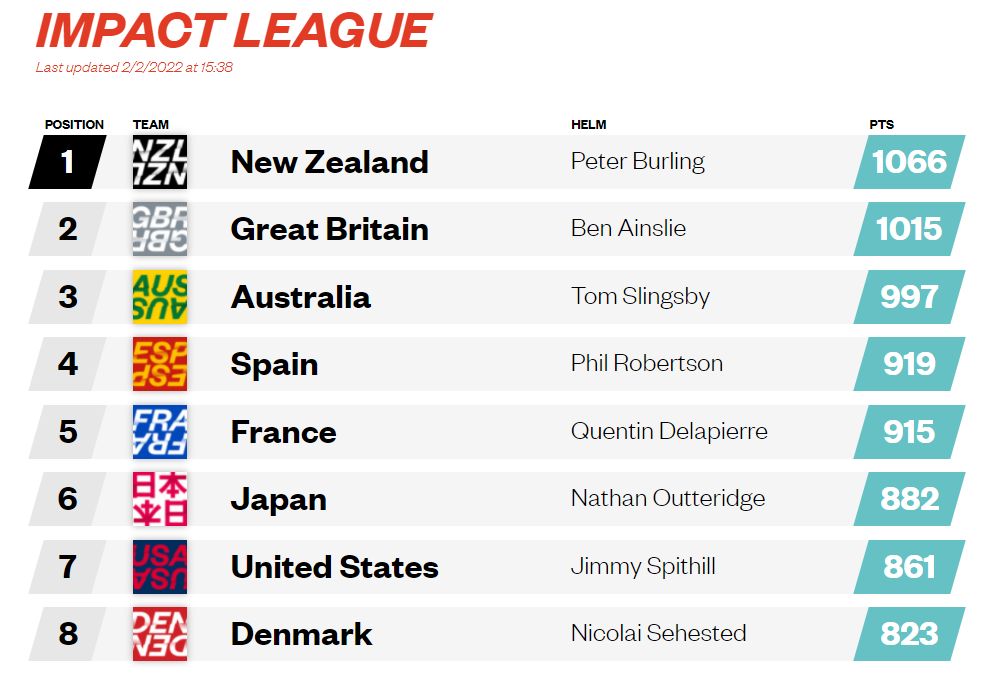
I’m lucky to have been part of such a change in sailing – SailGP’s Impact League. My team and eight international SailGP teams compete across 10 key sustainability criteria, ranging from pioneering new clean energy technology solutions to waste reduction, to diversity and inclusion and using the team’s voice for good. This is the first time a sport has recognised and then rewarded sustainability action by its athletes and teams.
Writing on these pages in July 2021, Director of Purpose and Impact, Fiona Morgan, heralded the launch of SailGP’s Impact League, and I’m here as an athlete to give my view from the inside.
I’ve had the chance to be a part of some brilliant initiatives and collaborate across teams to drive meaningful change. From working with the Great Britain SailGP team’s Purpose Partner, STEM Crew, to helping young people access new digital learning resources, to innovating with the way the team eat less red meat to becoming the first female SailGP sailor in Cadiz, Spain.
I’ve seen other teams pioneering equally innovative programmes to save endangered wildlife and cut out single use plastic. I can applaud their work, whilst also being characteristically competitive to win. That’s the genius of the league – it leverages all of our natural competitive spirits for good. I’ve seen the behaviour and mindset changes of the teams in just a short space of time, cutting their carbon footprints and developing initiatives to cut single-use plastics that can scale up and have a significant impact on the plastic we find in our oceans.
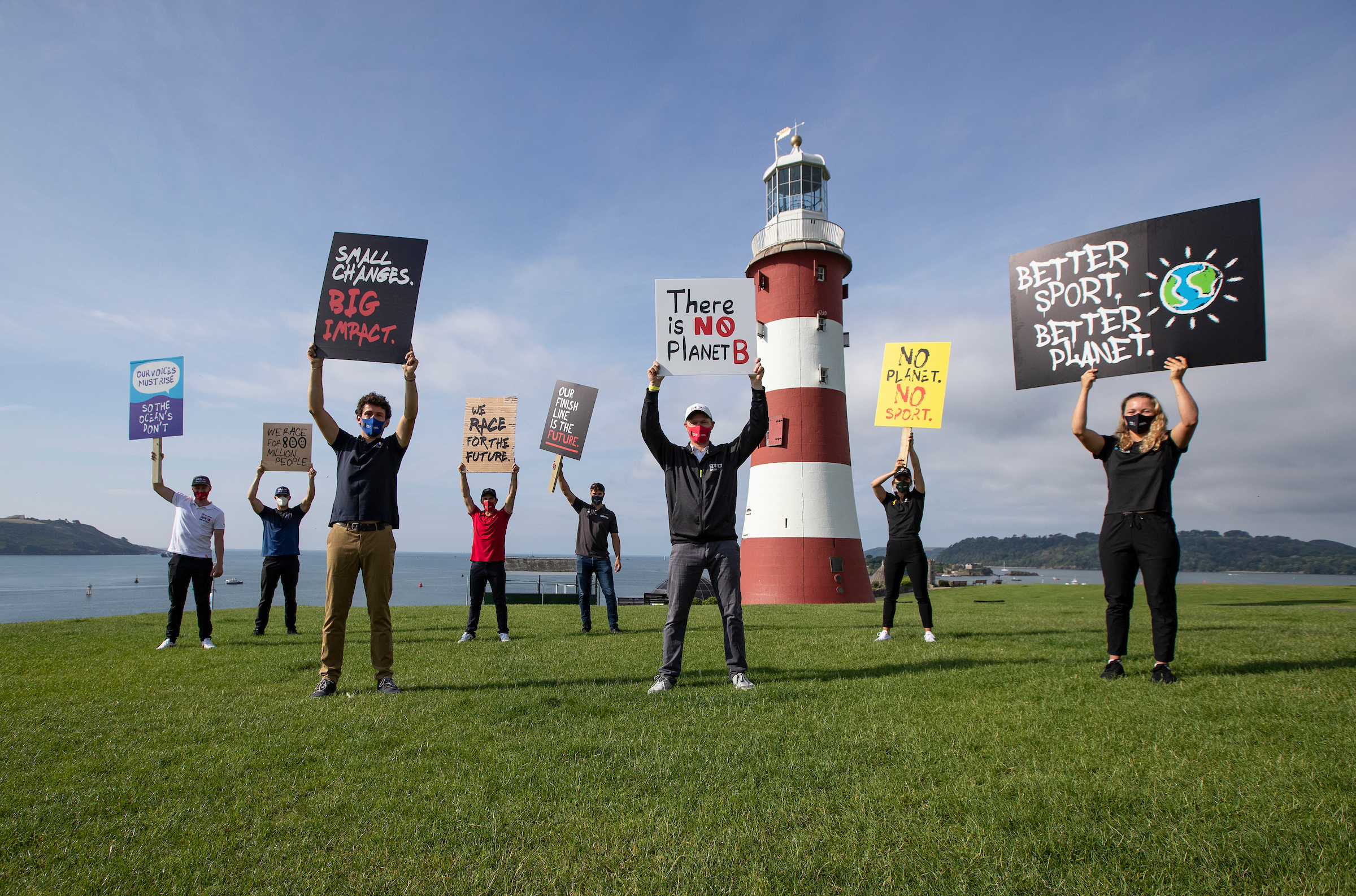 On the 26th and 27th of March in San Francisco, at the final race of Season 2, there will be two podiums – one for the Season Champions and one for the Impact League Champions. The winning team will earn $100k funding for their purpose partner, the organisation that has supported and advised them throughout the season. This is an historic moment in sport and a remarkable sign of the times that should inspire other sports to put the same emphasis on sustainability and act.
The concept of sport being a force for good is nothing new. But the idea of making it part of the scoring system and essential to the fabric of the sport is.
My teammate, Sir Ben Ainslie, spoke recently about how the Impact League has broken down the lines between collaboration and competition.
He’s right, but it’s done more than that. It’s changed the expectation of what it means to be an athlete.
If we don’t make meaningful change, the environments that we use for sport now – like our racetrack in SailGP, which is the ocean – could be unrecognisable and even unusable in a generation’s time. So, making bold, meaningful change now is an imperative for everyone who loves sport.
As athletes we must do more than simply what’s expected. We must change the expectations we set.
We need to be flagbearers for sustainability action and accountability. Sharing our successes, challenges and solutions transparently. Even going outside of sailing and exploring how the Impact League model could be applied to other sports.