



How MCC is future-proofing a 200 year old stadium

Stuart Dunlop, MCC
Since entering the world of professional sport in late 2022, I have been encouraged by how much conversation there is about sustainability and climate action.
Mention the words ‘net zero’ in a meeting, and you will often see heads nod in recognition – which shows how far awareness of the climate battle has come.
It feels like a large number of sporting organisations within the UK have a net zero target, but the fact is, as time passes on, and those deadlines loom ever closer, the conversation and goal-setting phase is coming to an end, and we are now at the point where we need to start implementing change.
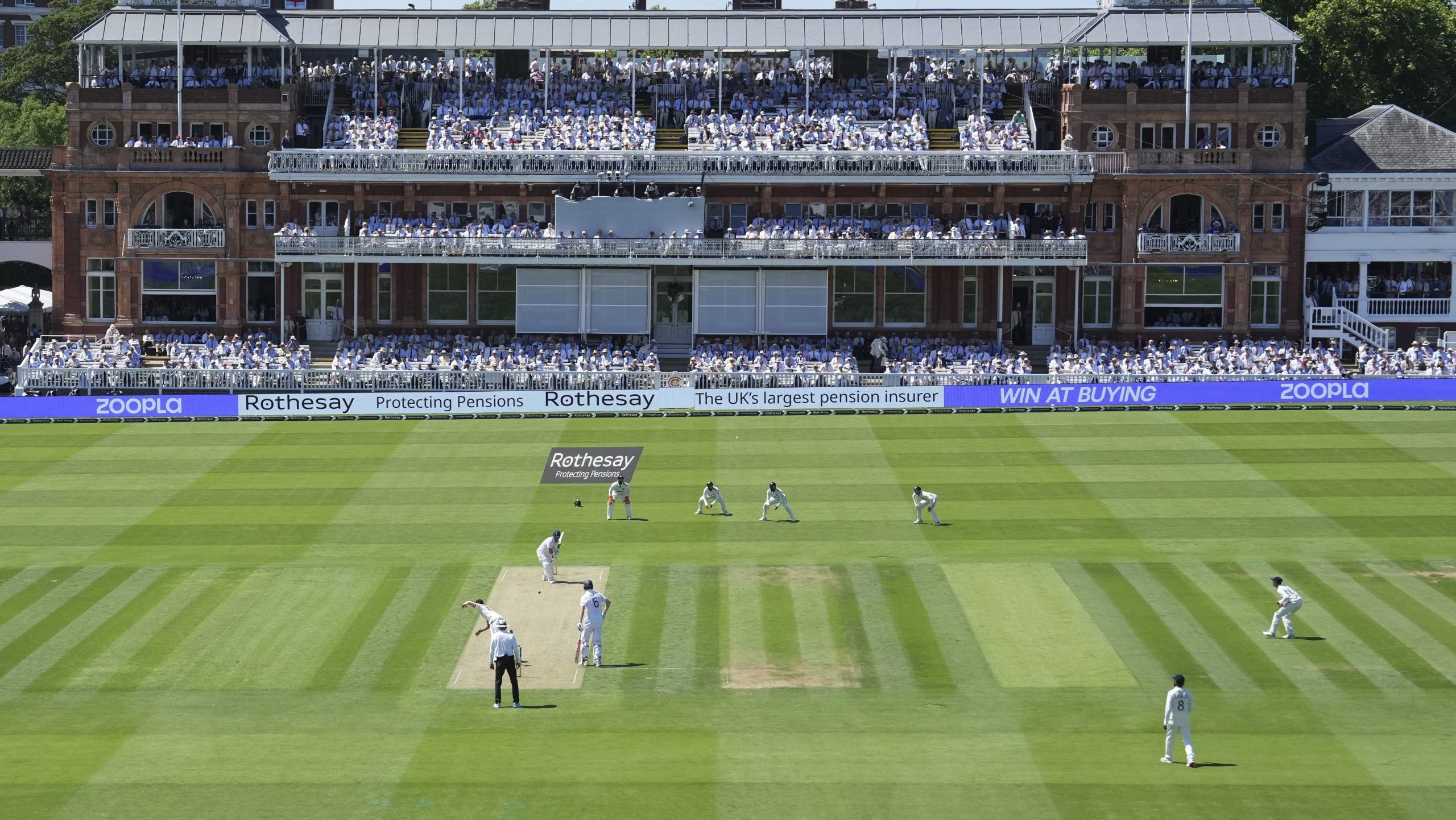
Fortunately for me, sustainability has been on the agenda for a long time at Lord’s. We were the first sporting venue in the UK to hire a full-time sustainability manager back in 2009, but of course, there are always going to be significant challenges when you are trying to ensure that a ground that has staged cricket for over 200 years is able to do so for the next 200 years.
That is why MCC has launched its Carbon Impact Report today, on World Sustainability Day, in order to track our progress as we head towards our targets of being carbon neutral by 2030 and net zero by 2040, if not earlier, in accordance with the UN Sports for Climate Action Framework, of which MCC is a signatory.
What makes me proudest about the work we have undertaken over the past few years is that we are going further than just stopping at the low hanging fruit – we’ve become the first cricket ground to map a full Scope 3 carbon footprint, meaning we’re now accounting for everything from our suppliers’ emissions to fan and business travel. It’s a big job, but it’s the only way to understand our true impact and make meaningful change.
We have also seen major emission cuts year-on-year, with last year’s Scope 1 emissions (as defined by the Science Based Targets Initiative) – i.e. emissions that MCC is directly responsible for – having decreased by 4.5%, building on the excellent progress we have made across the past 16 years.
So, what physical changes have we made to get there?
The Lord’s estate is a hub of activity throughout the year (yes, even during the winter!), and footfall at the Ground is increasing all the time. It is therefore important that we ensure that we can manage energy-usage at Lord’s more efficiently. We now have Building Management Systems which cover 70% of the Ground, giving us much better control over heating, cooling, and lighting – and ultimately reducing wasted energy.
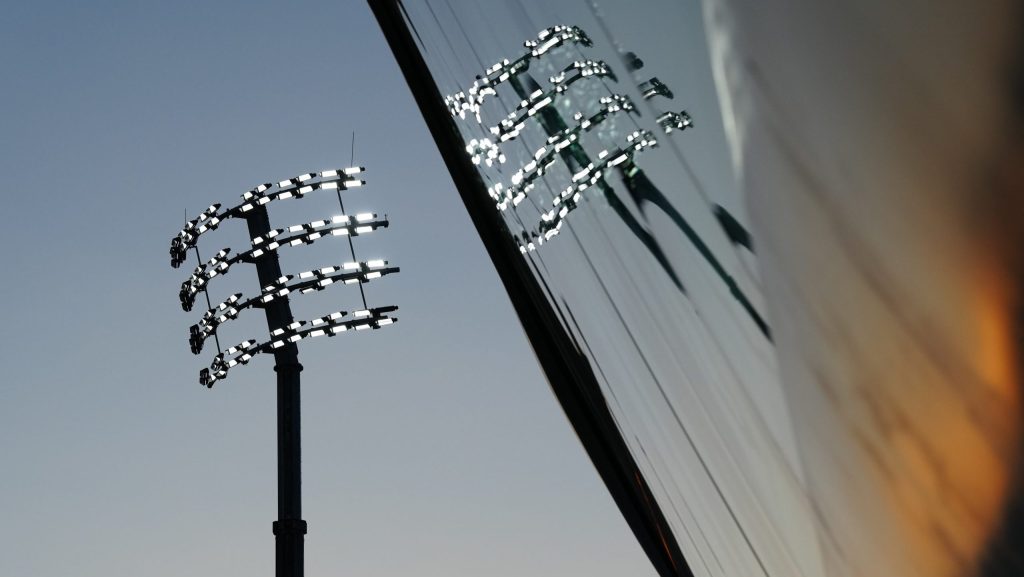
We’ve also started work to decarbonise the historic Pavilion and Memorial Block buildings, aiming to remove our reliance on fossil fuels. We also became the first men’s Test ground in the UK to switch our floodlights from halogen bulbs to the more efficient LED, meaning that even those dramatic late finishes don’t come with a hefty carbon cost.
Our business travel emissions have decreased by 17.5%, largely thanks to an increased usage of public transport.
But we are well aware that we’re not perfect.
The fact is that the climate is already changing at a considerable rate. The heat levels we experience during the summer made it clear that we have some shortcomings – but we’re making sure to address them.
We were delighted to host the ICC World Test Championship Final for the first time last season, and even more ecstatic that South Africa and Australia put on an excellent contest. However, as the sun shone gloriously down on the Home of Cricket, we noticed unprecedented demand for water and, as a result, long queues for our water fountain stations across the Ground. We are, therefore, investing in ten new water fountains (to add to the 30already in place) and upgrading our infrastructure to increase flow rates. It’s a practical change that will make a real difference on hot matchdays.

Additionally, we are significantly investing in more shading for hotspot areas where it’s hard to avoid the sun, while also looking into misting options.
Of course, environmental sustainability is only one part of our wider ESG(Environmental, Social, and Governance)strategy. The MCC Foundation continues to do incredible work representing the values of the Club – from community outreach programmes to youth cricket initiatives – ensuring that Lord’s remains a force for good well beyond the boundary rope.
As someone who walks through the Ground every day, seeing the blend of history and innovation side by side, I can say with real confidence that we’re not just protecting a venue – we’re protecting its future. And that, to me, feels every bit as important as the cricket itself.
View MCC’s Carbon Impact report here.