
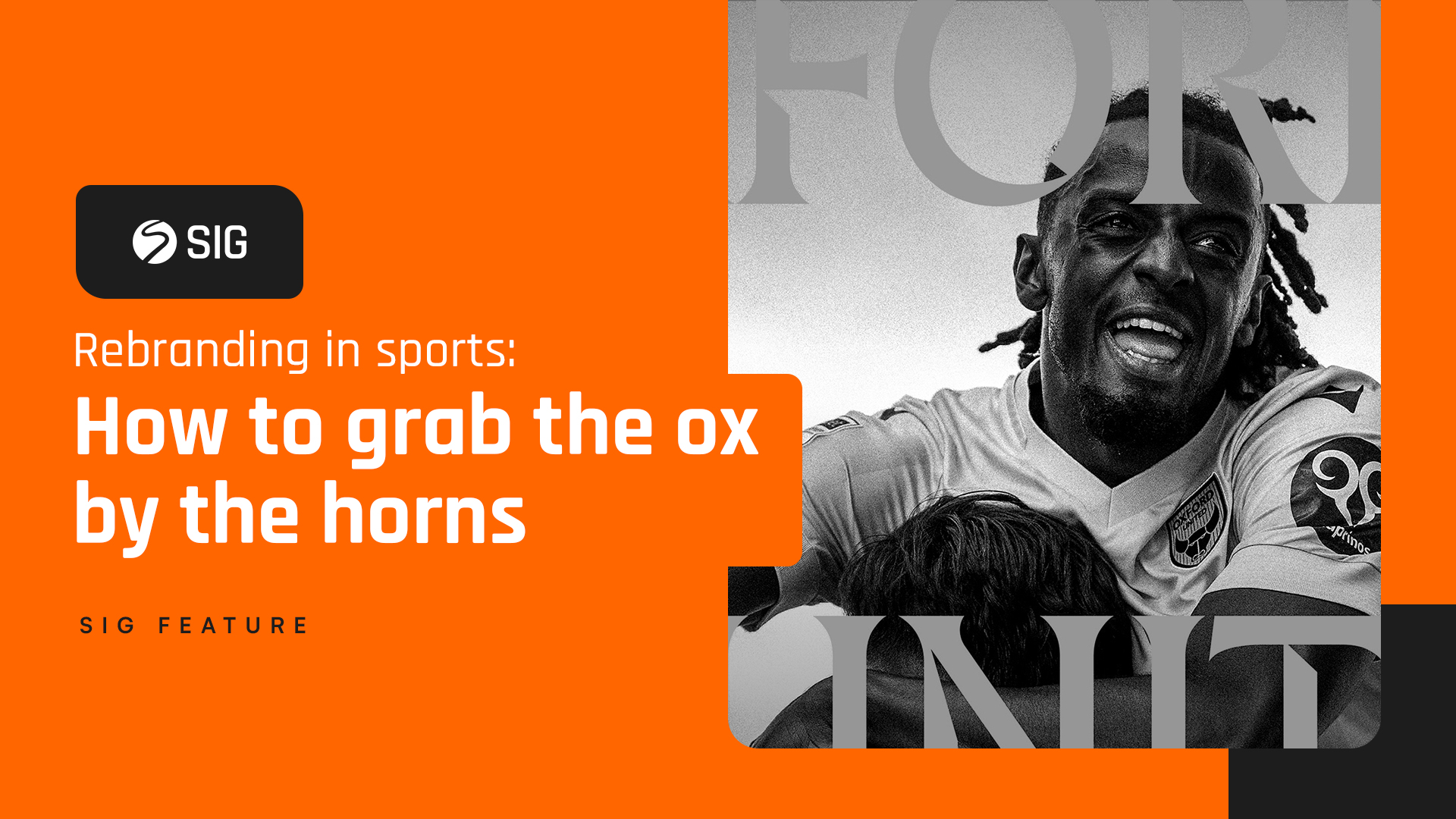
Rebranding in sports: How to grab the ox by the horns
Since the start of the 21st century, the sporting world has gone through a transition of visual change, as teams, leagues and governing bodies serve more than just matchday services to their respective stakeholders...
Across the UK, stadiums and arenas have become entertainment hubs rather than simply fields of play. Fashion and lifestyle culture have become an integral part of sports clubs’ identities. Consequently, clubs are changing their crests from traditional coats of arms to minimalistic, slick logo designs.
As UK sports teams increasingly turn their attention to previously untapped international markets, brand awareness is a huge metric, as teams compete to win over fans from across the globe, having your identity innately recognisable is invaluable. Subsequently, this makes sports teams with a clear and global identity look all that more attractive to potential new sponsors.
2025 has been a year that has seen lots of visual change for some of the UK’s biggest rightsholders. The Six Nations rolled out their new ‘6N’ rebrand at the start of the year. Liverpool launched their latest ‘creative approach’ inspired by the Liver bird in February. London Lions entered a ‘new chapter’ with their logo redesign in July. Matchroom Boxing also unveiled their remastered brand in the Summer and most recently, Saracens launched their new ‘The Original Club of North London’ tagline and identity in September.
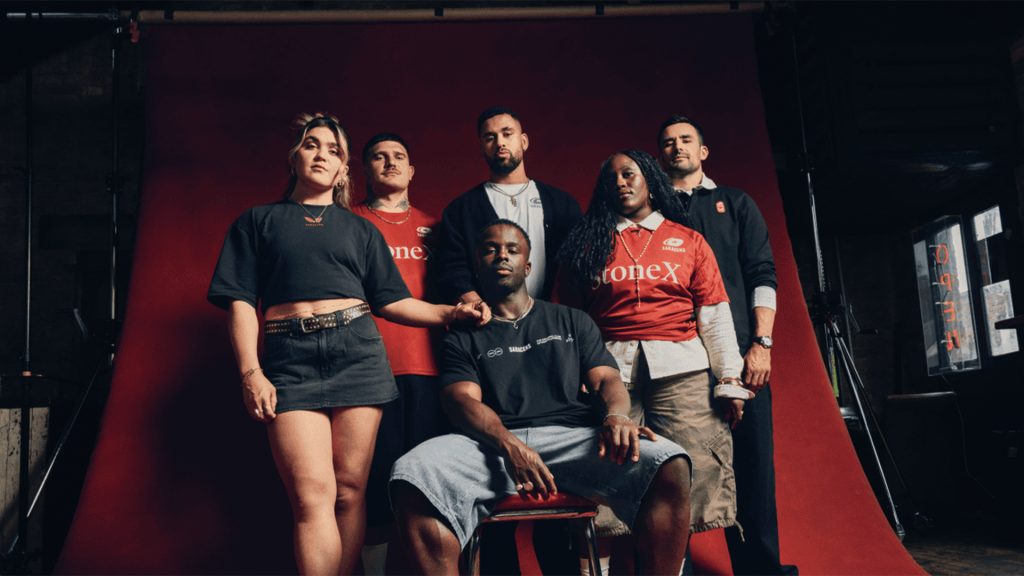
For most supporters and stakeholders, they will only see the result of a rebrand, rather than the process and reasoning. It is fair to say that when a rightsholder goes through a rebrand, stakeholders may not always be 100% supportive of the outcome. This can be for a multitude of emotive reasons, including a breakaway from tradition, which is why it is important to involve a variety of stakeholders into the journey when a sporting organisation undertakes a rebrand process.
It is also important to note that a rebrand does not necessarily mean a complete overhaul change of a company’s logo or visual identity. It can also be concentrated on company tone of voice and values.
So, what does a successful rebrand look like and how can it be measured?
One of the many rebrands of 2025 saw EFL side Oxford United go through a visual change as part of the club’s updated strategy. In collaboration with London-based design agency LoveGunn, the two organisations worked together to launch The Yellows’ new creative approach in February 2025.

To gain a greater understanding of the process of the rebrand and the successes it has achieved to-date, we spoke to both Oxford United and LoveGunn, the creative agency appointed by The U’s, about the project.
Adam Benson, Chief Commercial and Marketing Officer at Oxford United Football Club, highlighted the first steps of the process…
“The idea of a rebrand was part of a broader strategy to clearly define what the Club stands for and to provide a platform for growth. With ambitions to establish Oxford United in the Championship and beyond, we needed to ensure our positioning was truly reflective of the Club’s identity, aspirations and potential. The focus was on creating a brand that would resonate with a far wider audience, supporting growth in commercial partnerships and cultural influence, whilst also still allowing supporters to feel connected.”
Adam then went on to explain what they wanted to achieve in rolling out a rebrand…
“The rebrand was about understanding that Oxford United are so much more than just a football club. We wanted to create a brand that gave us flexibility so that it would live confidently in the worlds of sport, culture and community. The ‘Dream Inspire’ motto perfectly captured that idea, expressing the Club’s role in encouraging ambition both on and off the pitch.”
With it now being eight months on since launch, Oxford United have seen some substantial commercial and fan-engagement increases…
“The results have far exceeded expectations and its impact seen almost immediately. Surveys carried out after the launch showed 96% positive sentiment among fans and staff. Retail sales hit record highs in 2024/25, with over £1.1m in revenue, and this year’s kit launches have seen replica shirts sales up by 283%. Season tickets sold out, attendances have grown to record levels, and social channels surged, with Instagram rising by 373% to 369k followers and TikTok tripling to over 300k. The Club also signed its largest ever sponsorship deal with Baxi.”
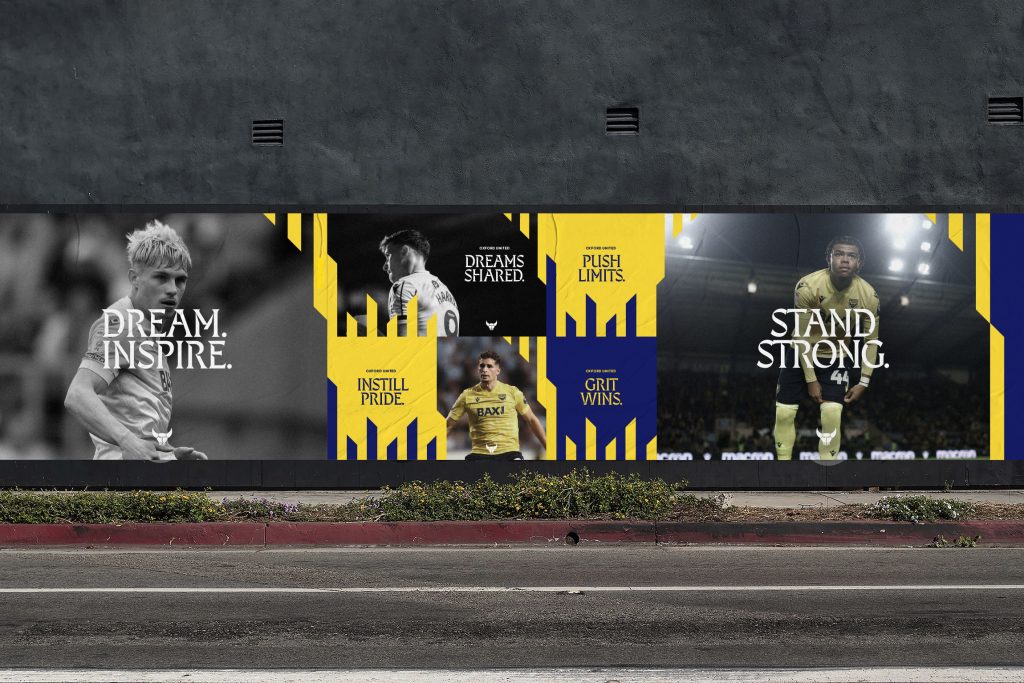
Christian Gunn, Managing Director & Co-Founder at LoveGunn, also gave insight into the project and how his design agency helped carve Oxford United’s new look…
“The goal was to reach new audiences and catch the eye of bigger and better commercial partners. It was an exciting and interesting challenge given the forces at play. Oxford itself is world renowned, and we both understood that we needed to find a way to leverage this equity in a way that felt fresh, inspiring and aspirational. Key to finding this sweet spot was putting Oxford United’s legacy and dreams at the heart in order to engage new fans and avoid alienating their existing fanbase. That’s why our focus was on building a lasting connection with supporters while staying true to the Club’s ethos of empowerment and growth.
We drew on the city’s rich legacy of intellectual achievement, cultural pride and sporting prowess, while exploring the unique tension surrounding Oxford United: a Club not always competing at the very highest levels on the pitch, yet driven by a strategic vision to excite loyal supporters and inspire new audiences.”
During a rebrand process, organisations will typically conduct a consultation period to gain insight into stakeholders’ feelings. Christian goes into detail on their approach…
“We avoided large-scale fan forums and kept it as grassroots as possible. We spoke directly to fans on the ground, to Club staff – a large number of whom are supporters – and to local media. This approach gave us an authentic picture of the culture and values that define Oxford United.
From research through to strategy it took about six months. This period covered the immersion and discovery work, the development of the positioning and brand narrative, and the creation of a flexible design system that could carry through to launch.”
On top of Oxford’s tangible increases, Christian also expressed LoveGunn’s verdict on the success of the project…
“The litmus test is that the new brand has been able to seamlessly penetrate culturally relevant spaces, such as a running club, a cultural exhibition and, most importantly, attract significant new commercial deals. The reaction from fans, the Club and the wider football community has been incredible.”
Oxford United and LoveGunn’s collaboration is a strong example of the power of rebranding. It also shows that successful and large-scale rebrands are not only exclusive to the pre-existing global rightsholders.
As the digital era continues to reshape how fans engage with their rightsholders, more sporting organisations are likely to evolve their ethos and energy to stay aligned with the fast-changing sports industry.