





RFU reveals record £37.9m operating loss for 2024
The RFU has reported a record operating loss of £37.9m for the 12-month period ended in June 2024.
This eclipses the previous record loss of £30.9m that English rugby union’s governing body revealed in 2018.
The RFU, which made a £4m profit in 2023, saw its revenue fall from £221.4m to £175.2m over the last year.
Despite this, RFU CEO Bill Sweeney received a basic salary and bonus pay of £742,000, as well as an additional £358,000 as part of a long-term incentive plan, bringing his total earnings for the year to £1.1m.
The organisation cited a decrease in home Six Nations fixtures, as well as the absence of men’s Autumn Nations matches, as a key factor in this year’s loss, accounting for a £53.8m drop in revenue compared to last year.
That figure comprises a £25.4m decrease in ticketing revenue, a £22m reduction in hospitality sales, and a £6.4m decrease in broadcast revenue.
Investment into England’s national teams increased from £25.5m to £28.7m, partly due to the men’s Rugby World Cup in 2023. Meanwhile, the RFU provided £24.9m in funding to men’s and women’s professional clubs, and invested £12m into match officials, sports medicine, events, and competitions.
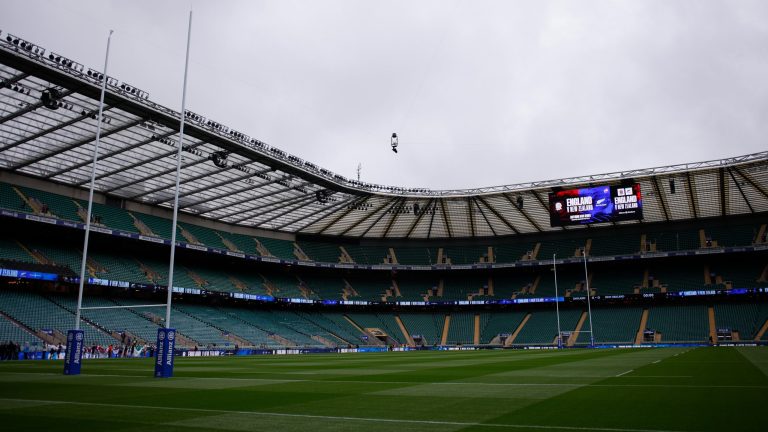
The RFU additionally invested £7.6m to Strategic Growth Fund Projects such as the commercialisation of women’s rugby, and the renovation of Allianz Stadium.
In August, the RFU and insurance firm Allianz announced a reported ten-year, £100m partnership, which includes naming rights to the iconic venue previously named Twickenham Stadium.
“Four years ago the game faced an unprecedented and unforeseen set of challenges and costs triggered by Covid,” said Tom Ilube, Chair of the RFU Board.
“We end this latest four-year cycle with a strong balance sheet, no debt, a robust cash position and positive P&L reserves.
“The Rugby World Cup revenue impacts we see in this financial year were anticipated, planned for and they are in line with expectations.
“This has enabled us to continue investing strategically in the game at all levels with confidence.”
Sweeney added, “Emerging from post-Covid challenges, which saw significant lost revenues, substantial increases in costs and inflation, and a drop in player participation, we are now entering into a period of significant transformation with a great deal to be positive about.
“We continue to retain and attract new partners and are delighted that one of the world’s leading insurers, Allianz have extended their support for rugby with a significant, long-term investment in the game.
“The partnership will be transformative, not only to the elite men’s and women’s teams but also aims to have a positive impact on community clubs around the country.”
Stay up to date with the world of sports business by subscribing to the Sport Industry Daily.