


World Mental Health Day shouldn’t just be a reminder, it should be a rallying cry.
My understanding of my own mental health goes back around 25 years, to one particularly tough day in my early thirties, in the days where attitudes to mental health were very much misguided.
My awareness came in a moment of revelation and prevented something far more serious. The journey to understand the complexity of mental health has taken all the years since, and it is a daily internal conversation and challenge.
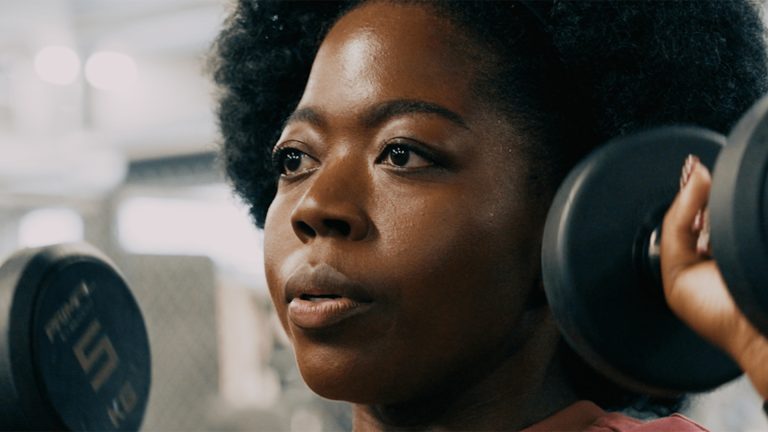
Physical activity has been at the centre of my journey. Every single day, I work out in some way. It’s one of the few things I can control. It helps balance the cortisol and adrenaline that course through the body of a person with an anxious mind and helps make the world a happier, more engaging place.
That personal journey – the link between physical activity and mental health – is not only vital to me, but also a signal for what our industry can offer others. We sit at a crossroads of performance, connection, and wellbeing. And right now, that intersection matters more than ever.
Over the past decade, the volume of global risks has only grown. Climate change and climate risk, COVID, wars, political instability, the rise in racism and discrimination, and the economic impact of inflation.
All of these weigh heavily. For many of us this weight depletes a portion our energy tank before we’ve even begun the day.
So much of this sits beyond our control. As Professor Peter Frankopan, Head of Global History at Oxford, once said, “Only wars and pandemics have the power to shift the world rapidly.” Yet there’s a moment when shared struggle can drive shared change.
Right now, the mental health crisis is touching every corner of society.
Governments are facing post-COVID social care bills that are soaring. Businesses are wrestling with productivity losses and absenteeism. Schools are overwhelmed. Families everywhere are under strain. Every major community in society is being pulled by the same issue.
This challenge presents an opportunity for genuine transformation.
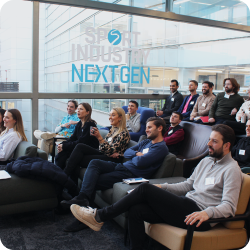
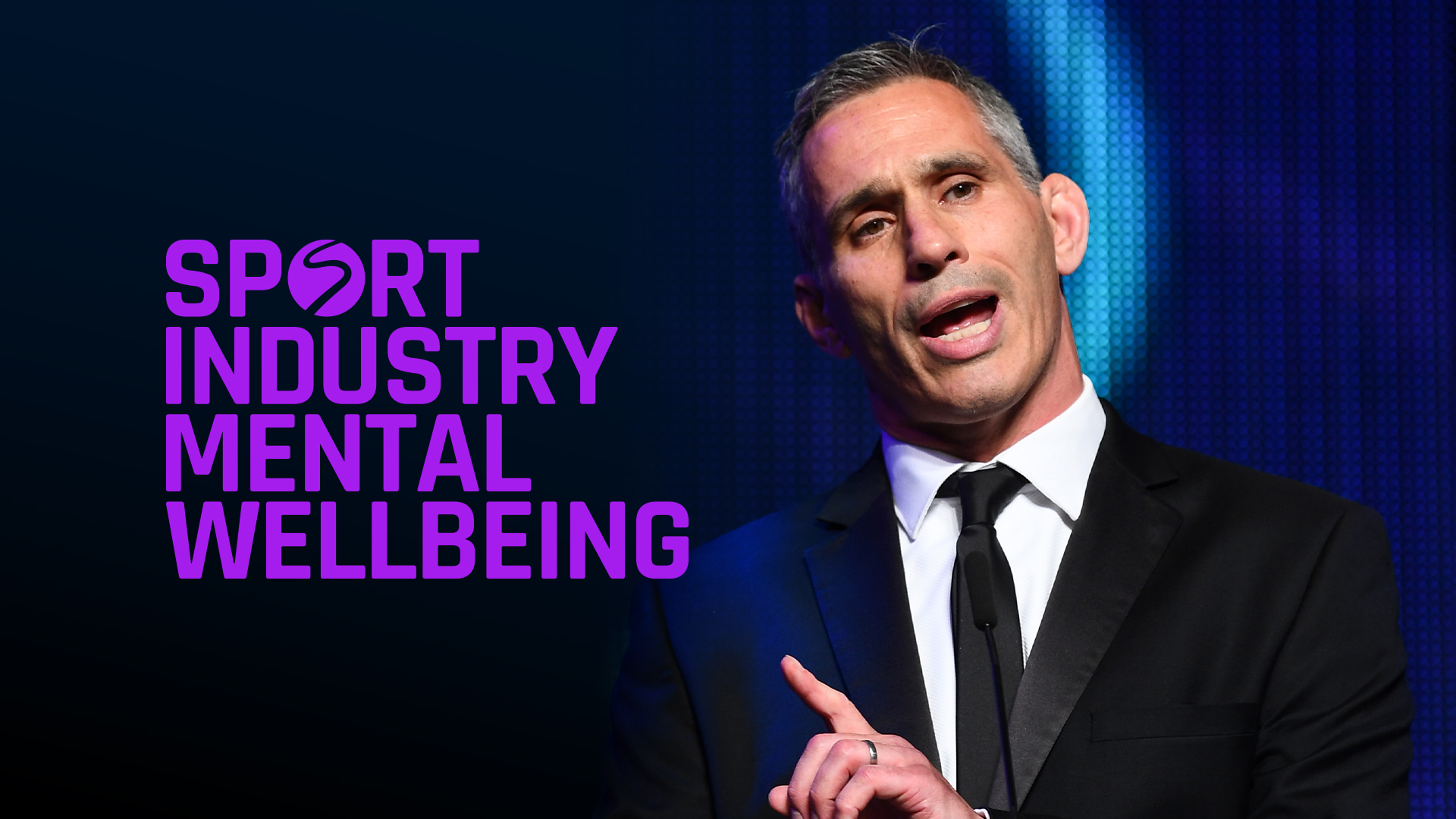
For our industry, change must start with ourselves. One of the reasons we set up the Sport Industry Mental Wellbeing Platform was to help support and educate our sector: to build understanding, to share best practice and to provide a safety net.
Sport Industry Group’s Mental Wellbeing event on 9th October 2025
We are an industry that works alongside elite performers and teams, where high performance is expected and supported. But behind the scenes – among administrators, event teams, agencies, and rights holders – the pace is unrelenting.
Long hours, constant deadlines, the pitch-to-pitch cycle: it’s a culture that mirrors the same win-or-lose mentality, but without the support structure that athletes often have. That’s why understanding and protecting the mental health of those who deliver within the industry is so important to me and to the Sport Industry Group.
At the same time, we have a much wider opportunity. Sport, movement, and activity are proven to improve mental health. They reconnect people to themselves, to others, and to a sense of belonging. They offer optimism. And right now, the offer of optimism is a powerful act.
The mental wellbeing crisis is one of the few global challenges we, as an industry, can genuinely influence. Unlike AI, deglobalisation, or state conflicts – areas where we often feel helpless as we scroll our feeds – here we can act. We can move. We can make change.
It is a basic human right to go out and be active, to pursue something you’re passionate about, to engage with the world in a way that restores you. It’s a privilege not everyone has, one we should value deeply – I think of the women in Afghanistan who are denied that freedom.
For the next decade, sport has an extraordinary opportunity to be a platform for hope, connection, and empowerment for individuals, communities, and even nations. We can help people refill their tanks, strengthen societies, and remind the world that movement and connection are not luxuries; they are necessities for a healthy mind and a thriving world.
World Mental Health Day shouldn’t just be a reminder, it should be a rallying cry. For our industry to look inward with care and outward with ambition. To use the power of sport not just to entertain, but to heal, to unite, and to make life better for millions.
You can explore and download a variety of different mental health resources online here.