




A Brief History Of Premier League Shirt Sponsors
Football shirt sponsorship has never been under a bigger spotlight. Gambling sponsors currently sit at the top of the DCMS government agenda, and the rise of crypto’s visibility in the game is drawing widespread criticism.
In a recent report, the team at InsightX has taken a closer look at the current state of play and analysed which sectors have historically thrived on the front of the Premier League playing kits.
Whether it faces more stringent controls or further deregulation, the future of gambling advertising in football remains uncertain as those in the world of sport and business continue to await the government’s heavily delayed gambling white paper – the review of the Gambling Act 2005.
As part of the review, the department formerly known as the Department for Digital, Culture, Media and Sport was to look at the ‘sponsorship of sports teams and events including shirt sponsorship’, and assess its potential harms and benefits.
Despite a cabinet reshuffle in early February (which might prove to be a further setback in the publication of the white paper) we have attempted to look at the industry’s involvement as front-of-shirt sponsors in the Premier League since its inception. We have also analysed the prevalence of other industries according to the popularity of particular products, the developing economy, and foreign investment.
Gambling and Alcohol
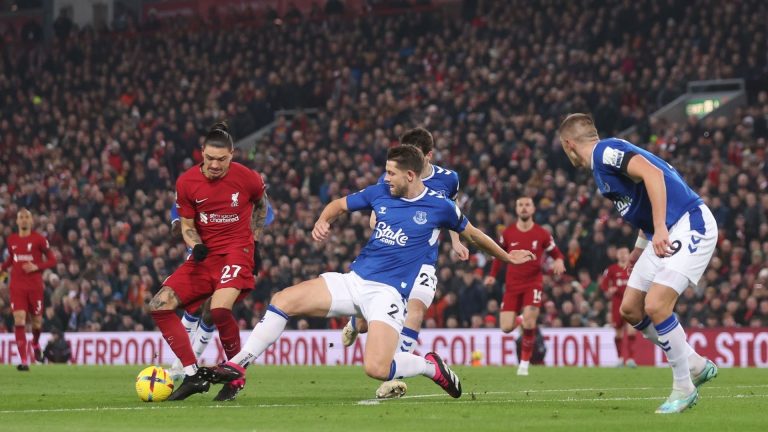
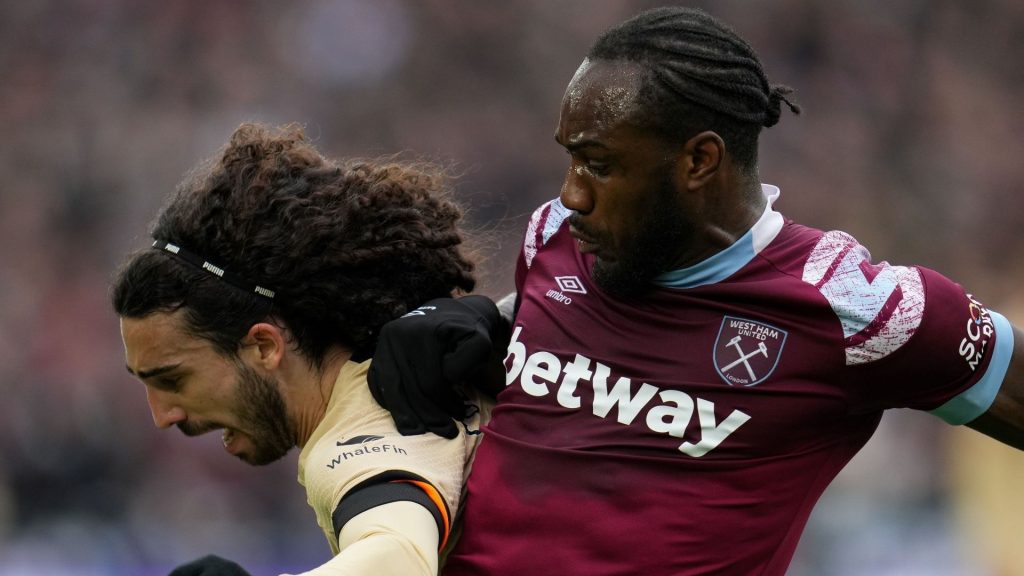
The gambling industry has become one of the most prolific front-of-shirt sponsors of the Premier League in recent years, culminating in the 2016-17 and 2019-20 seasons where a total of 10 out of 20 clubs had deals with gambling brands. This season eight clubs do.
The rise of gambling in the Premier League was heralded by two things; the introduction of the Gambling Act 2005 which allowed companies a much freer rein to advertise across different media, and voids left by other declining sectors.
Alcohol sponsorship is one such sector. The 1994-95 season was the boozy days of the Premier League when no fewer than six sponsors adorned the respective shirts of Blackburn Rovers (McEwan’s), Chelsea (Coors), Newcastle (Scottish and Newcastle Breweries), Nottingham Forest (Labatt’s), and the notably long-standing deals that Liverpool had with Carlsberg (18 years) and Holsten’s 13-year deal with Spurs. Drinks industry sponsors began to decline around 2001, and when the deal between Everton and Chang eventually concluded in 2017, booze in the league finally dried up, paving the way for lucrative gambling partnerships.
Electronics, Computing and Telecoms
Other sectors have come and gone with changing consumer patterns; big electronics such as JVC, Brother and Sharp helped the sector peak around 1994-95 before being replaced by IT and computing; an industry superseded itself by telecoms brought on by an exploding mobile phone market around the turn of the millennium.
Crypto and digital assets
One present-day industry that is ‘missing’ in the data – although very much omnipresent in the league – is cryptocurrency and digital assets sponsors. With the future of gambling sponsorship uncertain, it was thought that crypto brands might turn out to be a replacement for gambling, but so far there haven’t been any exclusively crypto front-of-shirt deals in the league. And, as the so-called Crypto Winter sets in and concerns around the ethical and financial status of some of these organisations have arisen, a crypto ‘takeover’ looks increasingly less likely.
You can read more about how other industries such as airlines and personal finance have made their mark sponsoring the Premier League in the full piece of research.
Whether it faces more stringent controls or further deregulation, the future of gambling advertising in football remains uncertain