




How LiveScore is helping support mental health in football
“Football has a special power to bring joy to the world, and nothing brings people together like last minute goals.”
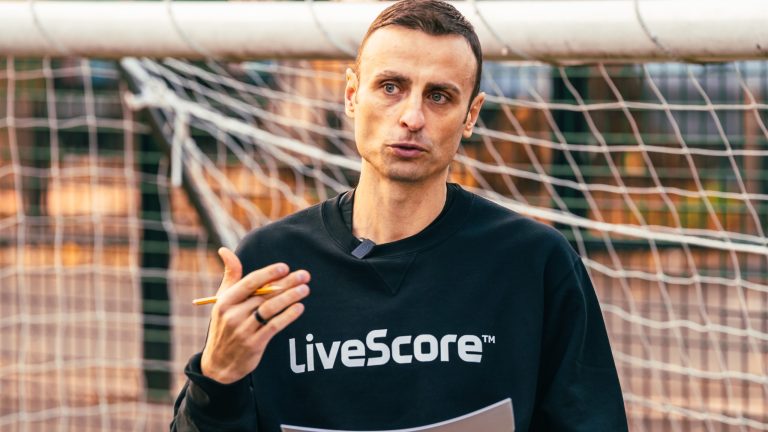
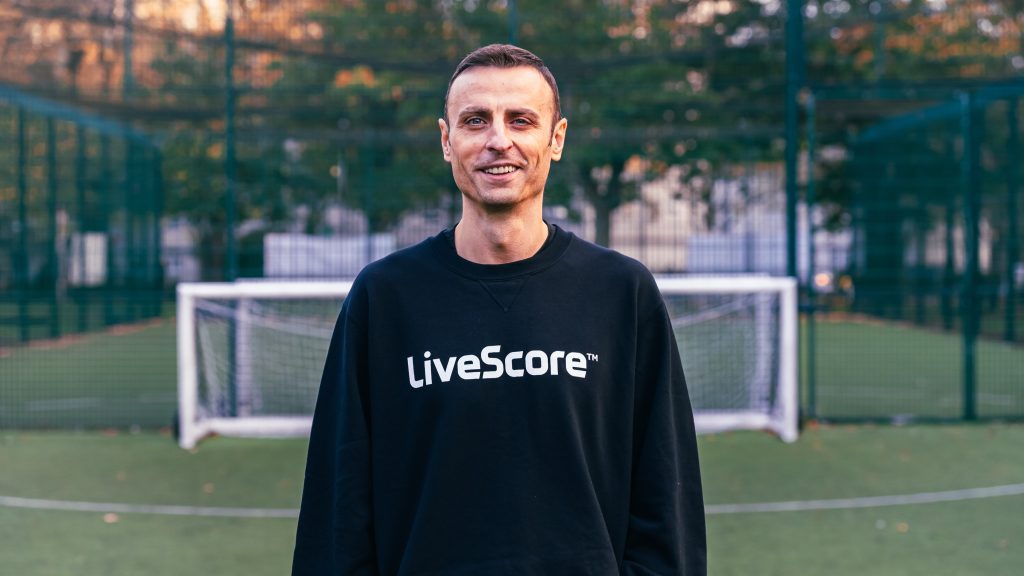
Those were the words of former Manchester United Striker Dimitar Berbatov, who teamed up with LiveScore last November to lead the company’s new ‘Extra Added Time’ campaign, in support of mental health.
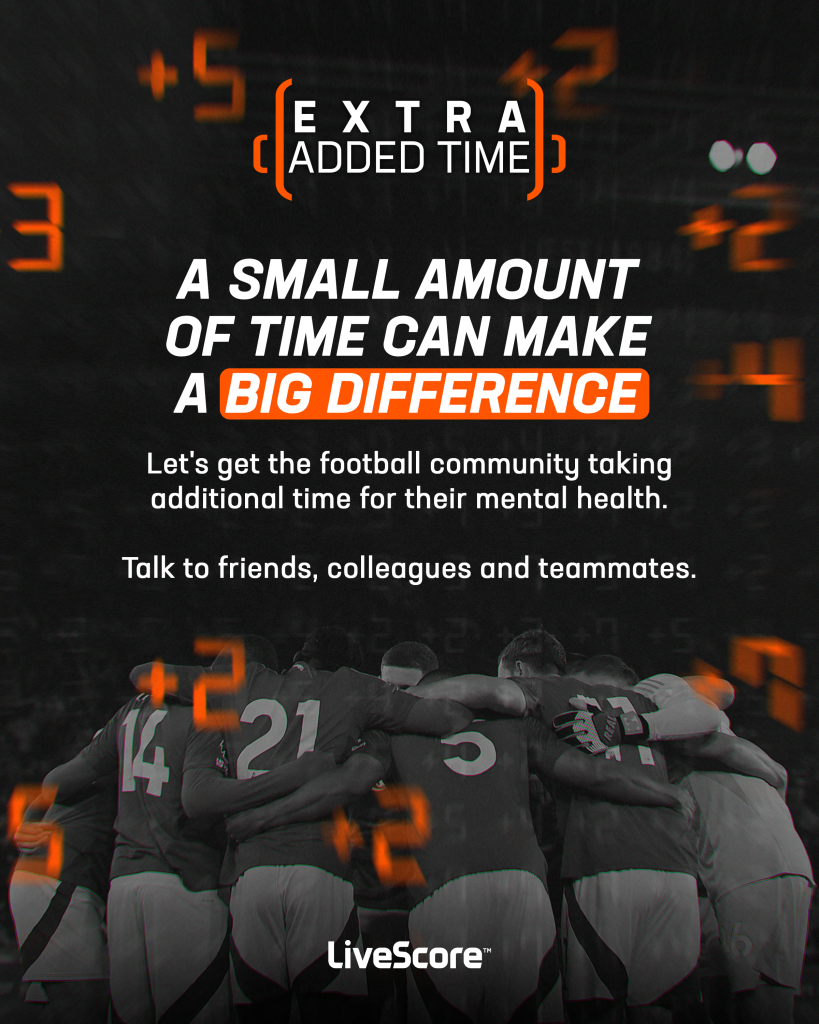
During November’s Premier League matches, LiveScore donated £250 to charity for each key moment delivered via its app after 90 minutes.
To learn more about the initiative, Sport Industry Group spoke with LiveScore’s Marketing Director, Dominic Vye, to discuss the impact of the campaign, and the topic of mental health within the football community.
Can you tell us about yourself and your job role?
I joined LiveScore as Marketing Director in September, and it’s been an incredibly exciting and rewarding start. With 15 years of experience in the industry – including my previous role as Marketing and Strategy Director at Entain – I’m passionate about driving growth and building strong consumer brands.
At LiveScore, I’m thrilled to work alongside a talented and dedicated team whose expertise and creativity have impressed me from day one. This is particularly evident in our Extra, Added Time campaign, which highlights our commitment to empowering football fans and the wider community.
I’m excited to continue building on this momentum and helping LiveScore achieve even greater success as we look ahead to an exciting future.
What is LiveScore’s ‘Extra Added Time’ campaign?
LiveScore has a unique 25-year heritage which has allowed us to build a longstanding relationship with football fans all over the world.
Across the organisation, wellbeing is a key pillar of our workplace culture, with comprehensive mental health and wellness programs in place to ensure our people thrive both professionally and personally.
With November being mental health awareness month, Extra, Added Time ties all these threads together and showcases our commitment to the fuelling the football community’s passion for sport, while encouraging positive mental health and conversation.
With additional time across the football world increasing substantially over the last few seasons, some last-minute standout moments in turn have had a profound impact on fans in positive ways – all of which we have brought to fans via our app. We’re delighted to have turned these moments into support for the mental wellbeing of the football community by encouraging football fans to take additional time for their mental health.
As part of this, we’re donating £250 to a leading mental health awareness charity for every key moment delivered on the LiveScore app post-90 minutes across 10 leagues throughout November. A total of £10,000 will be donated, which will hopefully make a real difference to people’s lives. Moreover, our good friends at Bloomsbury Football, who help to transform young people’s lives through the power of football, have also received a £3,000 LiveScore contribution to their mental health coaches
Ultimately, we believe a small amount of time can make a huge difference, whether its talking to friends, family and teammates, or coming off the bench in the dying minutes to score a winner.
What was the motivation to deliver this campaign and why did you decide to work with the charities you have done?
At LiveScore, we’ve always aimed to be the ultimate fan companion. That means going beyond sports to help fans and the wider community prioritise their mental health. By raising awareness and driving conversations around mental wellbeing, we hope to help alleviate the struggles many people face.
We work with great people, such as our PR agency MatchFit, who are always helping us tell this side of our story. In addition to MatchFit, we’ve also worked with Bloomsbury Football previously and admire their fantastic work. The mental health awareness charity is a partner of ours and we regularly hold fundraisers for them as part of our CSR initiatives.
The ultimate aim of the campaign is to help break down barriers, encourage conversation and drive positive mental health among a community with a shared passion. Sport is so important to people and we want to harness that power to make positive change.
How did Berbatov get involved and how important has his support been?
We’re delighted to work with Dimitar on this initiative and when we heard he may be available, we jumped at the opportunity to work with him. He is someone who has scored his fair share of added time moments on the pitch throughout his illustrious career, and his profile has been incredibly helpful in getting the message out to football fans.
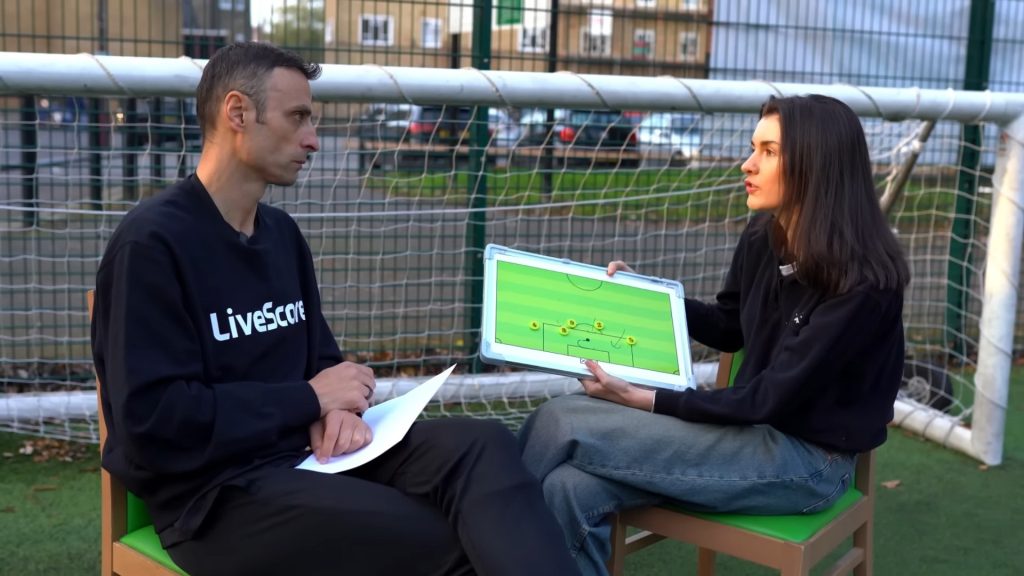
Of course, as with any player at the elite level, there are untold stresses and pressures which people just don’t see – a very pertinent parallel to the very same struggles which everyone goes through in their everyday life. Dimitar has been brilliant in telling these stories to media and our content team alike, and been incredibly open to help others out there learn from his challenges.
Which sport do you think is leading the way in the mental wellbeing space?
One of the great things about our progressing society is that mental wellness has been massively destigmatised, and people feel more able to open up. Sport and society have always reflected each other in many ways, whether its football, tennis or basketball, so it’s great to see more action from governing bodies, as well as high profile advocates across many sports.

Given it’s the most widely played and loved sport, I would have to say that particularly in football, it’s great to see top players open up, whether its Dimitar Berbatov on Extra Added Time, or others like Marcus Rashford and Dele Alli who have all spoken out on personal troubles.

Sport in general has come a long way, however there are many more ways in which all sport can provide organisational support and initiatives just like Extra Added Time to help keep pushing the message.
How have you seen the industry evolve over the past five years on the topic of mental health?
It’s great to see more high-profile advocates open up and have discussions on mental health. Conversations which were a taboo five years ago have now become much more normalised which is great to see. There are now more support systems in place for athletes than before, with more resource from clubs, leagues and governing bodies. I think over the last five years, a shift from seeing mental health as a peripheral issue tis now a core part of sporting culture.
One of the hot topics at the moment is player welfare, and while it’s great to see those conversations take place, the issue itself and the demand needs addressing, so that’s something that hopefully in five years time I can say has changed or the better.
What advice would you give to other organisations looking to launch similar campaigns?
Fundamental to a campaign advocating for mental health awareness is that it is genuine. There needs to be tangible action to make a difference. That’s a key reason why we partnered with the charities, because we know they do excellent work and it goes well beyond any token gestures. Hopefully we see many other campaigns like this, and not just in the month of November.
What’s next? Does LiveScore hope to continue focusing efforts on this space?
LiveScore remains deeply committed to prioritising mental well-being both internally and externally. Across the organisation, we’ve established robust programs to support our employees’ mental health year-round, and we’re proud to lead by example in this important space.
Internally, we have 13 trained and active Mental Health First Aiders who provide confidential, non-judgmental support to colleagues. Complementing this is our Wellbeing Confluence Page, which serves as a comprehensive hub of resources on various mental health topics. Every two months, our First Aiders distribute a dedicated Mental Health First Aid Newsletter, raising awareness around key events in the mental health calendar and driving engagement through initiatives like chair yoga, quizzes, and “time out to talk” sessions.
Our Employee Assistance Programme (EAP) is a cornerstone of our mental health strategy, offering employees 24/7 access to confidential, expert advice and compassionate support.
This programme goes beyond reactive care, providing proactive and preventative resources such as Cognitive Behavioural Therapy, legal and financial guidance, and bereavement support. The accompanying Guidance Resource Online Tool extends this support further, integrating behavioural health and wellness services with tailored information on emotional, physical, and financial well-being, childcare, retirement, and more.
Additional wellness initiatives, such as subsidised gym memberships, ride-to-work schemes, and flexible working arrangements, ensure employees can achieve a healthy work-life balance.
Externally, we’ve amplified our focus on mental health within the football community through impactful initiatives. Extra Added Time highlighted the importance of mental health awareness, building on the success of last year’s Life-Changing Goals campaign, which provided underprivileged individuals with hot meals, football equipment, and coaching sessions for a year.
Looking ahead, LiveScore is excited to continue driving awareness, action, and meaningful change in the mental wellbeing space, reinforcing our dedication to supporting our people and the communities we serve.
While clearly we are making every effort in this space, we look forward to many more campaigns where we can make a difference, small or big, for people’s mental health, both at LiveScore and beyond.
Subscribe to the Sport Industry Daily for regular updates on the biggest stories and latest news in the sport industry