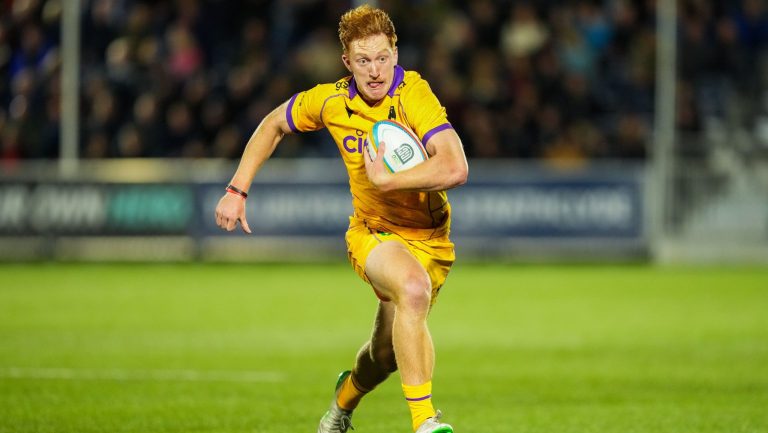







Is College Rugby The New “it” Sport In The States?
It seems that the United States us finding out what the rest of the world already knows, rugby, especially the 7’s game as the Rio Olympics approach, is a big deal. Like soccer 10-15 years ago, rugby is finding its way into the grassroots and now the high school and college level in the United States. Easy to understand and not that far off from American football, with less startup costs and opportunities for girls and women as well as men and boys, it is now the fastest-growing team sport in America according to the Sporting Goods Manufacturers Association.
The appeal of sevens is even more interesting, as its athleticism and fast pace speaks directly to millennials who brands are trying to engage with, and on the college level where there is a very expensive point of entry, rugby has become an interesting alternative. Since it is not an official NCAA sport in the United States, colleges, and the upcoming collegiate championships in Philadelphia on May 30-31, have found a way to engage with brands in unique ways without the heavy restrictions or costs that can come from a wider sponsorship.
With over 300 colleges now playing rugby and that number growing every year, the business of college rugby seems to be a very vibrant one.
This year’s event in Philadelphia is expected to draw between 25-30,000 fans for the two days at the home of the MLS Philadelphia Union, and will be the largest celebration of rugby in the States, with a men’s and women’s college event and an elite high school event, all sponsored by Penn Mutual, a centuries old brand that has chosen to enter sport through rugby in the U.S. The weekend will also feature a unique partnership between American football and rugby, with a youth tackling clinic on Sunday designed to better link the two sports.
We spoke to Jonathan First, the President of United World Sports, the owner of three of the biggest rugby events in the United States, about the opportunities for rugby, the event and the possibilities of someday bringing professional rugby consistently to the States.
There seems to be great anecdotal interest in rugby in the US, as the company that runs three of the biggest rugby events in the States, what have you seen in terms of business growth in the past year?
The growth has been steady and substantial. The television coverage that we have set up via NBC has been the X factor as rugby now is seen as a mainstream sport and is promoted as such. This has translated in sponsor interest, ticket sales and social media growth. In fact our social media engagements were over 500 million last year alone.
College and high school programs seem to be on the rise in the States, why do you think that is?
The increased awareness of rugby coupled with Rugby 7’s debut in the 2016 Olympics are driving factors. Our Collegiate Rugby Championship has grown in ratings every year. We are broadcast into the entire NBC network which is 130 million households. The fact that a young player has an upside to play in the CRC, play on the national team and play in the Olympics makes rugby a compelling sport to play.
Penn Mutual has come on for key college events for your company, why did they choose rugby vs. say traditional NCAA sports like football or basketball?
Penn Mutual was attracted to rugby because the sport mirrors its corporate culture and hardworking, competitive and respectful. Penn Mutual also saw collegiate rugby as an opportunity to get connected to the universities through sport and get introduced to the student body for recruiting purposes. They are thrilled with the results and so are we. They are a great sponsor who is very engaged.
There has been so much said about the issue of concussion for American football. Is the appeal of rugby as a safer sport something that you see as driving interest?
Yes very much so. The tackling techniques employed by rugby players is far safer than what is used by American football players. For example, you cannot lead with your head or leave your feet when tackling in rugby. Additionally, there is no blocking in rugby. Injuries, especially concussions are less in rugby than in football.
This year’s HSBC 7’s drew record crowds in Las Vegas, how important will Olympic qualification for the US be to keep the 7’s interest growing?
I think it is important, but I don’t believe that if for some reason the team doesn’t make the Olympics this year, there will be a drop off in attendance in Las Vegas. The US team just won the London Sevens (the last stop on the HSBC 7’s Series) this past weekend. This is the first time in history they have ever won a world series event. The interest in the team is higher than ever and the sport in general is growing so fast that the Las Vegas event will continue to ride this growth and success.
Several organizations have talked about a startup professional league for either 15’s or 7’s, is a pro league viable or needed for rugby to be successful in the US?
Yes, this would be the ultimate upside for a rugby player in the US as well as for the fan. For rugby 7’s and 15’s to become a true mainstream sport in the US as it is around the world, there needs to be a professional league in the US. We are currently working on a Super 7’s league which is an expanded form of the 7’s game. We are very excited about the Super 7’s Pro League and have many of the pieces in place including television.
There has been a great deal of interest by global brands entering the US looking at sports like soccer as a way to engage a new audience. How does rugby on the college level fit into that landscape and is it a good opportunity for emerging consumer brands?
Collegiate rugby is a truly special opportunity for national and multinational companies to engage the US rugby audience. The beauty of college rugby is that it is not an NCAA governed sport, meaning that the restrictions on brand placement in rugby are not in place. For example, the NCAA will not allow brands to paint their logos in the field, put their logos on the team uniforms, etc. In collegiate rugby, we not only allow this, we heavily promote it. Brands such as Subway, Coca Cola, Toyota and now Penn Mutual love this collegiate connection.
Looking ahead, where do you see collegiate rugby going in terms of a business and a brand vs. traditional American sports in the next 3-5 years?
I believe that collegiate rugby will continue to grow at a fast pace, with the Olympics and the development of the professional leagues as a major catalyst. The business of rugby, including sponsor engagement, fan growth and overall interest in the sport will also grow at a fast pace. I don’t think that rugby will be a “mainstream sport” in 3 to 5 years, but I do certainly in the 10 to 15 year window, and we are excited to be a part of it.