

LooseHeadz: ‘We use the power of rugby to normalise the conversation’
In this article, Rob Shotton, co-founder of LooseHeadz, shares his journey from growing up in rugby to leading a global movement to tackle mental health stigma in the sport.
Hi Rob. Can you tell us a bit about yourself and career to date?
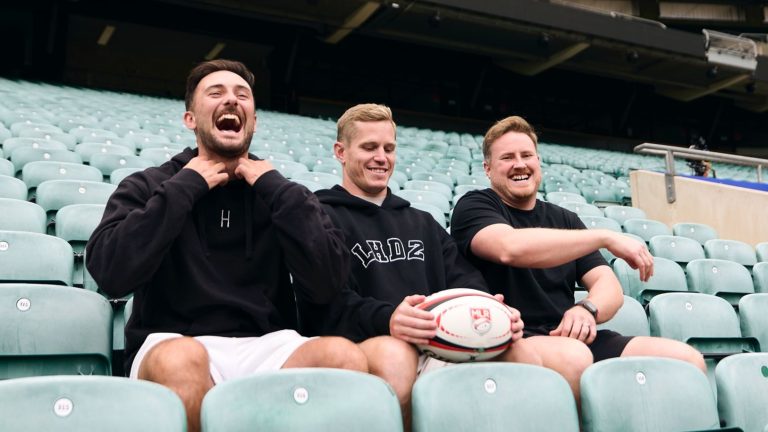
Hi, my name is Rob; I’m one of the co-founders of LooseHeadz – rugby’s mental health charity on a mission to place a mental health lead at every rugby club in the world. I’ve always believed in loving what you do, which is why I built my career around sport.
My mum and dad actually met at a rugby club, so rugby was never really an option – it was in my blood from the start!
Rugby has always been a sport that highlights togetherness, camaraderie, and the ‘clubhouse’ feel, and my longest friendships are those I’ve made playing rugby.
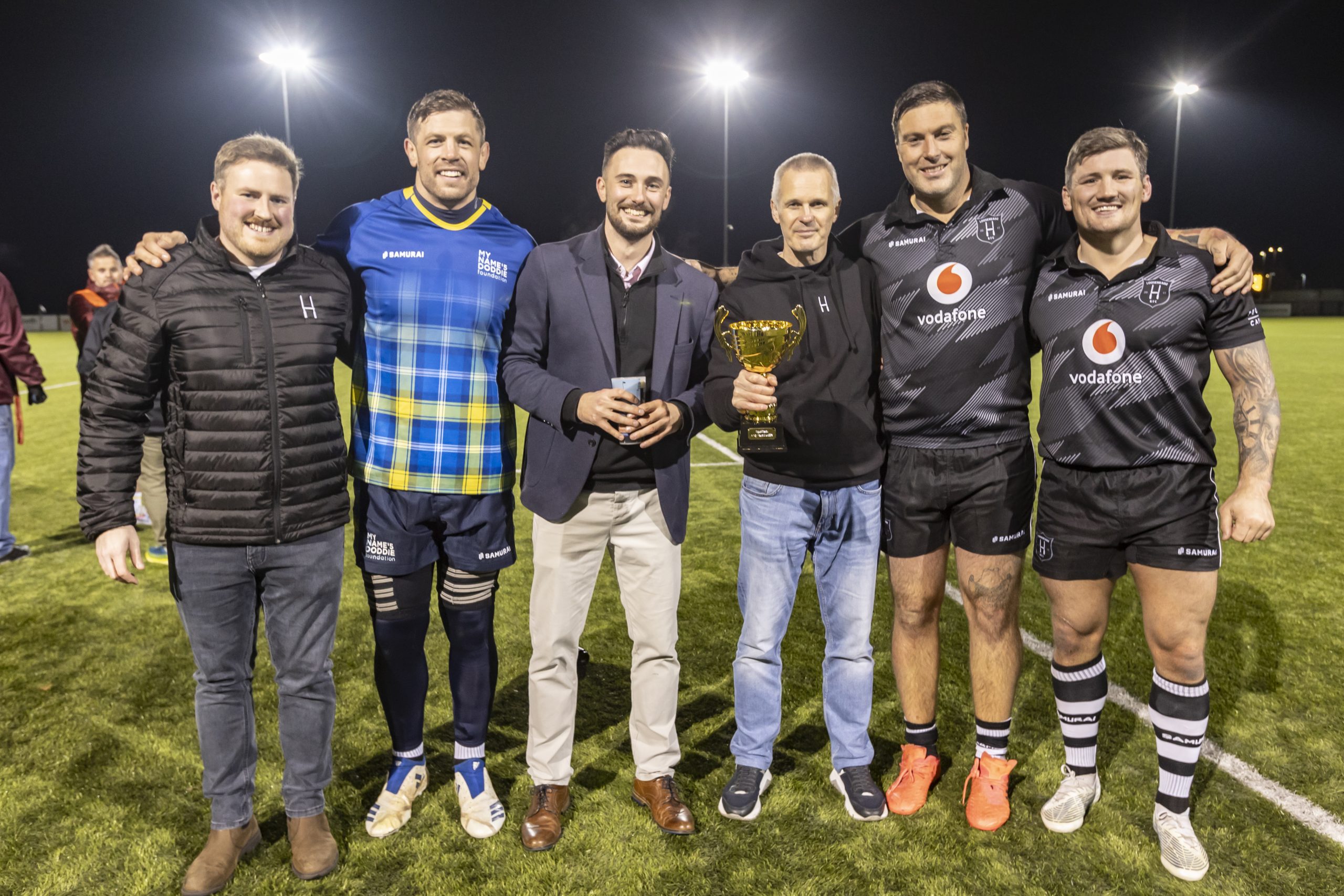
My journey started back in university, where I did a placement at Macclesfield Town FC. I started as a Commercial Assistant but within a few weeks, I stepped up as acting Commercial Manager in what felt like a ‘sink or swim’ moment – it certainly shaped who I am today.
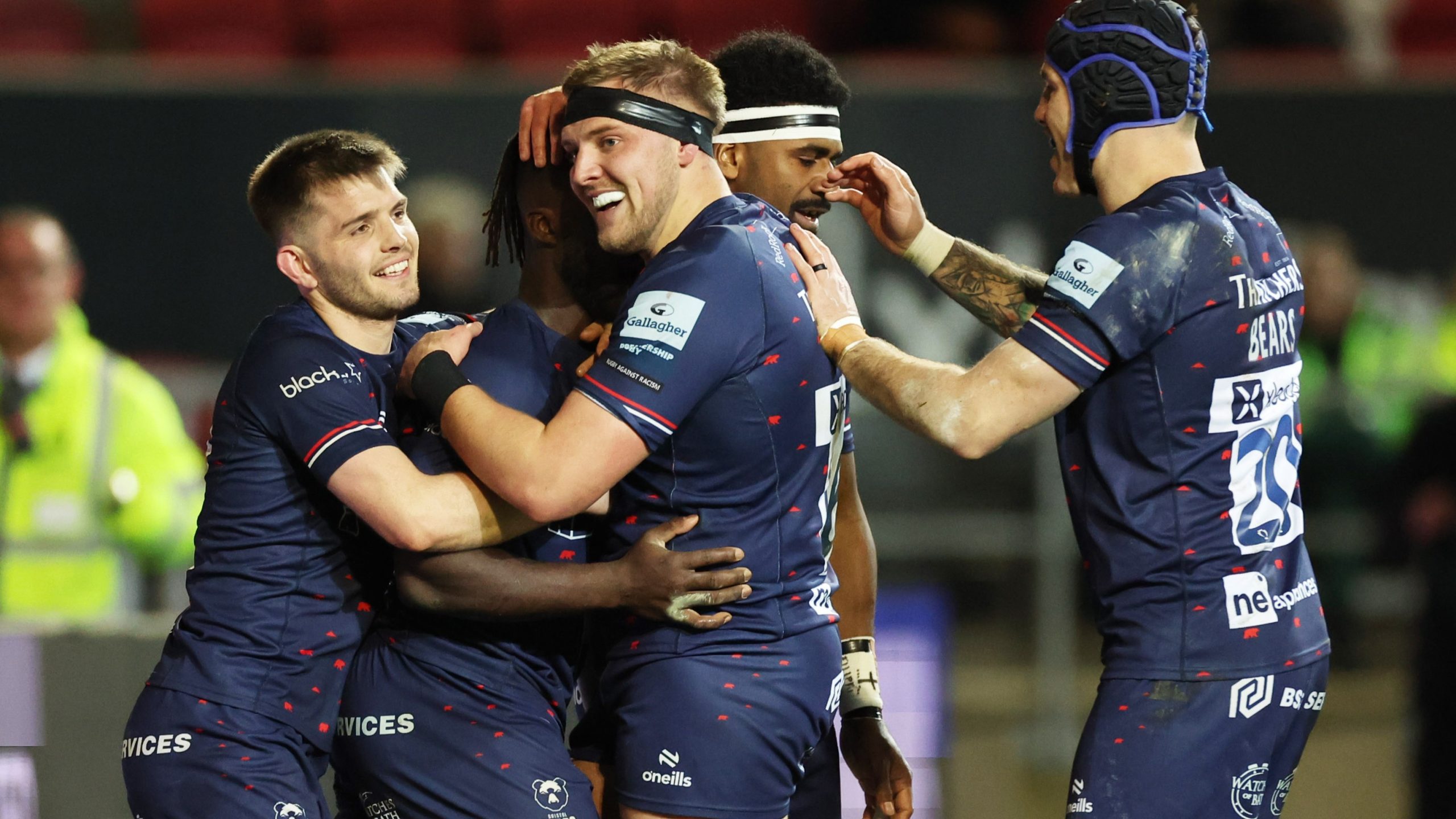
I’ve since worked at Byrom with FIFA partners during the 2018 World Cup and managed Partnership Activation at Bristol Sport, looking after the partners of Bristol Bears Rugby, Bristol City Football, and Bristol Flyers Basketball.
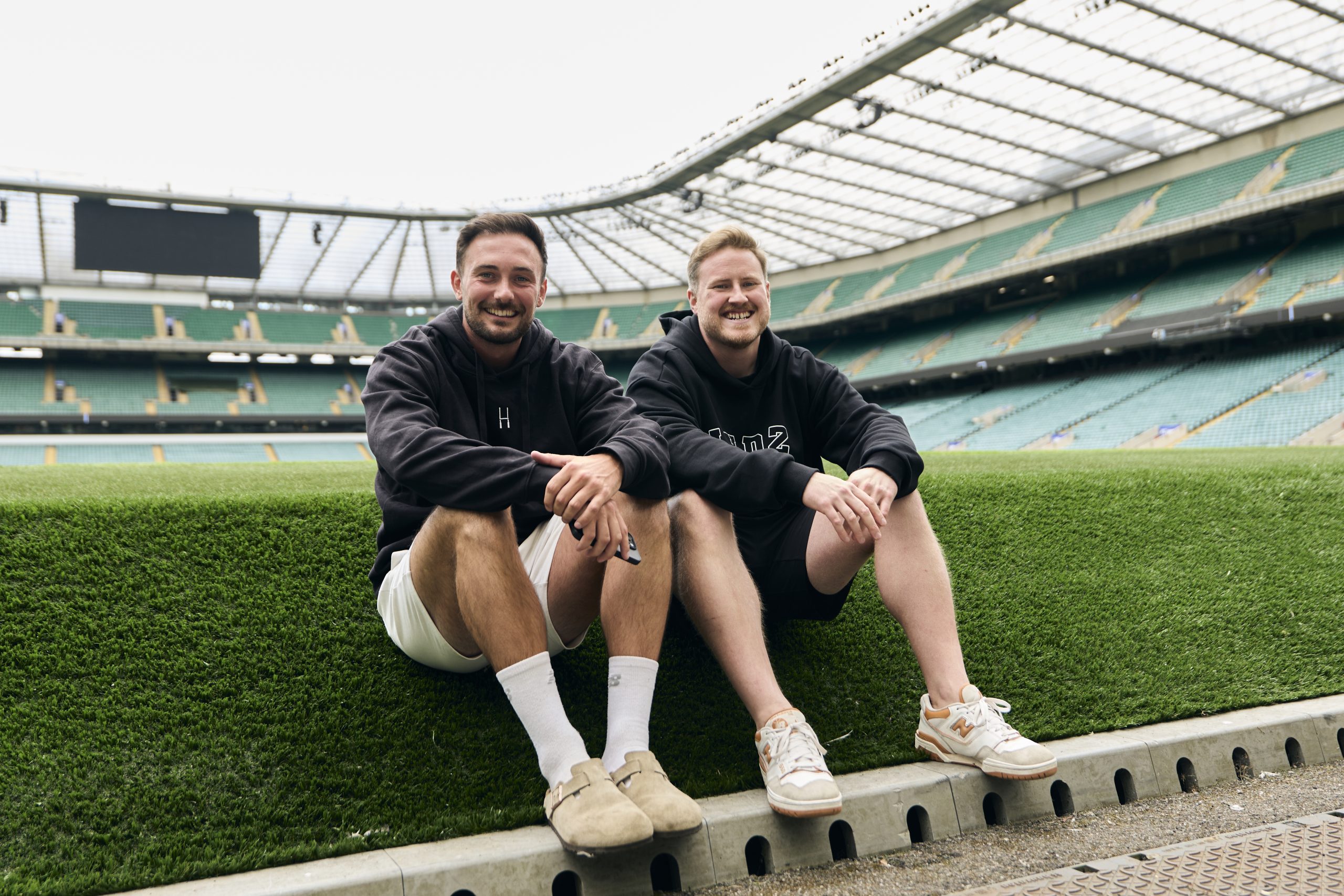
Around two years ago, I took the big scary leap of faith and made the decision to focus full-time on LooseHeadz, which is the best thing I’ve ever done.
For those that are not aware, what is LooseHeadz?
LooseHeadz is rugby’s mental health charity on a mission to place a mental health lead at every rugby club in the world. We use the power of rugby to normalise the conversation, change lives, and ultimately save lives.
It started as a conversation at the end of the Wilmslow Rugby Club clubhouse bar. Most good rugby stories start in the bar, and this one does too. My Dad, Dave Nicoll, and I, were talking about those mates we’d had over the years that experienced a ‘life wobble’ and we never ever knew what to do or say. We wanted to help our mates, but we also wanted to help the whole rugby community. So that was it, the birth of LooseHeadz.
In the UK, 1 in 4 people struggle with their mental health each year, and suicide is the biggest killer of men under the age of 50 and people under the age of 35. We want to let people know that it’s ok not to be ok. We want to tackle the stigma.
We’re currently working with over 1,250 clubs in 28 countries. It’s a bonkers (my favourite word) mission, but we’re fully committed to helping the rugby community and making a real difference.
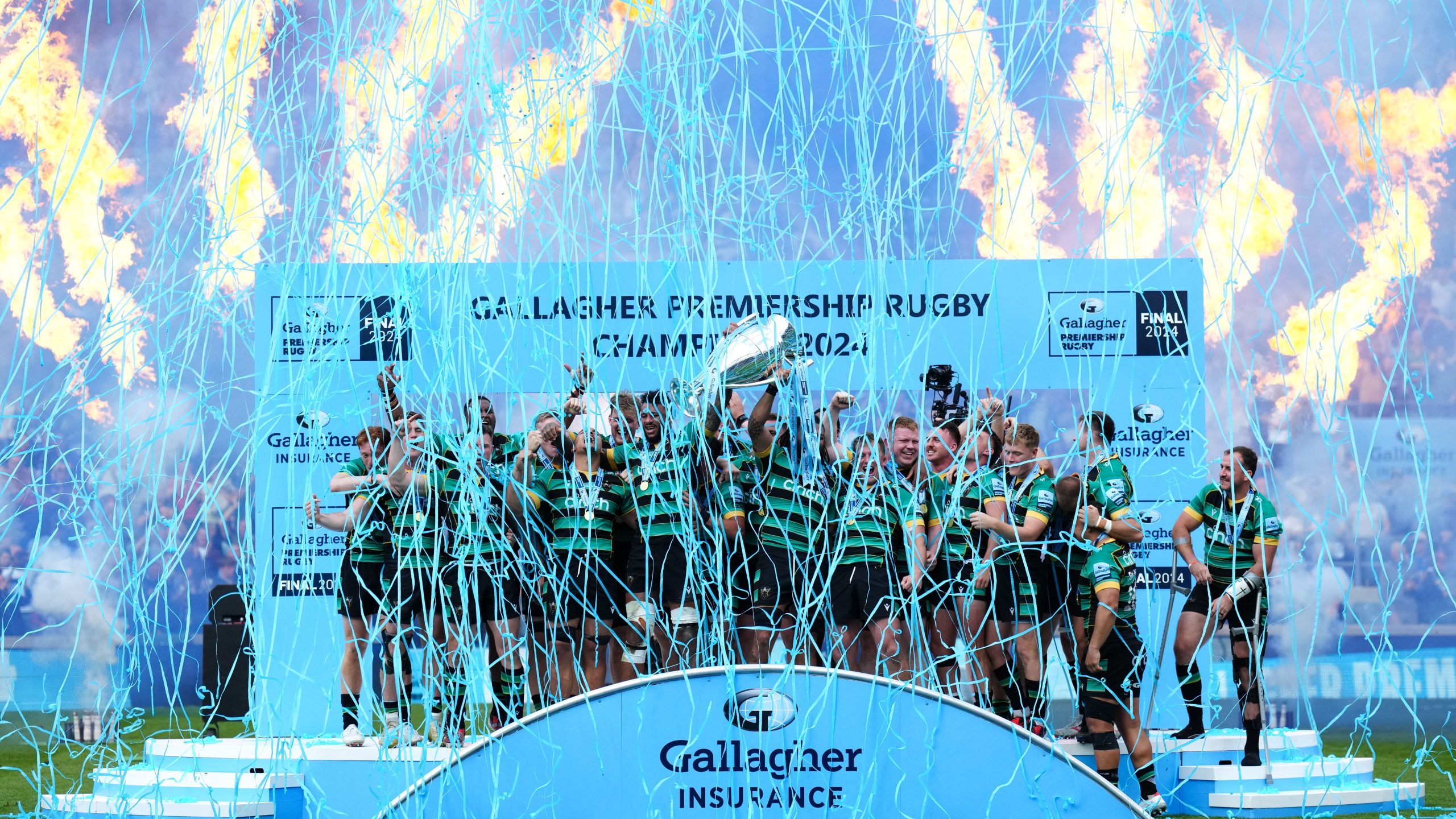
LooseHeadz has been working with Premiership Rugby, Major League Rugby, England Rugby, Welsh Rugby, Rugby Europe, URC, and is now an Official charity Partner to The British and Irish Lions.
What were the motivations behind creating LooseHeadz?
The 3 co-founders all have different stories. For me, my best mate, Rob Taylor, lost his Dad when we were 14-15 years old, and I saw how much it affected him. I never knew what to say to him when he was going through the toughest of times.
I wanted to help people, like Rob, going through tough times, but also help people like me – those who didn’t always know what to say or how to check in on a mate who might be struggling. The rugby community had no real support system back then, and we didn’t want to ignore the problem anymore.
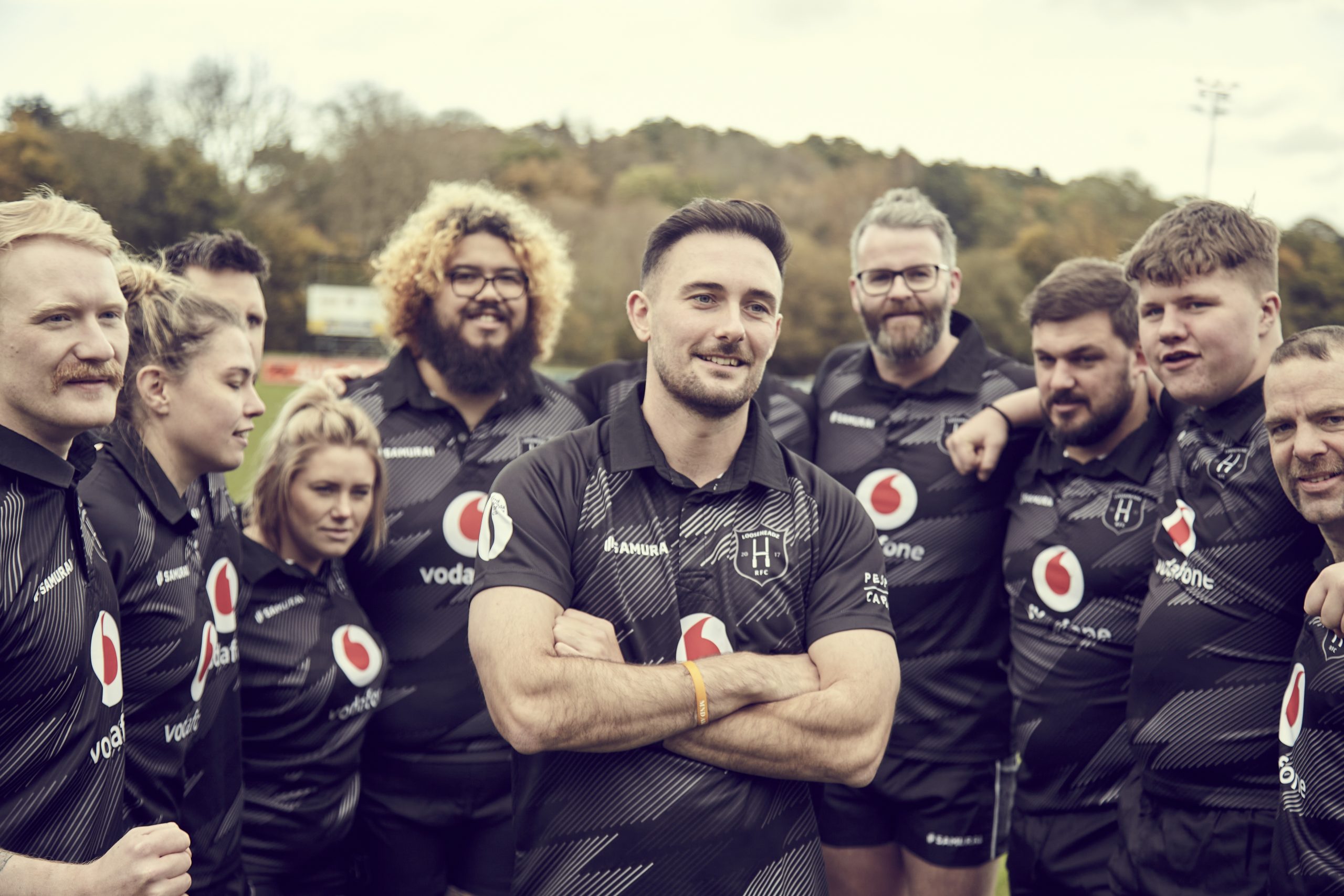
We started LooseHeadz to be Good Samaritans, and now, we’re leading the charge in the rugby world, pushing a global movement to tackle the stigma. We didn’t want this to just be another awareness campaign; we wanted it to be a catalyst for change.
How important has the support of current and former players been? And what feedback have you received from them on the work you’re doing?
The support of current and former players has been absolutely crucial. We couldn’t have achieved what we have without the help of some amazing ambassadors.
From Sam James, who I played with at school and was our first ambassador when we didn’t even know what we were trying to do, to Manu Tuilagi wearing the LooseHeadz t-shirt posts with pride, and Brad Shields shaving off his infamous beard for LooseHeadz.

Two of the best players in the women’s game in Sadia Kabeya and Stacey Waaka (on the other side of the world) have shared their personal stories, helping us to reach new audiences. Having these tough rugby players come out and openly talk about their own experiences has been massive.
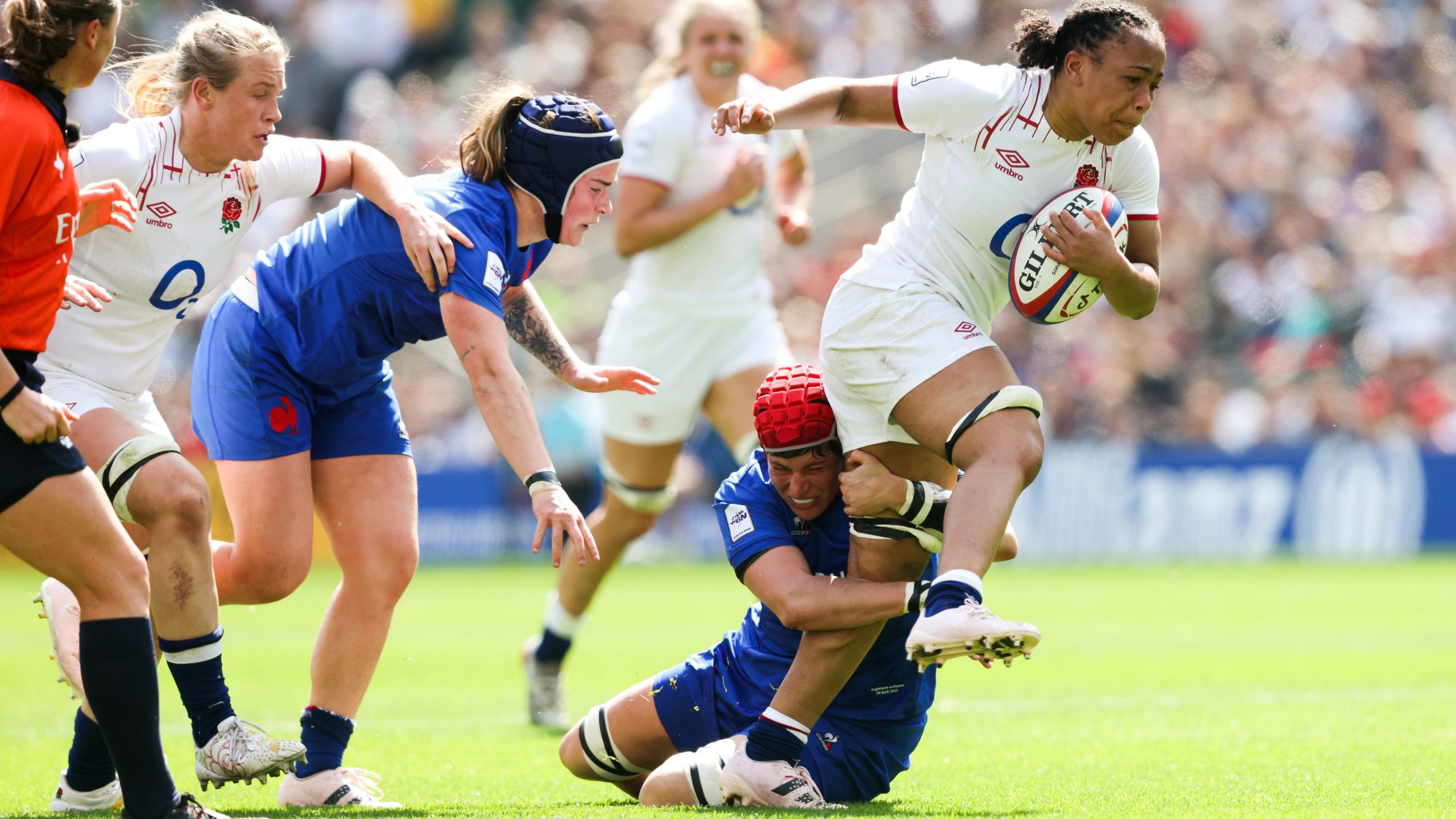
Rugby is a game played by macho characters, and when these players speak up, it makes a huge difference.
What progress have you seen since LooseHeadz launched?
There’s still a long way to go, especially when you look at the horrific statistics mentioned above, and that’s something we can’t ignore.
However, since we launched, we’ve seen real progress, particularly in the rugby space. The conversation is becoming more accepted, and more players are speaking up.
I think, after the challenges of COVID, people are more willing to talk about mental health now than ever before, and we’ve seen this shift in rugby too. We’re seeing more clubs and players embrace the movement and create more open, supportive environments for mental health conversations. But we’re only scratching the surface, and we’ll keep pushing for more.
One of our values is ‘the importance of community’ and we are super proud of the community we have built and continue to build. We now have 22 people with LooseHeadz tattoos which goes to show how much it means to people. I do have one, but I was lucky number 13!!
Outside of LooseHeadz, what else have you noticed making a positive impact re mental health in rugby? Any specific campaigns, clubs or players?
There have been some really positive steps, but I’d love to see more consistency.
Mental health shouldn’t be just something we talk about on awareness days or weeks, it should be part of the ongoing conversation in rugby.
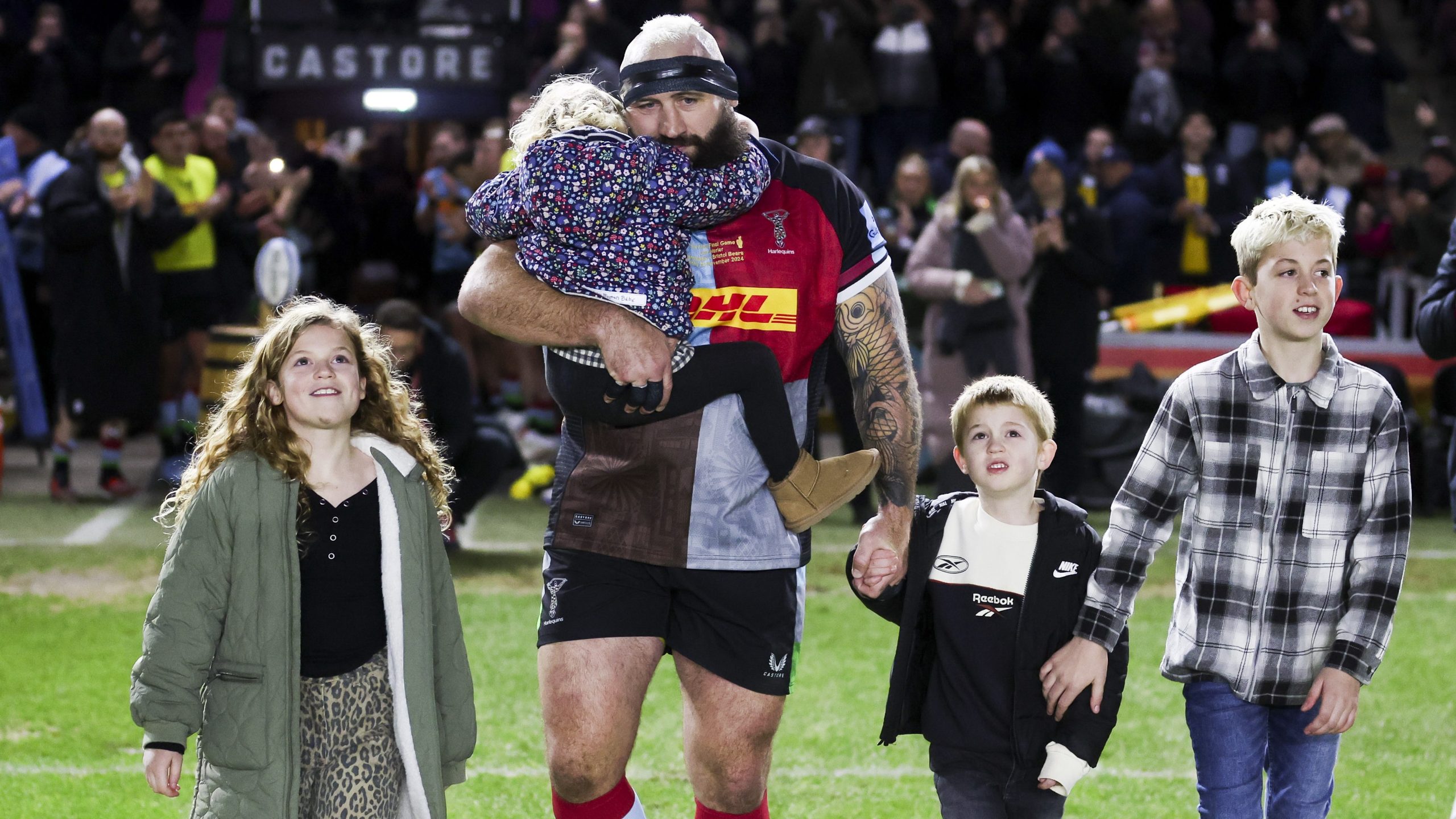
One campaign that stood out for me was the Photography Movement x Harlequins’ ‘Lend an Ear’ movement, which used photography to highlight the typical rugby cauliflower ear of a rugby player like Joe Marler, showing that being there for a mate and simply listening can make a huge difference. You don’t always have to offer advice, and just being there for someone to talk to can have a huge impact.
Are there any other sports that you think rugby can learn from re mental health in the game?
Interestingly, we’ve had a lot of contact from people in other sports, including cricket, hockey, lacrosse, American football, rowing, diving, and many more. While our programme is rooted in rugby, we’ve been able to share our knowledge and support initiatives across other sports because mental health content is transferable.
What is next for LooseHeadz?
We have some super exciting plans! We’ve just hired our first full-time non-founding staff member, Hannah, who has been volunteering with us for a while now. Plus, we’ve got new trustees coming on board in areas where we need more expertise, which is a huge step forward.
We’re entering a Lions Test year, so there are lots of exciting plans in the pipeline as we have become an Official Charity Partner to The Lions.

We’re also about to announce a new 3-step plan that’s going to take LooseHeadz to the next level in terms of connecting with our community, delivering training, and providing crisis support to the rugby world.
I can’t share all the details just yet, but it’s going to be a game-changer!!!
Subscribe to the Sport Industry Daily for regular updates on the biggest stories and latest news in the sport industry