




Women’s Elite Rugby: The US professional landscape
In this article, Jessica Hammond-Graf, President of Women’s Elite Rugby (WER) and Flo Williams, Director of Women’s Sport at MATTA, discuss the WER’s launch, the identity of women’s rugby in the U.S. and its future.
Can you tell us a bit about your career to date and your current role at WER?
Jessica Hammond-Graf: My first career, as I like to say, was leading in NCAA DI College Athletics. When I retired 3 years ago, I was the Deputy Athletic Director at a mid-major institution, overseeing a $13m budget with 15 teams, 350 student-athletes and a staff of 60. After I retired, I transitioned to the academic side of the house and am currently an Assistant Professor in the Sport Management Department at Vermont State University. With WER, I am one of the Co-founders of the league as well as serving as the President.
To those that are not familiar with WER, can you explain what it is?
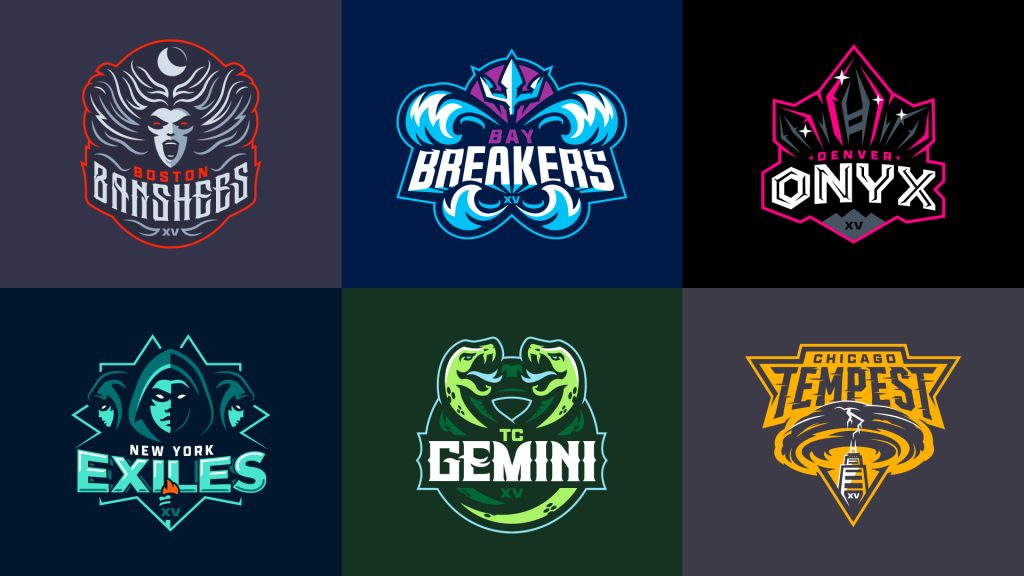
Women’s Elite Rugby is the first professional women’s rugby league in the United States, with 6 teams situated across the country. WER teams are located in New York, NY. , Boston, MA., Chicago, IL., Denver, CO., Minneapolis/St. Paul, MN (Twin Cities), San Francisco, CA (Bay Area). The league is structured as a single entity league, meaning all of the revenues and expenses funnel through the league office and are distributed to the teams – thereby owning all of the teams. The teams will play 10 games over 13 weeks with the season culminating in the Legacy Cup Championship at the end of June.
What were the key motivations behind the WER launch?
After the 2022 season, the Women’s Premier League (WPL) players and leaders held a conference to start the transition toward professionalisation. Since it was a player-lead, pay-to-play model for the last 15 years, the group recognised the opportunity for change and decided to capitalise on the women’s sports trajectory. So our motivation was to create a platform to eliminate the out-of-pocket expenses for players and to create an entertaining rugby product for Americans. We knew we were setting an aggressive timeline, but recognised this opportunity and went all in.
Which other sports and leagues have served as inspiration for the WER?
There are so many leagues that are new to the US professional landscape or are experiencing a surge in their fandom, that there was no shortage of models. The PWHL, was certainly front and centre since the structure of the leagues are similar. We looked to LOVB, and their goal to build up the grassroots teams before adding the professional teams.
Most people don’t realise the depth of rugby in the US and how the current amateur space is full of clubs with 40-50year history, so we want to bring them along with us on the journey and build out the full pipeline of rugby from youth to amateur to professional. Athletes Unlimited has a uniquely player-centred model, which we felt was important since this transition was inspired by the WPL.
With all of the growth with the NWSL and WNBA, it is hard not to keep an eye on what they are doing and how we can adapt their successes to our league.
How big do you think the WER’s potential it is? What are your aims?
Our potential is unlimited. We have the opportunity to harness the global game rugby and create an entertainment product that is uniquely American.
Rugby overseas is steeped in tradition and formality, but with the lack of rugby IQ for most Americans we can create something new and exciting that they have yet to witness.
Our immediate goal is to create an engaging fan experience that leaves fans excited for the next game, regardless of the score.

On the pitch, we aim to elevate the level of competition to push the US rankings globally. With LA28, and both Rugby World Cups in the US in 2031 and 2033, we have an impressive runway to expand the league to at least 12 teams by ‘33, if not more. Not only will we continue to grow American rugby players, but we expect a global interest from international players wanting to join the league. I mean, who wouldn’t want to see Flo in a Banshees jersey in 2026.
What strategies are you implementing to reach these goals, and can these be transferred across to other women’s sports leagues/competitions also striving for growth?
Our strategy is that we can throw out the script. Working in women’s sports gives you the flexibility to look at everything differently and build a league that meets the demands of your sport, your community, and your fanbase. That would be my biggest advice to others interested in growing their league/competition.
How important is WER in the wider context of rugby & women’s sport?
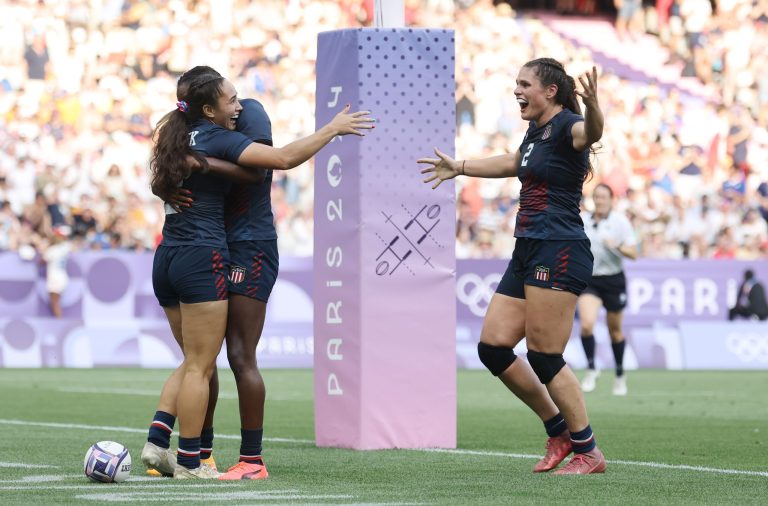
Flo Williams: WER is integral for the growth of rugby globally, the US have the ability to be a major force in the world of rugby, specifically for the women’s game with the prominence of Ilona Maher & a 15s team in the Eagles who have the ability to compete with the world’s best. Broadly in women’s sport, the US is leading the charge with domestic leagues including NWSL & WNBA, & we hope WER will become part of the furniture of an impressive domestic women’s sport landscape.
What were key considerations as a London based agency creating women’s rugby team identities across the US?
As an agency with extensive knowledge of women’s rugby, having worked with Red Roses & built the PWR league identity, we implicitly understand the sport on a deep level. Alongside this, our experience in taking cricket to the US for the T20 Cricket World Cup (part hosted in the US) gave us the insight on how to engage a US audience for a non US traditional sport.

In order to bring authentic understanding of the market, we also conducted interviews with players, fans & coaches from the US rugby system. We leant into confident, vibrant characteristics & geo specific relevancy in order for each team to bring both an authentic rugby feel but also belong within its environment, creating immediate fandom opportunities.
What is the contrast between women’s rugby identities in the US & the UK?
The ability to truly create purpose built identities that solely represent the women’s team, rather than evolving existing properties is a stark contrast to the sports landscape in the UK where domestic sport identities are shared across both men’s & women’s teams. This freedom created a rare opportunity to develop bespoke women’s sports identities which we rarely see in the UK.
How did it feel as a ex international player & working directly with Jessica, also an ex international rugby player to be joining forces to contribute to the future of the sport?
As a female athlete, especially in a sport like rugby, there is often an internal desire to evolve the landscape of your sport to represent women as both players and fans, so to work alongside a fellow athlete gave this project additional importance because I know what it means to do this work and get it right. There is such a clear passion from the team at WER and it has been incredibly inspiring to work alongside them helping them achieve their dreams.
Subscribe to the Sport Industry Daily for regular updates on the biggest stories and latest news in the sport industry