





Ross Garritty on the Matchroom Boxing rebrand
When Matchroom Boxing decided it was time to rebrand 12 months ago, the decision was rooted in a simple truth — and one that not many companies would admit out loud.
“Ultimately, if we’re being honest with ourselves the Matchroom logo is just not that cool,” says Ross Garrity, Chief Marketing Officer. “Previously if we were doing a piece of clothing, we’d be asking ourselves ‘who is wearing this?’”
That quiet acknowledgement became the starting point for something bigger – a reflection on who Matchroom is, what they want to represent, and how they want to connect in a boxing landscape that’s busier, louder, and more crowded than ever.
“I was quite aware that rebrands are quite of the moment, and particularly people getting them wrong, so I was slightly conscious of falling into that trap,” says Garrity speaking in the days ahead of the public launch. “But we’re really pleased with it and we’re excited. It definitely represents a big change for us without going crazy, so we’re excited to show it off and get it live because we’ve got a busy event calendar. When you’ve got a side project happening it’s tricky sometimes to keep the plate spinning and also give this the absolute attention that it deserves and needs to get it into the right place.”
Part of what sparked the process was a deeper understanding of where Matchroom sat in the minds of casual fans. “The first block of work was the work we did with Two Circles, was this kind of research and insights piece. Qualitative stuff with fans and gathering, as much opinion as possible.”
And, despite being one of the most recognised promotional outfits in boxing with a name that carries global weight, according to Garrity, the research showed that “the actual brand mark in the UK, and even further in the US, revealed an opportunity for a stronger recognition.”
That revelation – combined with a shakeup in the combat sports marketplace over the last few years which has seen new players, new platforms, more events – meant that more than ever there was a need to stand out from the crowd.
“One of the reasons that we embarked on the whole project was that it’s in our DNA not to become complacent. We’ve always tried to set standards and conquer first. We were definitely aware how competitive the boxing landscape is right now over the last 18 months, and that’s really positive. But for us, we want to make sure that we don’t just sit around twiddling in our thumbs and not doing anything about it. We want to keep evolving the brand. So, we started to group together creative output from a variety of different promoters, and it’s quite a striking because you start to see that everything looks a little bit the same. There’s been a little bit of an undertone for a while where we just feel that if we do something, a small tweak to a piece of content or an event, eventually everyone seems to do it and then you’ve lost your point of difference. Our research showed there’s danger that we’re all starting look the same in the combat world, in terms of creative output. Not that we want to ignore the core fan, but it just emphasised that there was an opportunity to step in slightly different direction.”
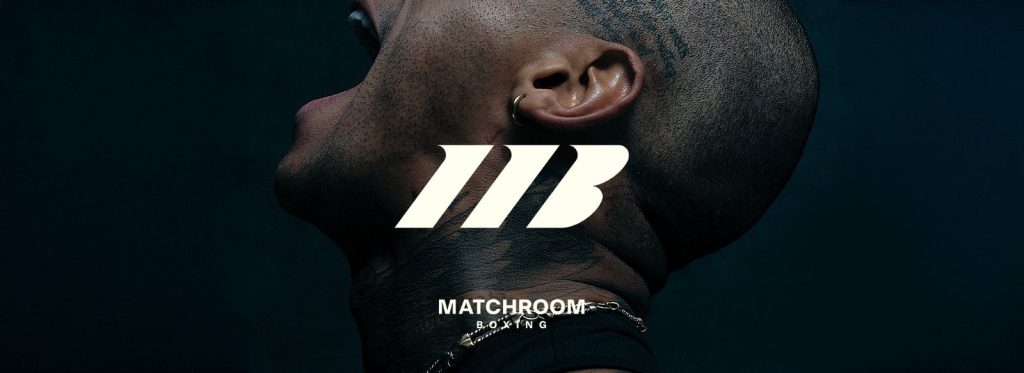
In trying to understand where they fit in, Matchroom looked beyond boxing. “We plotted ourselves on graph with other rightsholders and brands with axes about global reach and disruption. The point was to probably be quite honest with ourselves in terms of where does the brand sit. And I think we want to step in a direction that affords us more global recognition, and that’s maybe just a bit braver.”
What makes a Matchroom event stand apart is a key message behind the refresh — and one already articulated succinctly by one of the promotions biggest stars.
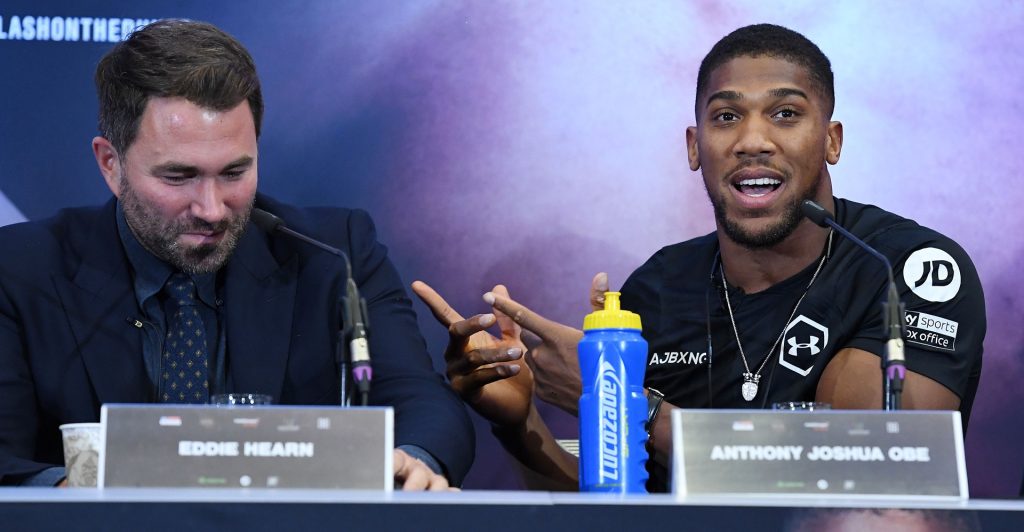
“There’s a really neat sound bite that AJ said in a press conference a couple of years ago, I think it was with Robert Helenius, he said. ‘You know, just a reminder to fans, you’re not coming out to a boxing event on Saturday night, you’re coming to a Matchroom boxing event.’ And I was like, oh, that’s it.”
That quote from the former heavyweight chamopion, in many ways, sums up the goal of the whole project. “This rebrand is a re-education about who and what we are. We’re not a just a transactional boxing business and we recognise that we’re nothing without our fighters, that they come first and that ultimately we’re just trying to elevate boxing and leave our mark on this period of the sport that we’re involved in, to really inspire and motivate people with a brand that they can follow and that seeks to use boxing for good. And one that can connect culturally as well.”
And in a world with more boxing content than ever, Matchroom is now pushing to expand what a promoter does beyond the main event. “Coming back to boxing landscape point, there’s more boxing than ever on all platforms. So, fight night wise, we’re covered, but from a Matchroom point of view, we’re going further outside the ring, whether that’s at a community level, whether that’s how we work with fighters from more of a lifestyle point of view. So, trying to be more than just a boxing promoter. Boxing is often tarred with the wrong brush, which we’re aware of, so it’s really important to emphasise that.”
There is hope that the rebrand does more than just polish the surface. “Well you’re trying to reach new audiences all the time so it’s trying to equip ourselves with the best chance for that. It’s about modernising and kind of meeting a need to become a bit more contemporary, and I think that objective has been achieved. There’s a bit of nuance to it, because what we’re trying to communicate here is we’re the only full service in boxing promotion, from a fighter point of view and a fan point of view.
“It’s a bit of a tricky one to measure, beyond the the general noise that you can read and consume, you’ve got to go with your gut as to whether it’s been a success or not, which actually comes back to some of those other rebrands that we spoke about. I just can’t imagine those key stakeholders close to those projects felt confident in themselves. I don’t think we will be able to ever measure it, but we might look back on this moment and see that it was a catalyst to grow. But also, I don’t want to put too much pressure on it either. There shouldn’t be a line in the sand and a ‘judge us from now’ attitude, but I do think the rebrand gives us a much stronger chance at reaching a bigger audience in this day and age.”
They know the launch won’t be universally loved. But they’re ready for that too. As to whether Garrity will be watching through his fingers, he says, “A little bit, but we know that the critics are probably the loudest voices that you hear and in reality there’s never unanimous opinion where everyone’s saying, ‘you nailed it.
“so I expect to have a little bit of backlash, and we’ll counter that as well with some content that’s designed to show that we don’t really take ourselves too seriously in true Matchroom style. We’re quite relatable people and definitely self-deprecating, so we’ve tried to plan ahead for that, because you spend all this time on a rebrand, which you care about it so much, but ultimately people don’t care as much as you do.”
From this point onwards, fans will start seeing a new Matchroom. But they’ll still recognise the old spirit. “It’s a switchover moment from first of July but we didn’t need to come up with something completely different because actually we do a lot of good stuff and a large part of this process has been a bit about fine tuning. So, whilst straight off the bat, you’ll see some tweaks to the look and feel across digital, social and live events, hopefully it’s not too dramatic.”
“Barry Hearn once said to me, years and years ago, ‘All we really do is work with ordinary people who have extraordinary talent’. And I always felt that was a really punchy line and it says neatly what we do. It also humbles us and heroes our talent because without them we aren’t anything.”
That sentiment will be key to the new brand’s messaging. “That kind of messaging is something that, that will accompany the rebrand and you’ll see it going forward in different formats and place. But we’re quite excited about that introduction because it quite simply and quite tangibly taps into a narrative. Which is what our game’s all about. Promotion is having a rich narrative to play with — people and personalities. So that framework will be an important part of this rebrand as well.”
Subscribe to the Sport Industry Daily for regular updates on the biggest stories and latest news in the sport industry.