



Why sports marketing needs to say goodbye to ‘Sponsorship Tumbleweed’
Laura Randall, Creative Director at Sid Lee Sport
Sport is full of campaigns that roll out, then roll on. Leaving no impact and costing a small fortune. Sid Lee Sports’ Laura Randall explores the real danger in sponsorship activation today.
Even a bad idea gets noticed. But a forgettable idea? It vanishes. Quietly. Expensively.
That’s the real danger in sponsorship today: not controversy, but brand invisibility. Work that fills decks, ticks boxes, launches and then lands…nowhere. Resonating with no one. At Sid Lee Sport, we call it Sponsorship Tumbleweed: campaigns that roll out, then roll on. Leaving no impact.
And the worst part? There’s a tangible cost.
Research from eatbigfish, Peter Field, and testing giant, System1, shows that dull campaigns cost brands at least twice as much in media to achieve the same results as interesting ones.
Forgettable work isn’t just wasted communication, it’s wasted money.

It’s not because the brief was bad. Or the talent unavailable. It’s because the playbook hasn’t changed. Too many campaigns still embody category-wallpaper-thinking.
Safe, overused formats that look like sponsorship but don’t feel like anything. A branded content wasteland.
There’s more money in sponsorship than ever, and more opportunities for fame than ever before. But the full return on that investment is being lost because the ideas just aren’t bold or creative enough to unlock it.
Sadly, we’ve all contributed. We’ve said yes to the expected idea. We’ve helped fill feeds with category wallpaper. But here’s the Sid Lee Sport line: we’re not doing that anymore.
These are the ideas we’ll never pitch again. Not now. Not ever.
Because we know they don’t work. Because we know sponsorship needs more than just visibility.
It needs to have meaning, difference and fame! Here are some of the tired ideas we’re binning for good:
1. The Skills Challenge
It’s cones, a stopwatch and light jogging (at best, due to exertion limitations).
An illusion of interactivity based on the exhausted insight that athletes just love competition and fans just love them “off-duty”.
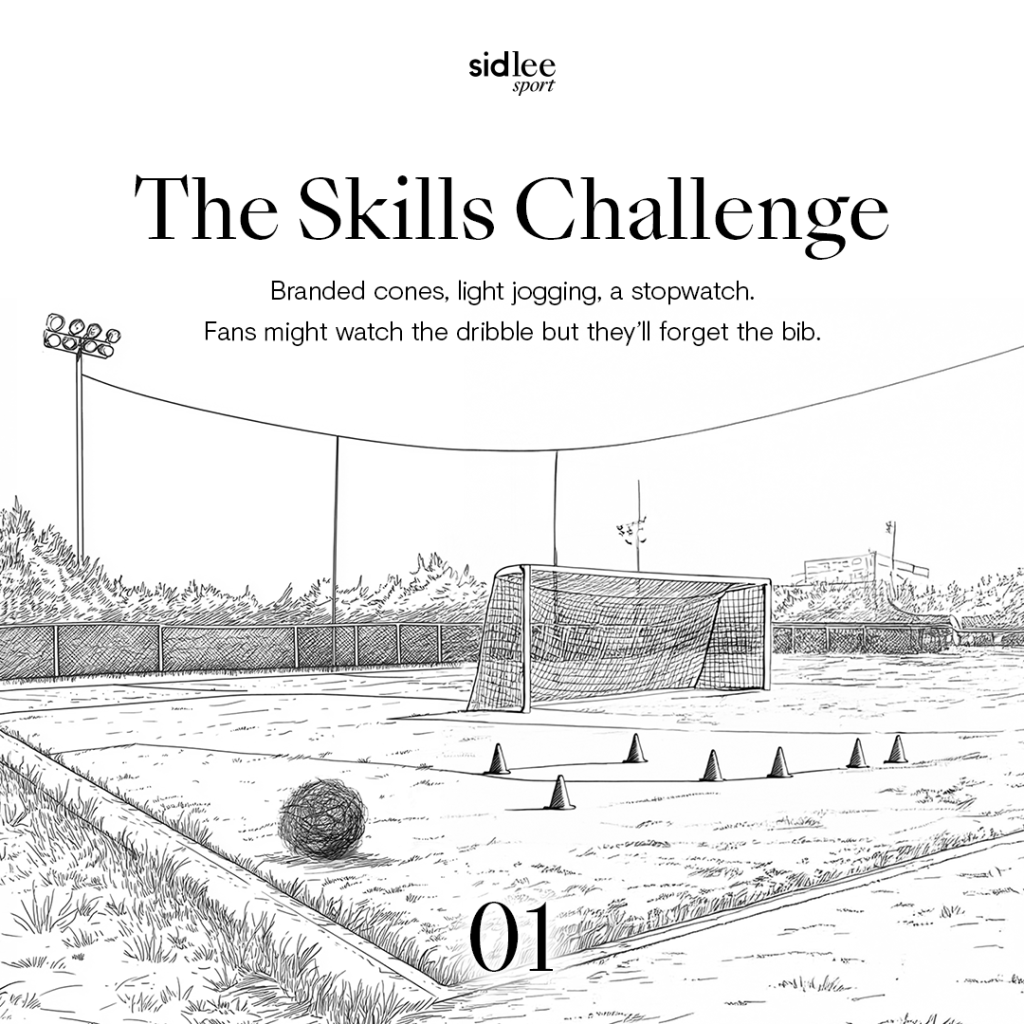
But it’s so seen before, it lands like a PE warm up. Fans might watch the dribble but they’ll forget the brand on the bib.
If we’ve got precious athlete time, let’s use it in ways we’ve never seen before.
2. The Surprise and Delight
Surprise! It’s still not memorable.
We ambush a fan. We film the tears. We hope it goes viral.
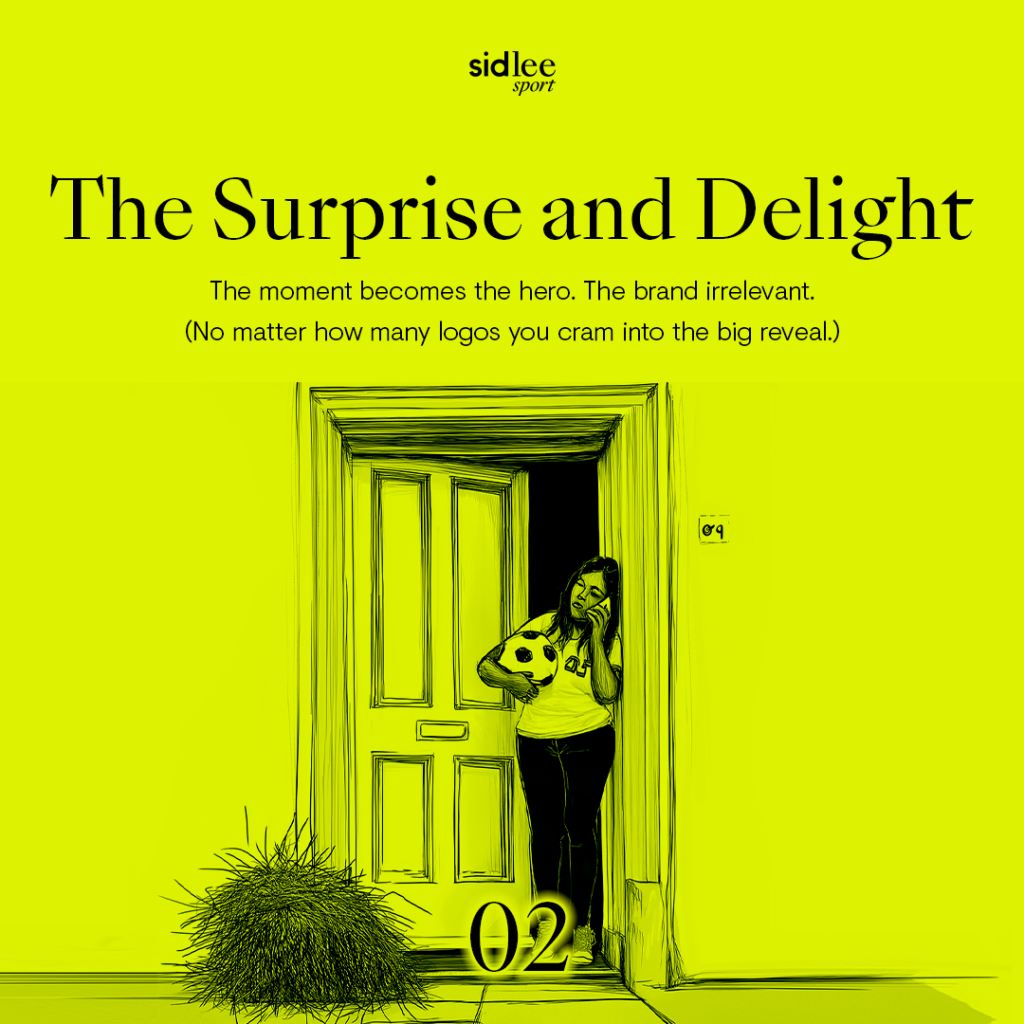
Welcome to advertising in 2012. These stunts are so overdone that fans expect the moment, and forget the brand.
No matter how many logos are plastered on the vending machine during the big reveal.
3. The Carpool
James Corden nailed it. The rest of us will struggle.
Get in a car. Add a GoPro. Cue awkward conversation. This format’s been driven into the ground…literally.
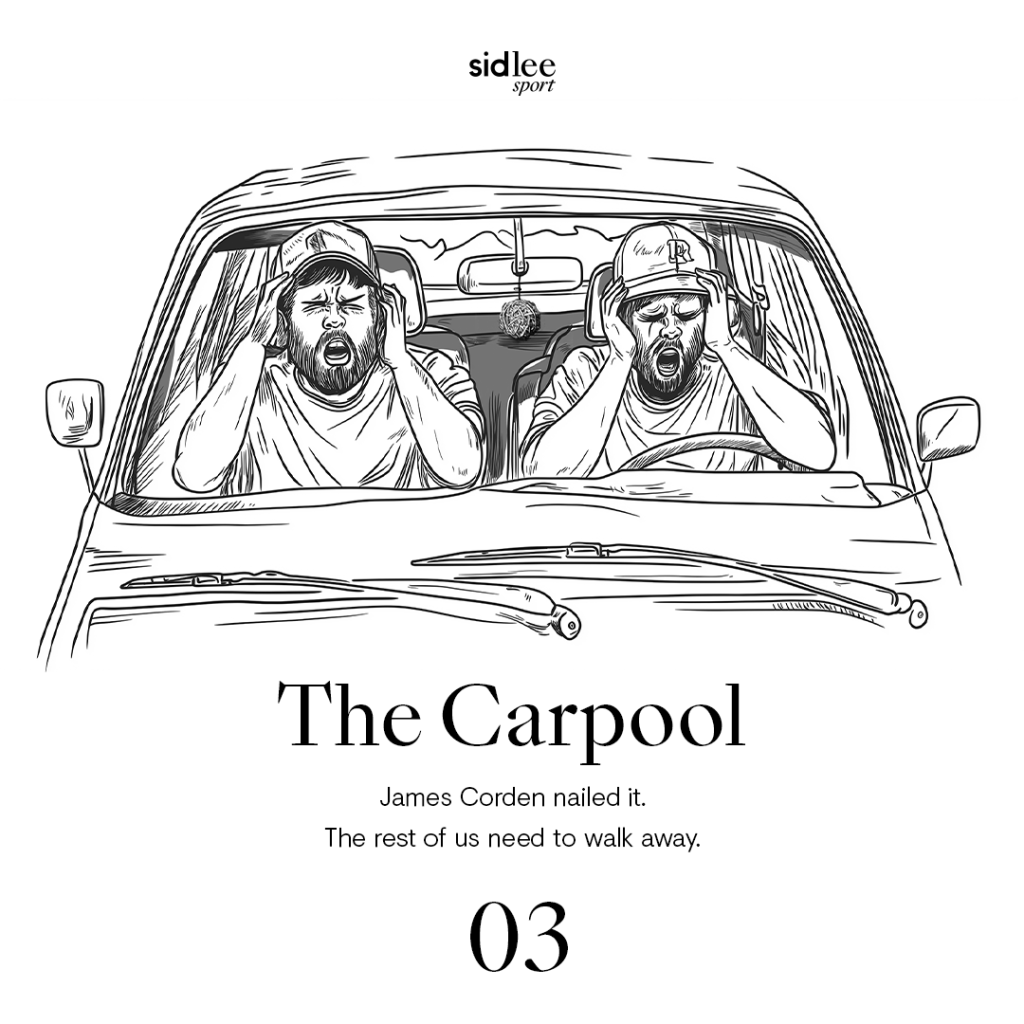
James Corden did it best, with A-listers. When brands try to replicate it, what you get is content without conflict.
No story, no tension, no reason to watch. And definitely no reason to pay an agency to come up with the tired idea.
4. The Emotive Interview
Same questions. Same answers. Same waste of rights.
If an idea boils down to “let’s just get them talking,” it’s not building content, it’s burning budget.
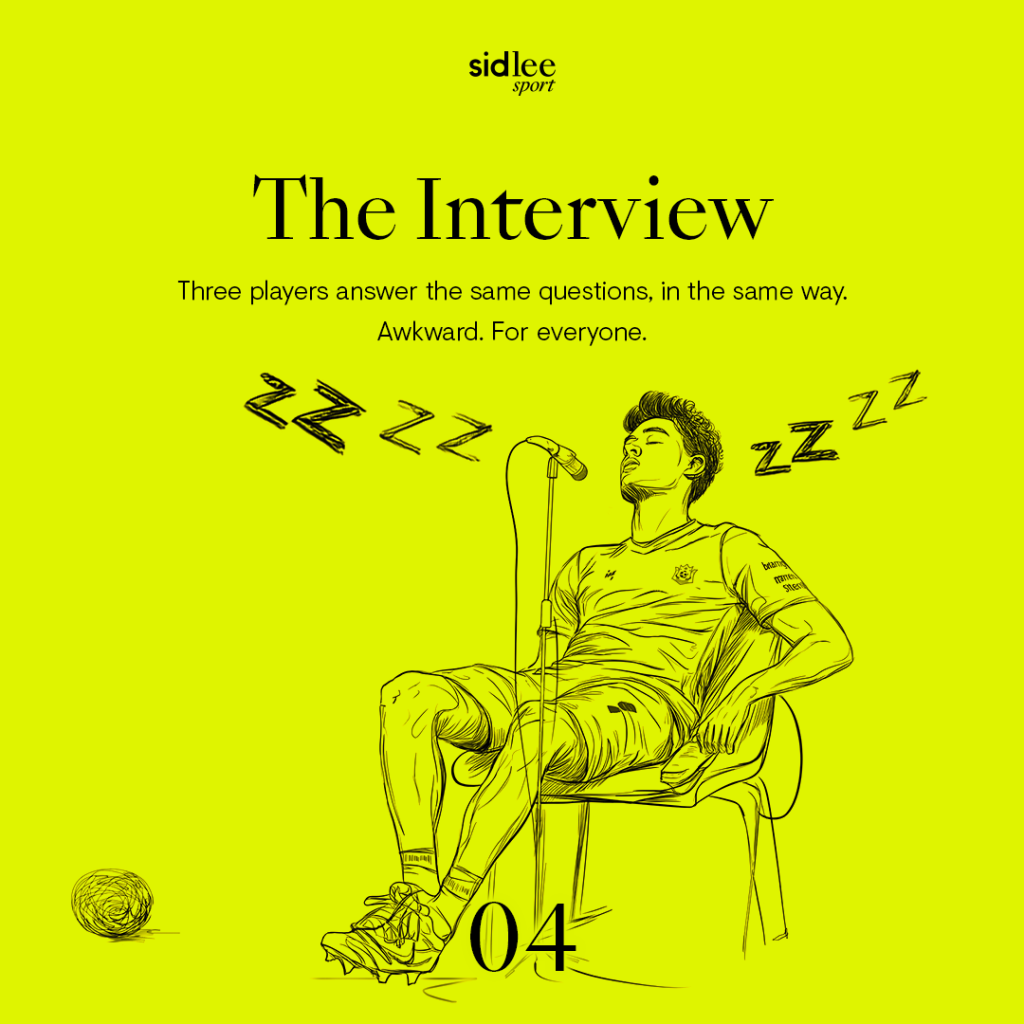
Player interviews can work but not when they’re a checklist of clichés about their career journey. This isn’t insight. It’s airtime.
5. The First PE Coach
It’s the same story every time.
We dig up the athlete’s first PE coach or local legend. Cue misty- eyed nostalgia, a few throwback photos, and that predictable “they always knew there was something special” line.
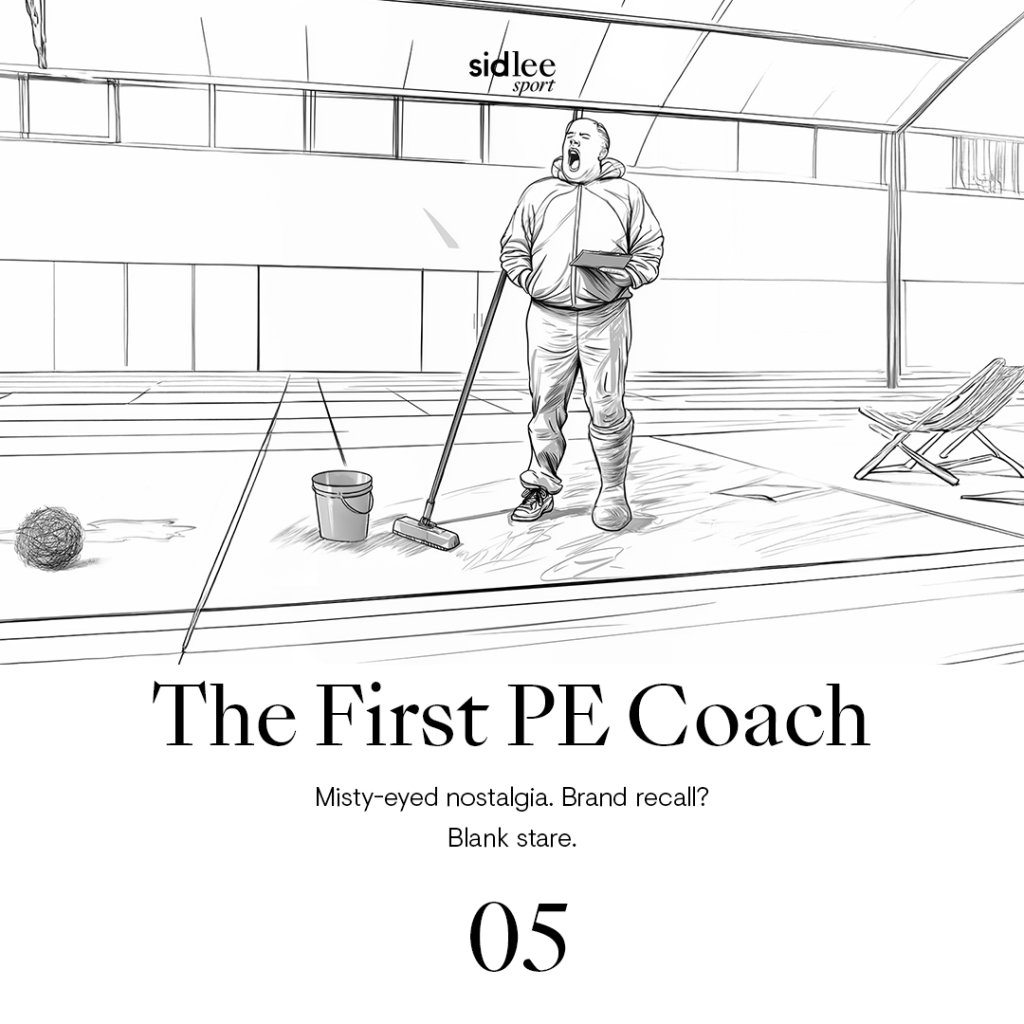
But if the backstory’s been told once, it’s probably been told a hundred times. Sure, fans
may love Mr. Langley, the grinning rugby coach. They just won’t remember who paid for the video.
6. The Spotify Playlist
Curated? More like cut-and-paste.
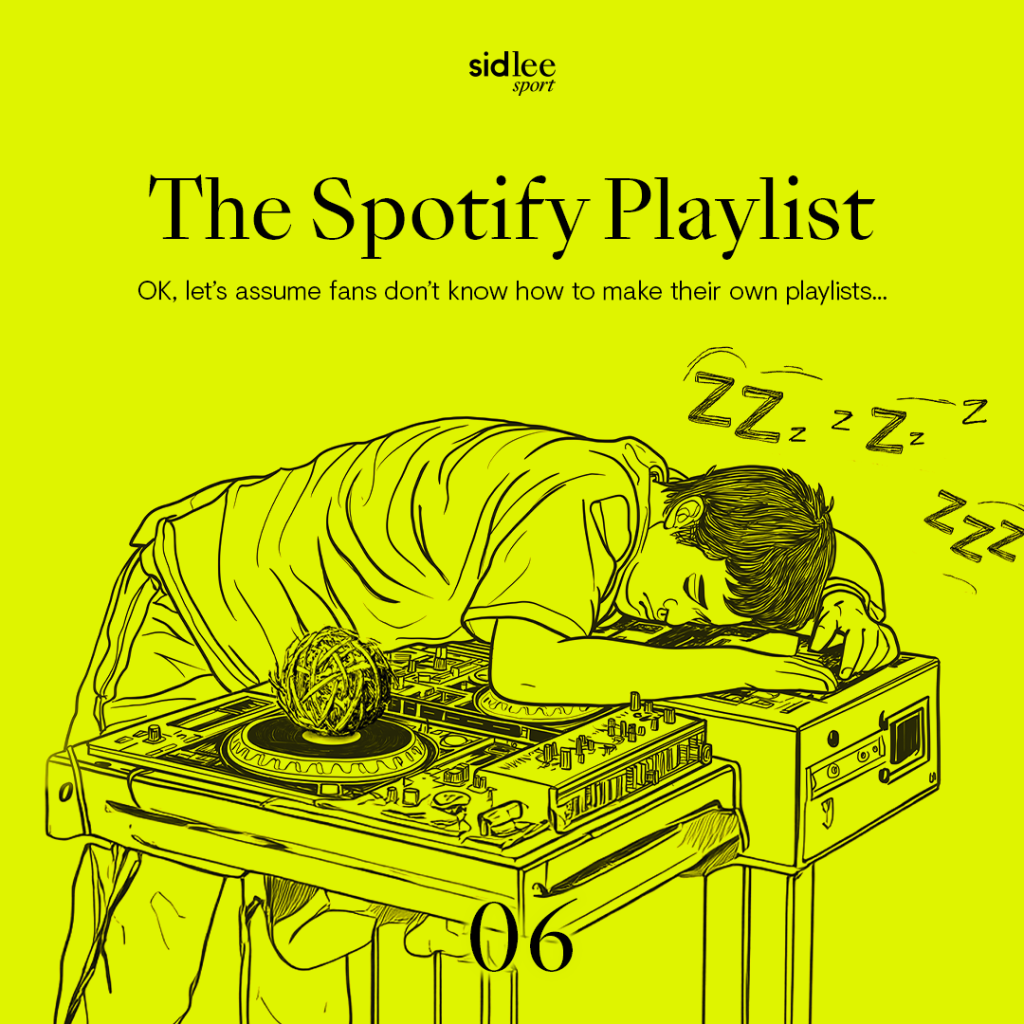
The Spotify Playlist is the sponsorship idea that’s just a collection of tracks no one asked for. Unless your brand has a credible music story, leave it on mute.
7. The FanZone Foosball Table
Saving the classic for last.
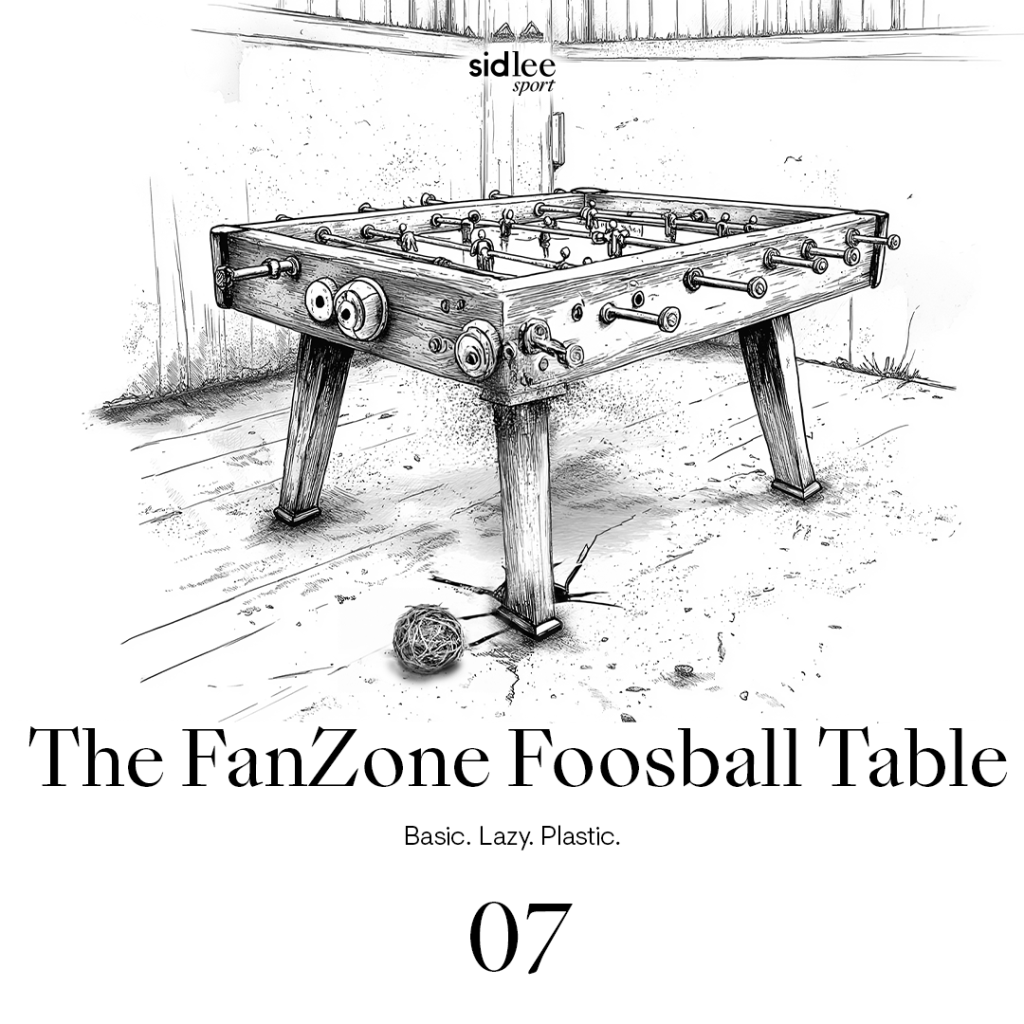
Let’s just call ourselves out on this one. We’ve rolled out this same yawn activation for three clients in the last year. Basic and lazy. Fans deserve better. Brands deserve better. And frankly, so do our creatives. Let’s raise the bar.
Time to stop the tumbleweed
So why is it happening?
We do get it. We’re all working within constraints. Tight budgets limit what’s possible. Rights restrictions add layers of complexity. Clients are cautious, wanting to play it safe. And agencies often turn to familiar formats that feel secure.
We’re not just pointing at the problem. We’re so bored of seeing it that we’re trying to fix it. Truth is, we’ve all been in those meetings. Short timelines, too many stakeholders, not enough room to push.
We’ve all been on set with 40 minutes to film three players. You don’t know who’s turning up until the cars pull up. The agents have a list of dos and don’ts. The rights managers are hovering. You’re scrambling to get the shots, but the players can’t say this, wear that, or even stand too close.
It’s an industry-wide problem. We’ve all played a part. It’s not easy to break the cycle. Skills challenges, player appearances, surprise-and-delight moments, they’re all fine in theory.
The problem is they’ve been used so many times, in the same way, that the brand becomes invisible. Fans see the format, not the brand behind it. It’s time to stop the wallpaper, and to show there’s a smarter, sharper way forward.
Subscribe to the Sport Industry Daily for regular updates on the biggest stories and latest news in the sport industry.