






Opinion: ‘women’s Sport In England – Are We Nearly There Yet?’
As Women’s Sport Week comes to an end, Lauren Babcock, senior brand and strategy manager at MATTA, explores the current landscape of women’s sport and asks if we are close to equality in sport?
This summer certainly has the potential to be a big one on the way to equality in sport. The journey began in earnest back in London 2012, when Team GB fielded 220% more women than ever before. July and August this year sees England women take on the Cricket World Cup, the Rugby World Cup, and the Football Euros. What makes this noteworthy is that unlike our traditionally under-performing male teams at major tournaments, our female national teams have a real shot at success on an international sporting stage. This could be one of the greatest years yet for elite women’s sport.
But the question remains, will many actually care? The media probably don’t think so. In the UK, only 7% of all sports media coverage is dedicated to women’s content, only 2% of national newspaper sports coverage and only 4% of online sports coverage. This has to change.
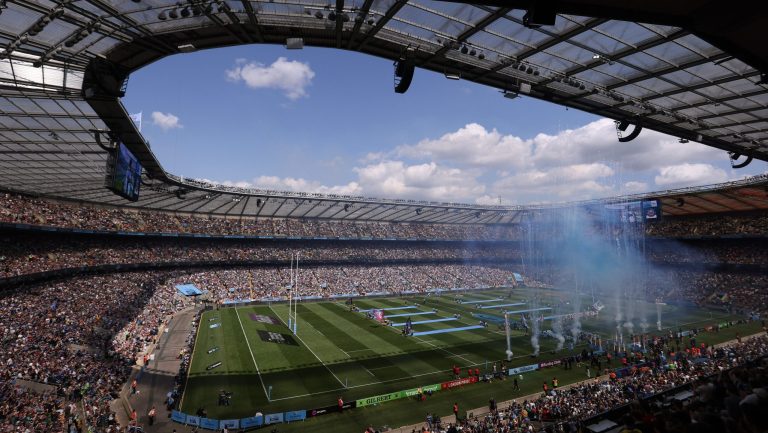
Similarly, while 83% of sports are now rewarding men and women equally, cricket, golf, and football continue to have some of the biggest differences. This summer saw Manchester City beat Birmingham in front of a record-breaking Wembley crowd. They received only £25,000 in prize money. Only a fortnight later, Arsenal beat Chelsea to receive £1.8m at the equivalent men’s FA Cup Final.
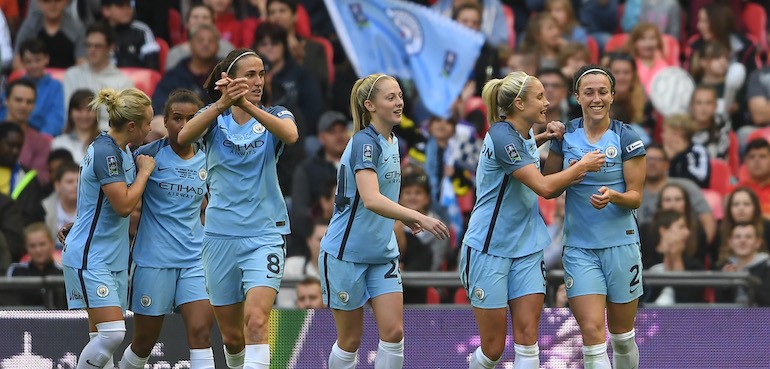
Manchester City beat Birmingham in front of a record breaking crowd at Wembley
While the past few years have certainly seen a shift in the dials of societal acceptance of women’s sport; you need to look only to our successes in Rio to see a host of female athletes holding their own on the international stage. More widely, there has been a seismic shift in attitudes to women and exercise as it moves from being something done to achieve a certain aesthetic, to the way it makes you feel. Despite the success of Sport England’s ‘This Girl Can’, this summer of women’s team sport is in danger of being just a flash in the pan, and ultimately a wasted opportunity, if unaccompanied by an industry wide shift in approach to increase the visibility of female sport at every level.
In the positive column, the number of women playing sport regularly in England has reached an all-time high. 2.8 million more women are now engaging in active lifestyles, largely as a result of Sport England initiatives. Seemingly this is great, but we shouldn’t stop here. The participation gap between men and women still stands at a staggering 1.55 million. Evidently still some road to run.
In communication terms, the tone of women’s advertising in the sector is undoubtedly in the process of moving from a period of strident justification to confident amplification, normalising expectations to inspire the next generation of female athletes. Inclusive participation strategies still though need to be accompanied by presenting young women and girls with role models they can aspire to become, empowering examples of modern women in traditionally male team games. Ultimately women’s sport still needs to be positioned as something very aspirational or we will soon reach a plateau in what can be achieved.
This summer the sporting industry should be fully prepared to leverage the surge of coverage, interest and positivity around women’s teams in order to drive reappraisal and generate new fans and new audiences. The England hockey team won the hearts of the nation in Rio, Sam Quick conquered the jungle on I’m A Celebrity Get Me Out Of Here and hockey participation numbers have grown. A perfect demonstration as to why we shouldn’t underestimate the importance of role models and trail blazers as movers of the societal dial of acceptance. We need to invest in our national teams and our national athletes as marketable brands in their own right. We know that brands that single-mindedly set out to better the human condition in some way, grow faster and foster greater loyalty. If given the investment and coverage they deserve, female athletes will act as the pioneering sources of female empowerment the industry still absolutely needs.
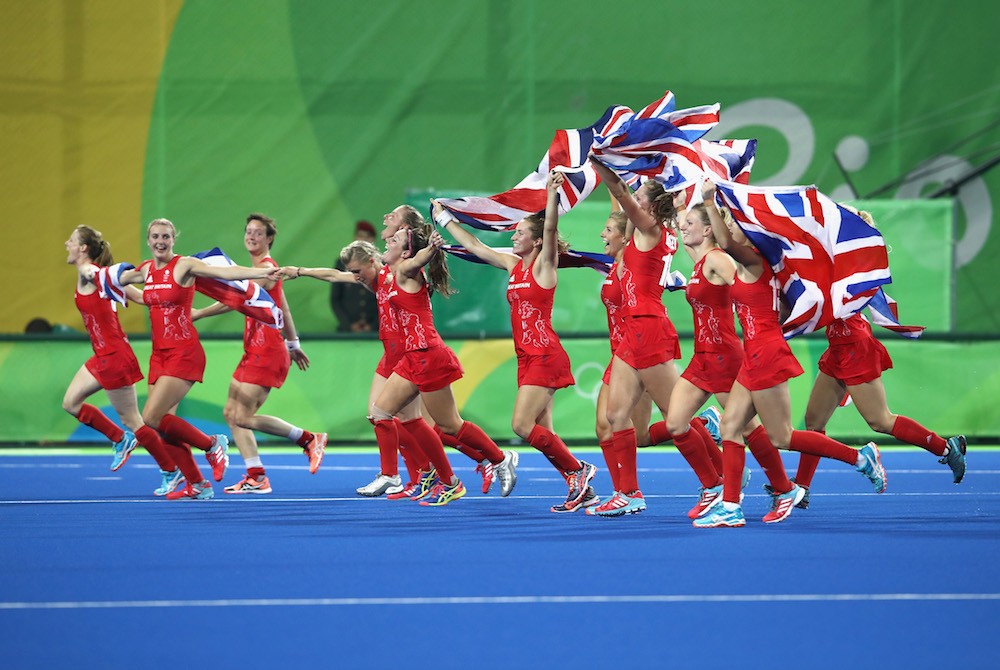
Team GB hockey win gold in Rio
The branding work on the England Football #Lionesses and England Rugby #RedRoses are great examples of what strong brand positioning can achieve as well as the advantages of allowing female national teams in contact sports to stand on their own, without being directly pitted against their male counterparts. After all, in what sport would the national men’s team get qualified by gender. The Red Roses campaign won media initiative of the year at the #BeAGameChanger Awards and was one of the fastest growing films on Facebook in 2016 with over 1 million views generated in the first 24 hours. The Lionesses captured the hearts of the nation in 2015 with an outstanding performance in the Women’s World Cup and saw #Lionesses trending on Twitter and the majority of matches achieving over 2m viewers despite being broadcast mostly during the night. Can they go a step further at the Euros?
This work does however need to be accompanied by significant financial investment and continued visibility. This will drive both the quality of sport on offer by allowing players to turn professional, and inspire more athletes to strive to play at the elite levels by demonstrating the financial viability of an elite sporting career.
You have to look only to Australia where women’s cricket has realised the power of terrestrial TV coverage. Cricket Australia recently announced that a record 300,000 girls are playing the game as the sport has now been presented on free to air TV. Seemingly the land of Crocodile Dundee and Sheila are also focused on their equality thinking too, as they have recently chosen to drop the official women’s team name, Southern Stars, in a bid to not de-mark a difference.
An increase in the availability of women’s sport coverage is needed in order to normalise the suitability of certain sports for girls (like rugby and cricket over this summer’s tournaments). Freely demonstrating the quality of female sport on offer will ultimately attract new audiences to create a virtuous cycle of demand, financial viability and a positive impact on sponsorship due to televised exposure. Hiding these events behind TV paywalls is a big mistake and those in charge need to find alternative ways to bring these events to a broader audience. Channel 4 should be applauded for their take up of the Women’s Football Euros.
A systemic shift in societal attitudes requires systemic action. This summer can safeguard the future of women’s sport by leveraging the success of our women’s teams to campaign for further investment in women’s sport from our government bodies, the introduction of women’s coverage quotas as part of TV rights deals and media coverage. The need to present sport as an exciting opportunity for young women and girls remains. The benefits of sporting activity and team camaraderie should be for everyone and at every level.
So, in answer to the question, women’s sport, are we there yet?
Not quite. But we’re on the way, and we are at least facing the right direction. All aboard.