


Mega Events: The key learnings
Giles Stanford, SVP Major Events, Wasserman Live
The event industry is distinct in that it is both highly collaborative and fiercely competitive. It is filled with innovative, imaginative, and practical individuals. Additionally, the industry presents unique strains and stresses on the teams involved. A key lesson that emerges from organising “mega events” is the importance of protecting, nurturing, and encouraging our people.
Olympic Games, Football World Cups and numerous other world-class events can be considered the pinnacle of the event industry. The teams deployed to manage are the critical component to the eventual success. We understand the complications involved to host an event of this scale but why are the processes getting more and more complicated?
There has to be a simplification in order to encourage people, contractors and suppliers to remain involved. The complexity is now creating an environment that could discourage investment; is it worth the risk ?
Many individuals may wonder whether the experience gained is worth the struggle. In my own experience, the answer is yes. I began my career in the industry when systems were simpler, and a handshake was enough to seal a deal. Today, projects are often much more complicated, driven by various systems that create a constant demand for information. This can be physically exhausting for those who are responsible for managing these tasks.
A supplier might also question whether it is worthwhile. Again, the answer is yes, but only if the risk and reward ratio is fair and balanced. Investors and companies need to understand both profit margins and their capacity for risk. Profit serves as the incentive for everyone involved; if it is removed, there is no reason to participate.
The event industry has gained significant insights from the construction industry regarding program management, cost control, health and safety, and risk management. Mega events function like construction projects with fixed deadlines, which inherently increases their level of risk. To boost productivity, clients must take on some of that risk—an approach that is not unfamiliar within the construction sector.
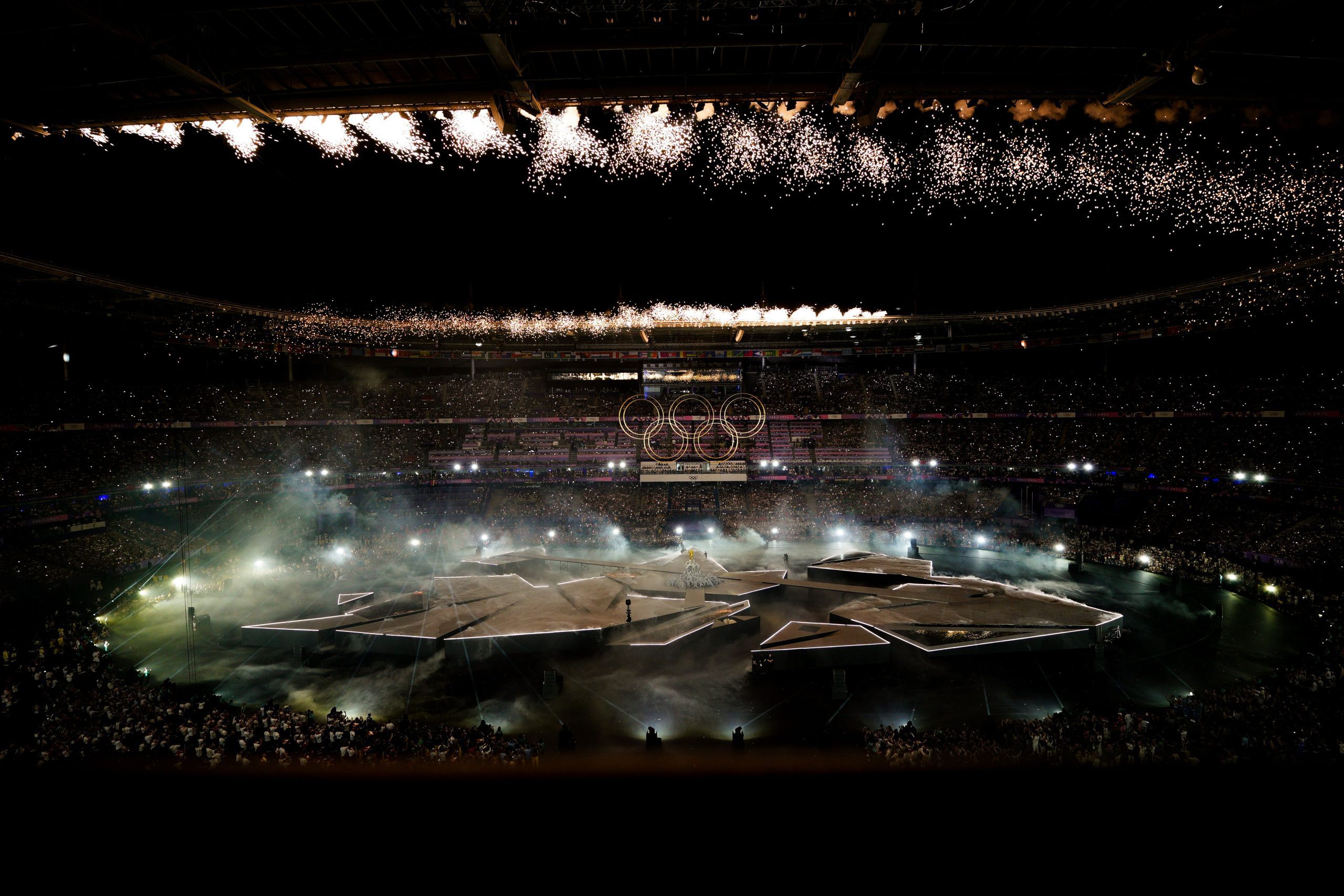
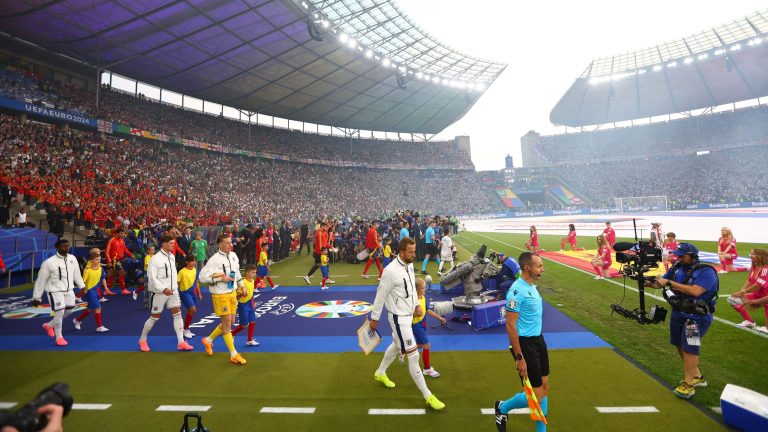
Paris 2024 Olympic Games 11 Aug 2024
Leadership is key, especially in a changing environment. People will always look for guidance and behavioural traits from their leaders, we know the issues will be amplified on projects of this scale. A simplified agreement with an OC would ask all key contractors to demonstrate commitment, trust and team work. We become a “Team of Teams”.
For an Organising Committee this is the enabler to exceptional performance because the OC holds all the risk all of the time – on time, in budget and to quality.
For the suppliers – it allows them to create a competitive advantage for their business – using a Mega Events as a showcase. It also enables a step change in performance (when not having to concentrate on managing financial risk all the time).
For the teams, this means working within a highly effective integrated environment dedicated to achieving milestones. It involves trusting one another and collaborating closely, with the supplier teams and operational staff functioning as a cohesive unit: a symbiotic relationship.
Central to a simplified process has to be a proactive approach to risk management and recognition that transfer of price risk under the traditional model is now unworkable on a project of this scale.
It is essential to create a workable operating environment for contractors. The “enablers” within any organizing committee (OC) should focus on empowering companies to perform their tasks effectively. A genuinely collaborative approach will encourage and reward both individuals and contractors, enabling them to deliver a successful event and take pride in their accomplishments.
There are 3 critical components for all mega events: the athletes, the audience and the contractors. All three are equally important, a fair and balanced approach to the delivery of the event will ensure that all parties remain engaged, happy and ready to do it all again.
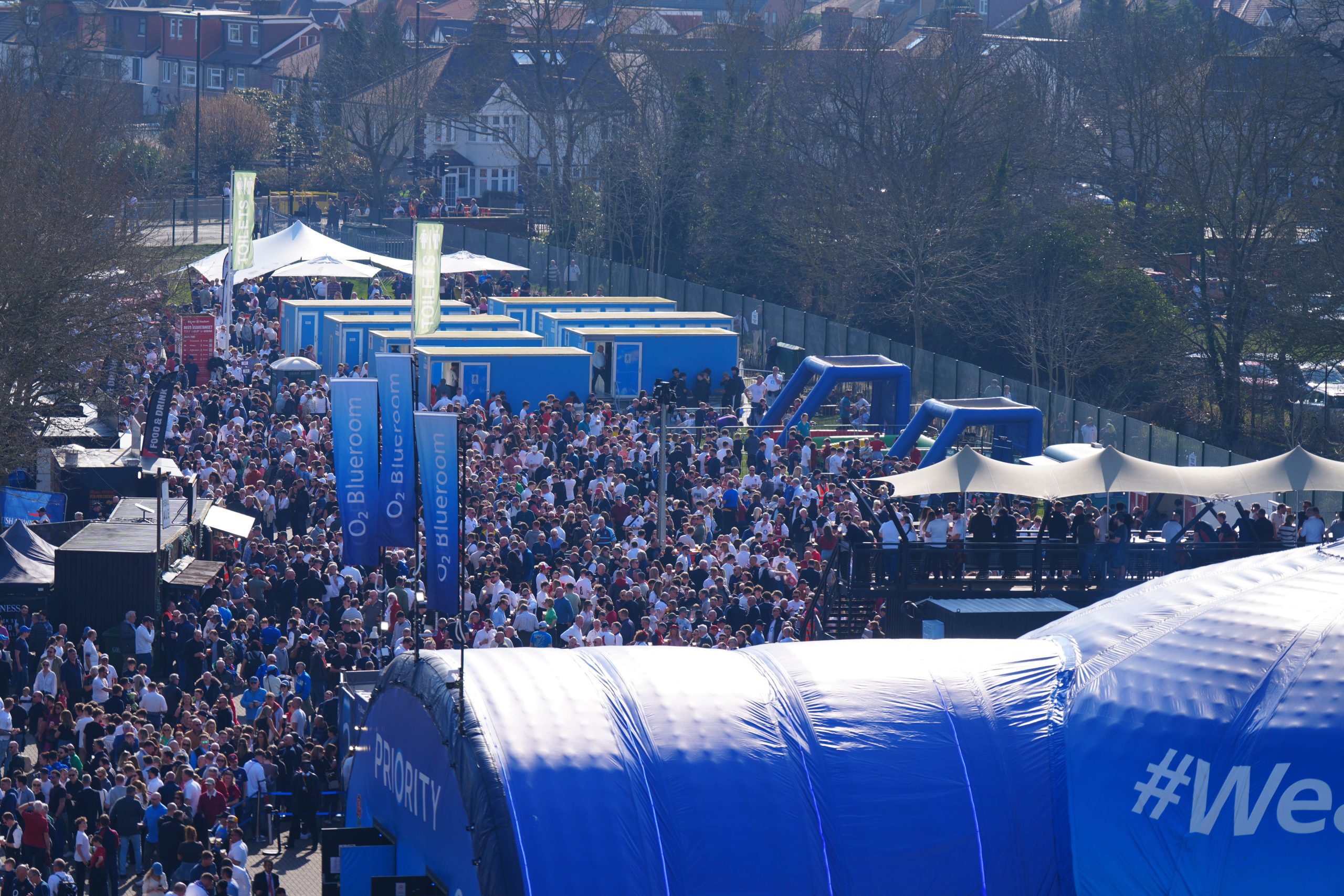
Fans make their way to the match
England v Italy, Guinness Men’s Six Nations Championship, Allianz Stadium 09 Mar 2025
To coin a phrase from Kelly Johnson at the Lockheed Shunk Works circa 1960:
“What is Keep It Simple, Stupid (KISS)? Keep it simple, stupid (KISS) is a design principle which states that designs and/or systems should be as simple as possible. Wherever possible, complexity should be avoided in a system—as simplicity guarantees the greatest levels of user acceptance and interaction”.
Events are fundamentally a human experience, bringing together skills, talents, and emotions. While we can create extraordinary experiences, it’s essential to keep a sense of simplicity and maintain the “human scale” of these gatherings to ensure they remain enjoyable.
Subscribe to the Sport Industry Daily for regular updates on the biggest stories and latest news in the sport industry.