






The Big Interview – Thomas International
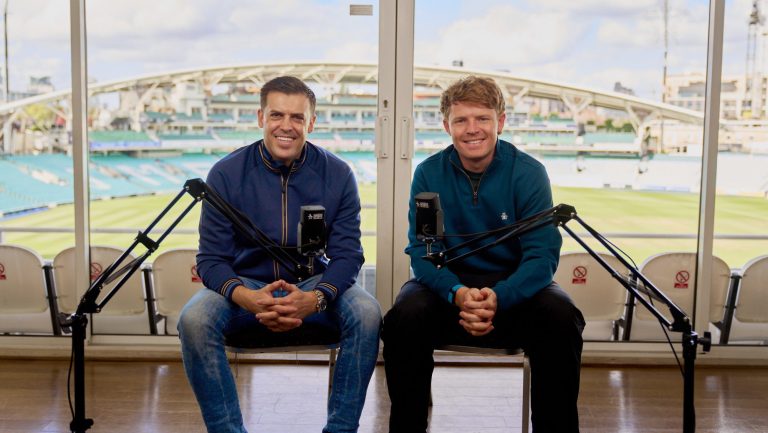
Martin Reed, CEO and chairman of Thomas International, speaks to #CuttingEdgeSport about the importance of psychometric testing and its potential in sport.
What is Thomas international?
Thomas International was started by Thomas Hendrickson and predates the mid-1950s. He worked on the psychology around the emotions of normal people which goes back to 1930, so our behaviour sessions have quite a long pedigree!
In 1981 my father had the opportunity to launch Thomas International in the UK. A psychologist from the States, he found himself in demand at different events talking about Hendrickson’s work. A lot of academics aren’t especially business focused, but my father isn’t your typical academic and he went on to set up the business in 1981 with a business partner. Together they set about redesigning the product, developing it, re-writing it, analysing it and validating it before launching it into the UK. The only tools we had were a behaviour assessment and a job profiling tool. Today we have 12. Even to this day the problem is an awful lot of companies use assessment tools, but don’t debate why they actually use them. One of the things we’ve been trying to do for the past 33 years is educate businesses on the importance of what ‘good business’ looks like as well as what doesn’t look good. We then try to identify the types of behaviour businesses are trying to recruit before the recruitment process begins.
There’s a danger when recruiting people that you think “I will know it when I see it”. When you’re being interviewed and you see someone who has good people skills you automatically start buying into that person and their skills, based on spending just a few minutes with them. That may well work in sales, but if you’re recruiting an accountant or an auditor for example, they may not have the same social skills yet still remain a fantastic candidate.
We work in 60 countries currently but we’re still very much a family business and run the company like a start-up, with a priority on creativity and innovation. Over the last 33 years we have moved from a product based company to one that recognises the need to provide more than one assessment to clients. Looking at behaviour is important, but there are other aspects in how to make people successful and motivate them.
For instance, I would argue academic intelligence is not a true predictor of intelligence, many academics would, but as a business owner I disagree. We have a process that looks at mental power, so how quickly people respond to training – it effectively measures common sense.
What brought you into sport?
One of the reasons we set up the sports arm of the business was to help people understand themselves and modify their performance to full potential.
We believe we can make a huge difference in the sports arena; just look at the change in Sam Billings’ (Kent CC batsman) form. Billings had taken over from someone who had been in his position at the club for 15 years, his predecessor was a high performer who had played for England at the highest level. Billings was coming in with high standards to follow and there were various pressures he was struggling to cope with that had an impact on his performance.
He completed one of our assessments and it told him that he was someone that performs well under structure. With his coach, Simon Willis, he agreed that he would create and follow a meticulous routine with his batting, keeping, warm up and pretty much everything he needed to achieve the target that was to get a championship hundred.
He has now been selected for the England Performance Programme, awarded Player of the Year at the Spitfire Kent Cricket Awards and has become joint winner of the Walter Lawrence Trophy, awarded for the fastest hundred of the season in county cricket; all just five months on from his Thomas assessment.
Now obviously it might not work in all situations, but it is nice to start with a few athletes and have some success stories. Unlike Thomas international, Thomas Sport is a start-up, so we are having fun and already receiving great feedback and seeing the results coming through. We’re working with the likes of Southampton FC Academy, Saracens RFC, Kent CCC and ECB, so it’s been quite a start.
The industry we are in is in its infancy, assessment specifically isn’t being used collectively across businesses, sports, education, but we see an opportunity for it to mature quickly with assessments becoming a key part of developing people and managing the resources companies have based on facts not feelings.
As mentioned, you’ve partnered with teams such as Southampton, Saracens and Kent CCC, but it’s a very individual process. Was this a conscious decision in the strategy to target individuals in the teams rather than individual sports as well?
We work with organisations, managers and employees and it’s the same with sport. We start with someone with a challenge or a problem and we work backwards on how we can help them. Where we can obviously help on performance is at an individual level. We need to start with people who are brave and who are prepared to take a chance and try new things.
I think sport is waking up to what we do, but did we specifically target the individual rather than the team? Not really. I think in business, education and sport, people spend a disproportionate amount of time working on their weaknesses not developing their strengths. The key thing here is to understand your limitations and weaknesses. Sports coaches, psychologists and managers all need to start making people believe in themselves. If people are self-confident they will perform. All the top golfers can all hit the ball 300 yards, hit wedges 160 yards, sink putts, but whether they can do it under pressure is the key.
What do you say to the sceptics of psychometric testing?
I think it’s great to be sceptical, we have had 33 years of negativity, and I have no problem getting into a healthy debate about the use of psychometrics and assessment with people who adopt the common sense approach. What I get frustrated with is the attitude within this academic world, particularly psychologists, who criticise assessments for being imperfect.
What we are trying to do is provide simple, easy and accurate tools at the grassroots level. An academic can say it’s not perfect, but in psychometrics there are no perfect tests, there is no perfect predictor of performance, it simply doesn’t exist. But if we can help guide a mentor, a coach, a manager, to translate those results in the right way, we’re certainly getting there.
For more information on Thomas Sport visit www.thomassport.net