






Opinion: What It Means To Host A Global Tournament
With one year to go until the ICC Cricket World Cup 2019 in England and Wales, managing director of the tournament, Steve Elworthy, reflects on a huge decade for hosting major events in the UK, and what it means to personally help deliver a global tournament…
I have been immensely privileged to be involved in the world of major sporting events for the past 30 years, as a cricket player, fan and sports administrator. Having represented South Africa in Tests, One Day Internationals, the 1998 Commonwealth Games and the 1999 ICC Cricket World Cup, I was then fortunate enough to lead the planning and delivery of major cricketing events including the inaugural ICC World Twenty20 tournament in 2007, and the ICC Women’s World Cup in 2017. As a fan, I have passionately enjoyed the last decade of British sport, and admired athletes’ achievements at the London 2012 Olympic and Paralympic Games, the 2015 Rugby World Cup, and the 2017 IAAF Athletics World Championships in London. It truly has been a fantastic decade for major sporting events in this country.
Next year will mark my tenth anniversary of events delivery, as I am leading a hugely talented team to stage the ICC Cricket World Cup in 2019. People often ask me what it means to host a global tournament; why do I keep coming back for more?! For me, there are so many amazing opportunities and possibilities offered by major sporting events. The benefits for a host nation have been well-rehearsed; whatever your views about event legacy, there is no doubt that major sporting events can offer the potential to inspire a nation, deliver significant tourism, regeneration and economic benefits, and really place a host city or nation on the map.
Despite all of this, it is the positive outcomes for a sport itself that truly motivate me. Major sporting events offer three significant benefits to a sport.
Firstly, there is the opportunity to achieve a step change in operational event delivery, and to welcome individuals and volunteers with skills and experience from a range of other events, sectors and nationalities. Such a broadening of horizons and thinking can only ultimately enhance the experience for the fan, spectator and athlete alike, and create positive outcomes for the sport itself. Within my own sport of cricket, the world of major events has moved on tremendously since the last ICC Cricket World Cup was staged in England and Wales, back in 1999. It is now extremely exciting to see how these changes are being reflected in the planning and delivery of the next year’s ICC Cricket World Cup in England & Wales.
Secondly, a major sporting event can inspire participating competitors to ever-greater levels of achievement and excellence, as players reach their peak of skills and performance, and look to exceed past achievements. This in turn excites and enthuses fans and new spectators alike; the opportunity to connect with new audiences while refreshing the interest of existing fans is without doubt the third significant opportunity presented by major sporting events. Nothing stimulates a national conversation more than a successful home nation performance at a home event, which in turn can reinvigorate, or in some cases launch a sport into the national consciousness, inspiring new young fans and creating the next generation of athletes and competitors.
For me, nothing better sums up the potential seismic impact of a major event upon a sport than the ICC Women’s World Cup, held in England in 2017. The final of this event memorably culminated in victory for England, in front of a passionate sell-out crowd of 26,000 at Lord’s. Viewing figures showed that a record 1.1 million people tuned in to watch England’s victory, more than the number that watch an average Premier League football game. No women’s cricket match in this country has attracted a bigger audience.
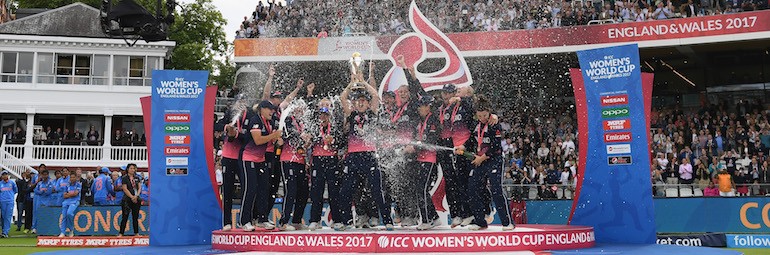
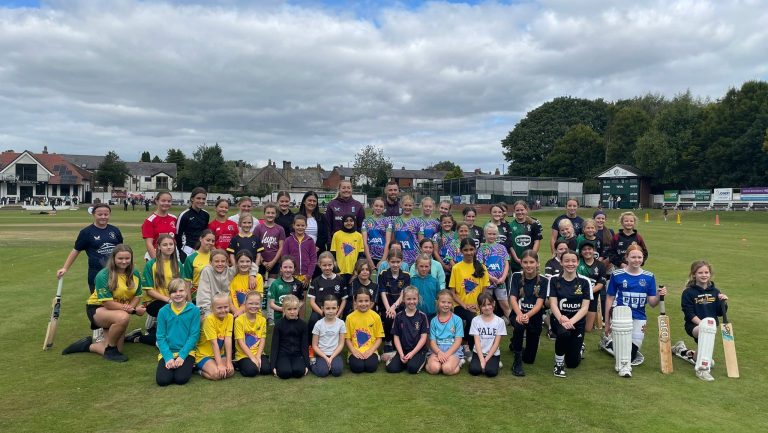
This tournament truly was a step-change for women’s cricket, and will lay the foundations for success in the sport for years to come. 65% of tournament ticket-buyers were new to cricket, and 32% of attendees were children; the highest percentage ever achieved for a cricket tournament in this country. 80,000 people attended the event, of which 45% were female, with a further 30,000 visiting the tournament’s vibrant fan parks. Former England cricket captain and respected commentator Nasser Hussain wrote: “I took my 11-year-old daughter to the final, and she suddenly thinks it’s cool to be a cricketer. Why not, when you’ve got 26,000 fans screaming on both teams and a finish that you’ll remember for the rest of your life? Women’s cricket is now a brand in its own right. And that, for our sport, is a huge cause for celebration.”
There is therefore no doubt in my mind that major sporting events, like the ICC Cricket World Cup next year, can create hugely positive legacies, and I am truly honoured to be playing a small part in creating those opportunities for future generations of athletes and sports fans.