





The Industry Column – 1st July
Chris Baldwin, head of marketing at Mando, asks why brands don’t make more of the commercial opportunities in golf…
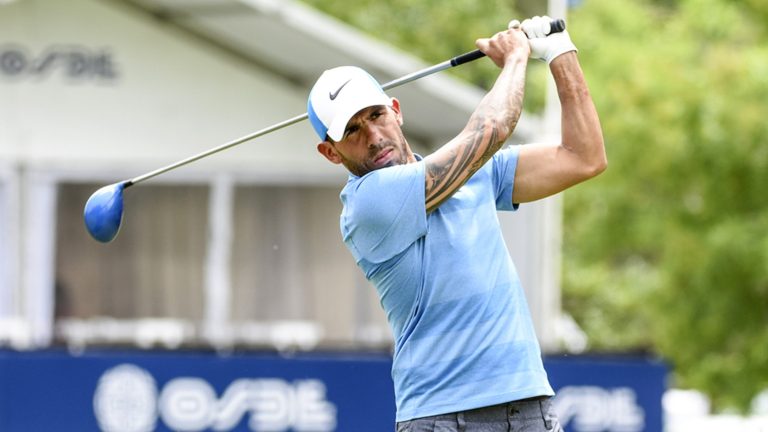
With around 50 million registered golfers worldwide and an estimated additional 20 million playing on a casual basis, golf is one of Britain’s most participated-in sports.
From a brand perspective, the sport offers major attractions as it is synonymous with business, and golfers are typically high net worth individuals from A, B and C1 social demographic groups with high levels of disposable income. It also offers a targeted audience, with 12% of the adult population in the UK – 5.8 million people – playing golf and of those 59% – 3.4 million – playing regularly. Approximately 85% of UK golfers are male and 70% are married. In terms of age ranges, around half of UK golfers fall into the 25-44 group, with approximately 40% falling between 45 and 64.
It’s this accurate, high value demographic targeting that makes golf stand out from other sports for brands. Many of the brands already involved in golf reflect this demographic such as BMW and Saab, IMG and Friends Provident, and luxury brands like Omega.
However, beyond headline sponsorship, a range of promotional mechanics exist through which brands can ally themselves with the sport, the most commonly used include “hole in one” challenges, performance-based campaigns and giveaways.
With “hole in one” activities, prizes such as cash, holidays or cars are offered for people achieving a hole in one on a specific hole on a course. These can either be done on the main professional circuit or at more localised club-based or corporate golfing events. The promotional mechanic for this is a simple one and there are a number of companies offering specific promotional cover against the risk for these activities.
Meanwhile, performance-based promotions offer some of the more exciting opportunities for brands and are based around where players finish within individual tournaments. There are more complex risks involved in these types of promotion, with consumer participation levels combining with sporting risks to produce a multi layered risk. So involving a specialist promotional risk company is essential.
A case in point is the promotion Callaway Golf Europe ran around Phil Mickelson’s performance in The 2010 Open championship. The promotion offered consumers purchasing a specific Callaway driver between 21 June 2010 and 14 July 2010 a scratch card at the point of purchase (or delivered with the product in the case of an online order). Each card had a unique reference number (URN) which the holder could register online throughout the period of the promotion.
Were Mickelson to win The Open, any consumer who had correctly registered their details would then be entitled to claim a full refund of the purchase price of their driver by mailing in their original purchase receipt and original scratch card.
In calculating the risk we took into account redemption from the previous two years in which the campaign ran, as well as Mickelson’s current form and that of those around him. Mickelson went into the competition one of the favourites with high expectations.
By running a promotion guaranteeing the consumer a high-value refund on top of this, Callaway created a compound risk. First there was the redemption risk, which is the number of people taking up the offer and registering for a refund. Second there is the sporting risk, based on the chance of Mickelson winning the event and so controlling whether a refund would be issued at all. Callaway took a Fixed Fee cover for the promotion, because of its unique ability to combine the layered nature of the risk.
One important factor that brands looking to run promotional marketing activities within this game, need to be aware of is a very different retail set up. While there are a number of large dedicated golf superstores such as Nevada Bob’s, the majority of golf-related purchases are done through clubs’ own on-site pro shops.
Although part of a golf pro’s training is in retail, many still won’t have the expertise that brands are used to when working with other sports shops, particularly when it comes to understanding the power of point of sale material. This makes golf a unique environment to trade in, as what is stocked in a golf pro shop is very much down to the particular pro’s own taste and what they think they can sell. So engaging with the golf pro themselves is essential for anyone looking to gain a foothold in this environment.
For brands wanting to take advantage of the golf audience there is plenty of promotional opportunity aside from sponsorship that can generate both sales and exposure within this lucrative market, they just need to understand the risks and complexities involved.