






The Industry Column – 21st October
Jonathan McCallum, head of sponsorship at OgilvyAction, explains why British football has become such a desirable vehicle for betting and gaming brands.
The Premier League has a gambling addiction. Betfair became the latest online betting firm to cement its association with England’s top flight teams last month when it signed a six-figure deal to be TalkSport’s exclusive betting partner for the radio station’s weekend Premier League coverage.
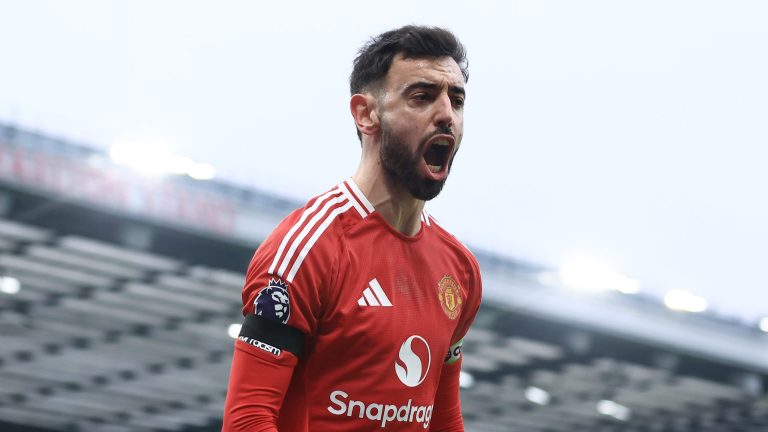
TalkSport joins ESPN and all 20 Premier League teams in agreeing lucrative contracts with online gambling companies. Each Premiership team has an ‘official betting partner’, and six of them have the names of web-based betting firms on their shirts.
The Talksport and ESPN contracts, as well as a deal to be Manchester United’s official betting partner, represent Betfair’s first foray into the football market in six years. So why has it returned?
The short answer is that the online gaming and gambling has become super-competitive. Betting companies are spending on similar properties to establish a foothold in the football betting market. According to UTV Pitch, the sales house that brokered the deal, TalkSport provides Betfair with “a credible and interactive platform” to reach men who like a flutter on football.
The reason the market has become so competitive goes back to 2006 and the introduction of the Unlawful Internet Gambling Enforcement Act in the US, which prevented US citizens playing internet poker and gambling online. Without the act, the online gaming industry would have been a poker-driven market focused largely on the US.
However, since the US ban it is clear that football and the English Premier League in particular – with clubs full of recognisable, marketable playing assets – has the biggest global appeal, and is especially popular in Asia.
The Asian market alone represents millions of Premier League fans who can access the internet while watching live Premiership football. Tottenham’s shirt sponsor Mansion.com, for example, has its brand name in Mandarin script on the club’s away and third kits, as well as on billboard hoardings around the stadium, to tap into the Chinese market.
Add to this the hardcore following of British supporters, and sponsoring a top-tier club or broadcast coverage of the league can help betting companies build brand awareness more efficiently than any ad campaign.
Signing with a club is also a way of establishing customer loyalty in a market where there is a lack of it. Online gamblers might find themselves with several accounts from different brands because they were tempted by whichever sign-up offer snared them at the time.
Club sponsorship provides a direct route to generate revenue from clubs’ fan bases by, for example, providing links on club websites and broadcasting in-game odds from digital perimeter advertising boards while matches are being played.
This means online gambling firms can measure what matters – the number of fans who click through to their homepage from club websites, for example, and the number who then place a bet. In-game betting also provides a very measurable way of calculating return on investment – how many punters bet on live Premier League games while they are being played? And does this figure differ depending on whether a club has shirt sponsorship?
Sponsoring one club will not reach everyone, which is why 188Bet, for example, is building a portfolio of teams to extend its reach. By sponsoring Aston Villa, Bolton, Chelsea and Wigan, its logo will feature on shirts and in stadiums almost four times more than it would had the company sponsored only one side.
We have seen trends like this before, with mobile phone network providers pumping money into football. However, the online betting industry has identified football sponsorship as the most effective means to infiltrate and grow its core market.
Wolves’ shirt sponsor Sportingbet, for example, says football accounts for 65% of its sports betting business, with more than 42m plays coming from around the world each year. The two markets share a huge crossover demographic of customers – people who watch football like to bet on football.
Football is the main gateway product to other betting and gaming products. People start off with football because it is familiar. Then, when they understand the environment more, they get involved with other online gaming products, such as poker.
Odds are that online gambling sponsorship is in the game for the long term.