






The Industry Column – 24 January
Sponsorship has long been derided for its lack of accountability.
Simon White, marketing and business development director at Momentum, argues
that the tools are available to lay this ghost to rest.
“Barely a week goes by without a major brand signing a colossal sponsorship
deal, be it arts, charity or, more often than not, sports.
Arsenal’s £100 million sponsorship with Emirates, Chelsea’s £55 million deal
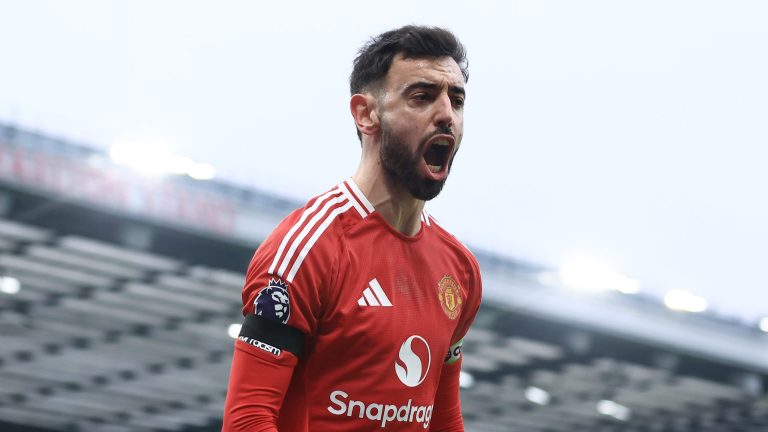
with Samsung and Man Utd’s £56 million deal with AIG all help contribute to UK
plcs’ sports sponsorship industry being worth £1 billion annually.
Despite the huge sums involved, a recent study shows that 75 per cent of
brands invest less than 1% of their sponsorship rights-fee in return on
investment (ROI) modelling.
In fact, ROI modelling is such an afterthought that you get the feeling
sponsors will pull any figure out of the hat to justify involvement (nearly
always after the deal is signed). This situation is not helped by a number of
rights holders who continue to provide wildly inconsistent data sets. It’s not
so much clutching at straws as importing a barn full of hay.
Tenuous claims associated with sponsorship signify lazy and incompetent
business practice. By not evaluating and measuring their sponsorship
effectively, brands are witnessing a massive erosion in spend that otherwise
could be put to much better use. Our industry is haemorrhaging money. On
current form, more Andrei Shevchenko than Thierry Henry.
So how can brand owners effectively plan and measure their sponsorship in a
way that maximises every single resource allocated?
We need to get brand planning a seat at the top table. Stakeholders must be
aligned. We need brands to integrate their sales data into the model. We are all
familiar with the well worn principals of 360 degree activation but what about
360 degree evaluation?
The good news is many of the tools used to evaluate the brand and business
impact of sponsorship leverage (or indeed any other marketing investment) are
available – we just need to make the connection and, if we’re having a really
good day, at a time that influences rights acquisition (not the relatively
common retro fit).
We all need to take this seriously. The UK’s financial directors are walking
the corridors looking for reasons not to burn marketers and their plans at the
stake. They are demanding a real and tangible link between marketing investment
and impact on the bottom line.
Are you ready for that meeting?”