






The Industry Column – Innovate Or Deteriorate
‘Innovate or deteriorate: a call to action for sport’
By Antony Marcou, Group Managing Director, Sports Revolution.
The pace of technological change in all areas of business is relentless. If you don’t adapt to change fast enough, or fail to embrace the new opportunities that technology offers, or, even worse, neglect to recognise when your competitors do, you will soon be left behind.
You may think this is more applicable to the likes of Apple, Samsung or Google, but it is equally true for the world of sport. Social media and sport have come together like a force of nature, driving the market forwards at a pace that demands constant innovation and reinvention.
Technology is also unlocking the global power of fanship. We all know that our biggest Premier League clubs have huge international followings, but social media is rocket-fuelling this development to the point that fanship no longer knows any geographical limits.
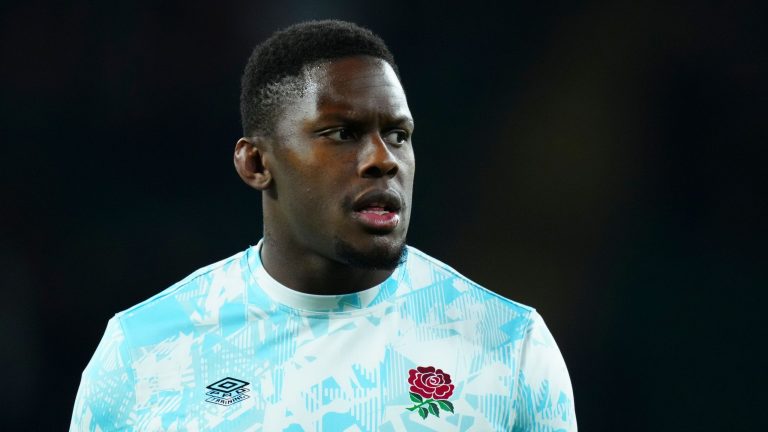
Unlocking the value of, and engaging with, these vast and far-flung audiences is a challenge sports rights holders must rise to. Through our work with the Rugby Football Union, I heard Nick Shaw, Head of Digital, capture the dynamic of the moment nicely, when he said:
‘We need to behave more like a creative agency and be the experts on how to engage our fan base, not just how many of them there are’.
The task is complicated by the fact that rights holders can no longer rely on their ‘official’ status to guarantee engagement with their fans. Unofficial fan bases enjoy numbers that far exceed those of their official counterparts. Raw, rough and ready fan-hubs, often run by the sports industry’s answer to the bedroom DJ, are rampant.
But ‘official’ and ‘exclusive access’ remain a potent force that federations, associations and clubs can harness to compete with this new breed of social renegades. They just need to find ways to package these in more creative ways and realise they can work with rather than against the unofficial counterparts.
As Nick Shaw suggests, it comes down to rights holders thinking of themselves in a radically different way. They no longer just have a local fanbase to talk to – they now have an international audience to entertain.
So where does this race to innovate leave ‘traditional’ media? In my view, the increasing desire for engagement does not supersede or cannibalise the more traditional desire for mass media exposure – in fact the opposite. New fan engagement initiatives, platforms and tools require promotion. Indeed social media breathes new life and value into traditional media as an efficient route to targeted scale and critical mass.
If you can get it right, it’s the best of both worlds.
Antony Marcou will be taking part in the London Business School Sports Conference debate on cross-border fan engagement on 15 May 2013.